Have you ever thought about having solar panels at home? Experts have just warned that we could be facing their end, and not because they have been banned, as happened in Italy, but because a new invention has arrived that works both day and night, whether it is cloudy or sunny. It is a flower that generates its own energy and that you can put in your garden. Can you imagine having free electricity 365 days a year? That’s the proposal, and we think it’s so promising that we’re going to share it with you.
These tulips generate free electricity at home. The enigmatic flower that beats solar panels
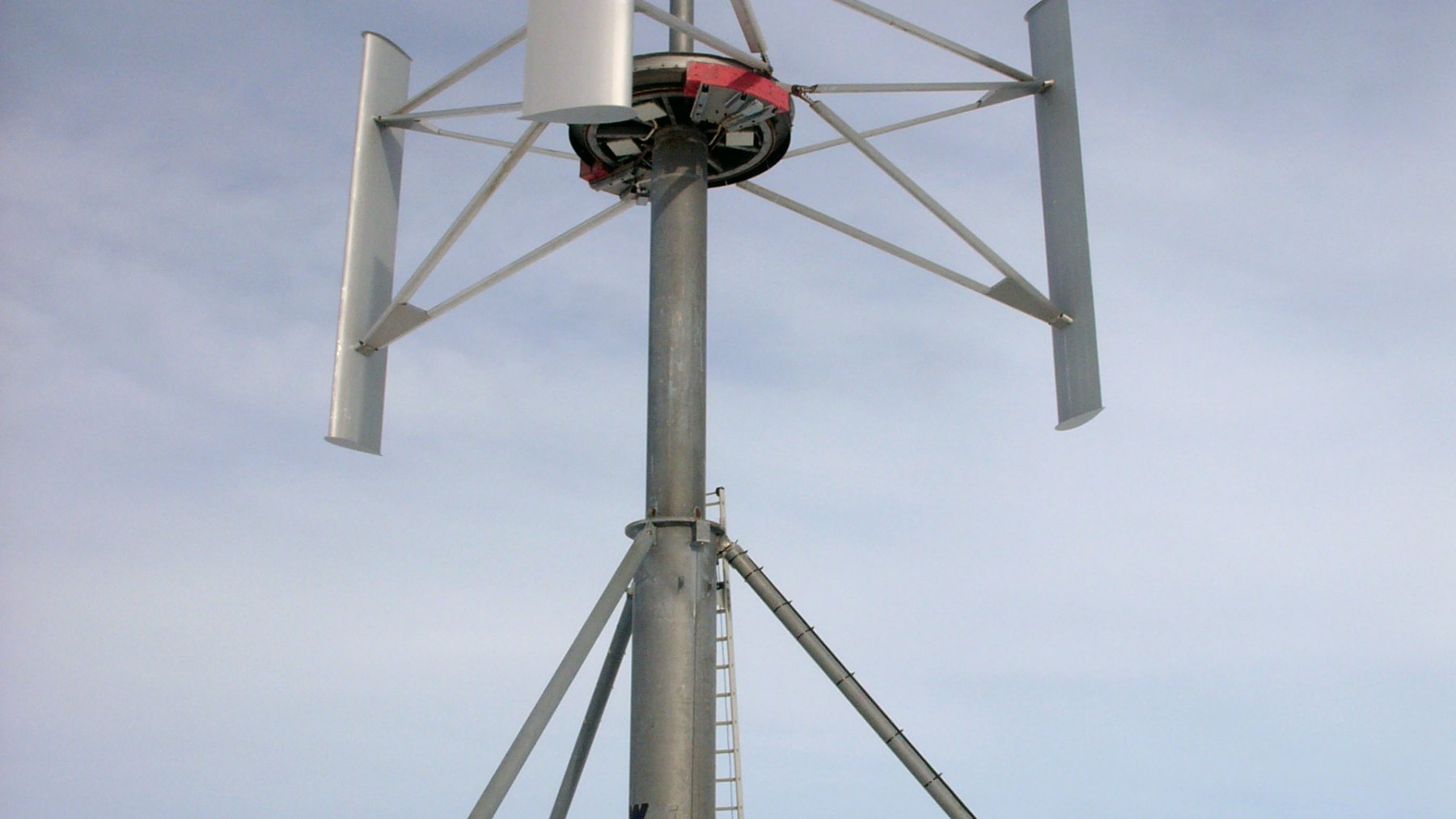
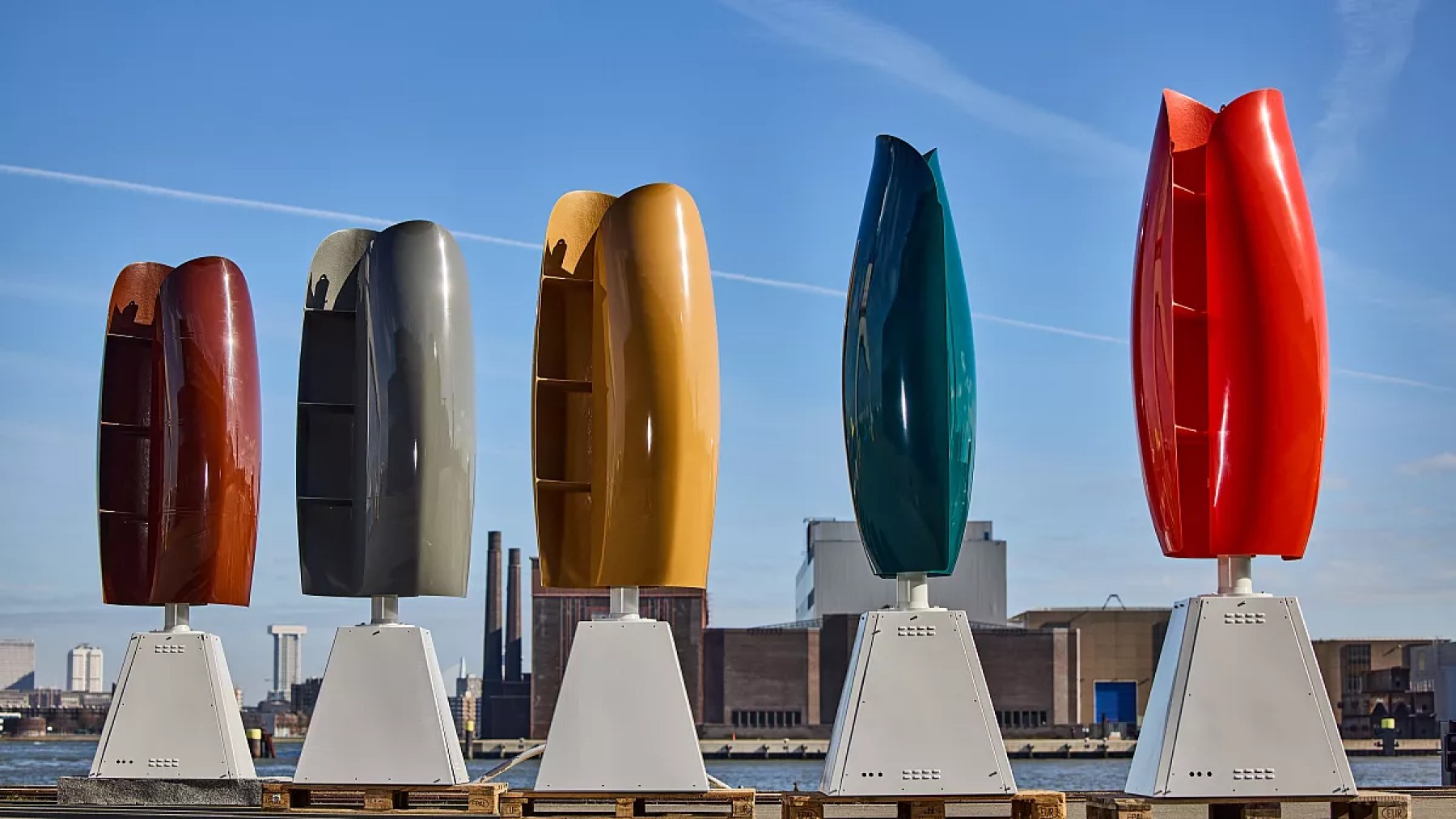
A potential small-scale wind energy-producing system is about to revolutionize the renewable energy market: flower turbines. These amazing tulip-shaped wind turbines are a new, attractive type of wind turbine that looks fantastic and is a viable solution to solar panels, as they work even better.
Flower Turbines was later established by Dr. Daniel Farb, businessman or entrepreneur with a desire to make renewable energy products. Consequently, Farb reviewed the strategies of traditional wind turbines and determined to find a solution for how to avoid the obstacles observed by small-scale wind energy.
This has led to the development of the Flower Turbine, the vertical-axis wind turbine that offers the efficiency of the VAWTs, the low noise characteristic of the HAWTs, and is bird-friendly. The design of the Flower Turbines with a tulip-like structure is not only for the look but as a major additional element of the turbines.
The concept of the tulip-shaped blades of the turbines is such that they are more efficient in converting square meters of windy regions into energy than the normal wind turbines and the new generation of solar panels. This efficiency advantage largely defines the possibilities of wind electricity generation on a small scale, which can be rather effective in urban and residential areas.
The secret is the “Bouquet Effect”: Up to 228 % more energy with only a few tulips in your garden
By this invention, Flower Turbines own what is termed the “Bouquet Effect” which helps them perform maximally. Flower Turbines can be installed in groups, or essentially bouquets, and these bouquets induce a much higher energy output from the turbines. Flower Turbine is a product of the company, which states that a bouquet of 5 turbines can produce 228 % more energy than 5 separate turbines.
This clustering effect creates a more confined area for the positioning of the turbines, thus allowing for the development of a larger energy potential in that particular area. However, according to Flower Turbines, it is believed that their implemented solutions are capable of generating power at lesser wind speeds than those comprised in a similar class of wind turbines.
Flower Turbines has several available products that come in varying sizes to meet various energy requirements and wind features. The smallest turbine they produce is for off-grid use and can charge batteries to power the small devices. Flower Turbines suggests that customers buy the turbines in sets of three or five pieces for installations on the utility grid, depending on wind conditions.
An invention that has the world in shock: These tulips have traveled from South America to New Zealand
The more significant turbines can supply a whole house or a small company, the excess of which can be sold back to the utility company. The business model of Flower Turbines is incorporated to be adaptable and modular to meet all the needs of the clients, ranging from small industries to large industries.
Flower Turbines fall under the renewable energy production category, which, amid the continuously growing global concern for sustainability, is likely to experience increased demand. The company has tested a similar approach with wind tulips in the Netherlands and Germany; they have placed their tulips in crowded squares and even on the roofs of the buildings typical of large cities.
As for the future prospects, one can see that Flower Turbines LLC is ready to take its business to an international level. The current strategy under implementation by the company involves extending the products to consumers in North America, South America, Australia, and New Zealand.
These new wind turbines for homes are so promising that we would not imagine going back to conventional solar panels (excepting those made from perovskite). The key is in its bioclimatic design, similar to a flower and with a compact concept that maximizes power and efficiency. In our top 10 of self-consumption inventions, we would place it at number 8, very close to others like the Waterlily Turbine we told you about yesterday.