A strange form of living energy comes to light. It is located in the darkest part of the Arctic and there are those who think it should not exist. If you were surprised by the project that creates biomass from olive waste, you can’t miss the information below. The proliferation of new forms of energy or forgotten energies is not accidental. It responds to the energy needs of the world in the face of the environmental footprint of fossil fuels.
A large number of industries still depend on fossil pollutants, whose days are numbered. Thus, bioenergy or biomass energy is gaining prominence. It is a type of renewable energy that comes from the use of organic or industrial matter created in some biological or mechanical process. Generally speaking, its origin is substances made up of living beings (plants, animals) or their remains and waste.
Biomass, being the raw material for bioenergy, is produced from plant materials that undergo photosynthesis, the natural process by which plants transform sunlight, carbon dioxide and water into oxygen and glucose. It can take place in nature even when light levels are very low, as discovered in the development of Arctic microalgae at the end of the polar night.
Strange form of living energy appears in the darkest part of the Arctic
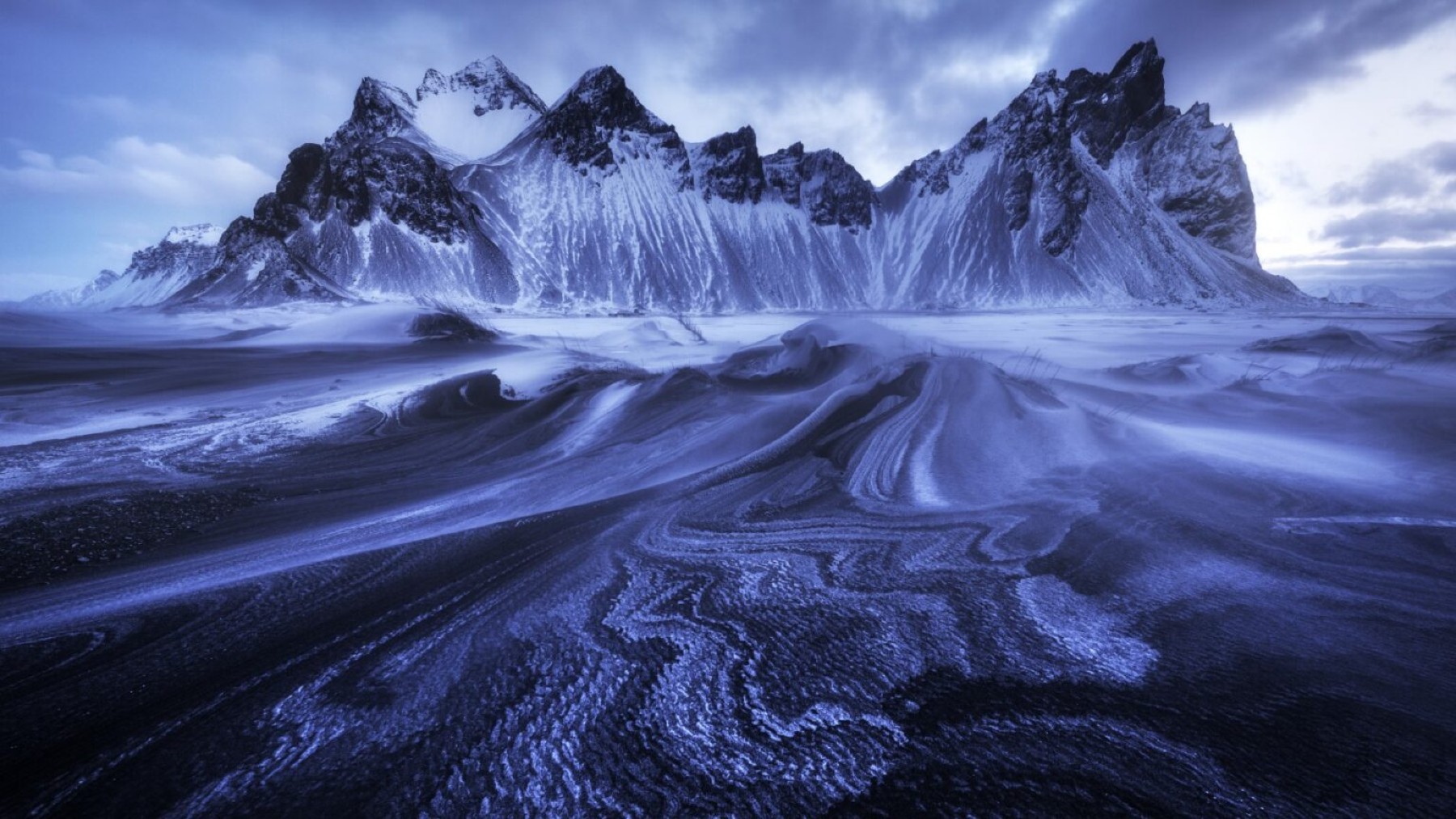
The aforementioned measurements were executed at 88° north latitude and exposed that even in this very northern area, microalgae can produce biomass through photosynthesis as early as the end of March. In that instance, the sun is barely visible on the horizon, so it is still practically dark in the microalgae habitat under the snow cover and ice of the Arctic Ocean.
The analysis, from the MOSAiC expedition at 88 degrees north latitude, found that microalgae have the ability to generate biomass through photosynthesis even when the sun is barely visible over the horizon. The study was published in Nature Communications and records that photosynthesis in the ocean is possible even in low light conditions and at depths much deeper than previously believed.
Photosynthesis is a crucial process for life on Earth. However, previous measurements of light needed for this procedure have been far higher than the theoretical minimum possible. The findings compiled in the above-mentioned study show that biomass accumulation can be generated with light levels close to the minimum.
The researchers used data from the international research project MOSAiC, which included freezing the German research icebreaker ‘Polarstern’ in the Central Arctic Ice Command for one year in 2019 to analyze the annual cycle of the Arctic climate and ecosystem. They concentrated their efforts on phytoplankton and ice algae, which are responsible for the large part of photosynthesis in the central Arctic.
Arctic’s darkest zone delivers a surprise with energy that has life in it
A work led by Dr. Clara Hoppe of the Alfred Wegener Institute, Helmholtz Center for Polar and Marine Research (AWI). Surprisingly, just days after the end of the polar night, plant biomass began to accumulate again, a process dependent on photosynthesis. The team used sensitive light sensors in ice and water to measure the minimum available light under this framework.
The results were unexpected and surprising. Photosynthesis in the Arctic Ocean takes place under snow-covered sea ice, where only a small glimpse of sunlight enters. They have discovered this strange form of living energy and the world has been left speechless with biomass, an energy we tell you more about in this article.