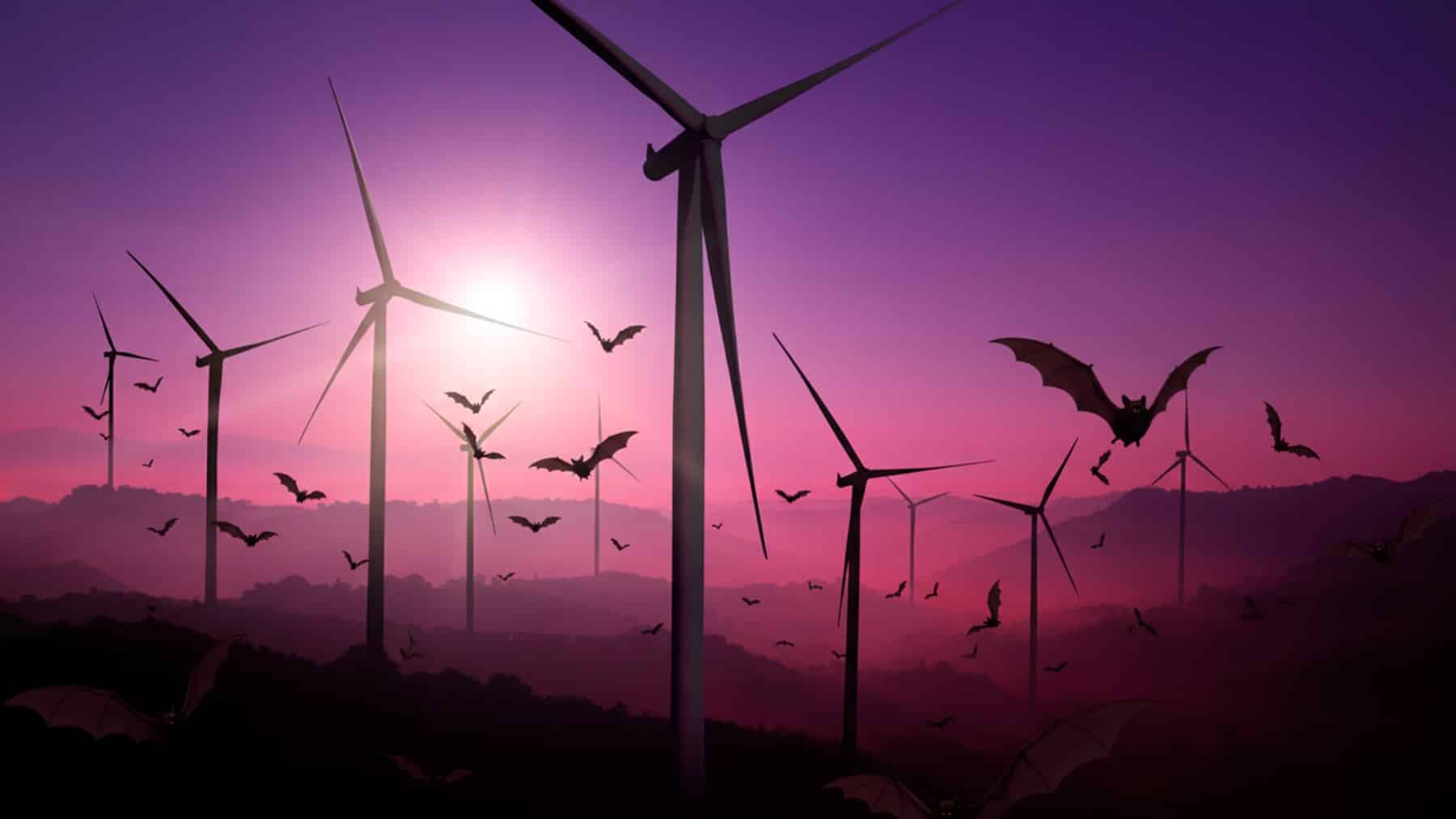
While wind turbines have often provided a more lucrative solution to accessing clean energy, there is a dark side to wind turbines. The disappearance of 800,000 bats each year across North America is surely a cause for concern. Bats tend to collide with turbine blades, and according to scientists’ predictions, this may cause the bat species to decline rapidly. U.S. tech is advancing rather considerably to reverse the effect that turbines are having on bats.
Sustainable energy, but not without environmental costs
Clean energy has always been seen as synonymous with energy generated from wind turbines, since more or less 8% of the world’s clean energy comes from these turbines. While turbines have contributed to the decline of solar power, they may also pose a serious threat to the bat population. According to studies, over 800,0000 bats are killed yearly, with the migratory bat, the hoary bat, being the most vulnerable.
Most of the bat fatalities occur in the evenings during autumn when the bats migrate across large regions. The spinning blades of the turbines are said to be invisible to the bat’s echolocation. Most of the injuries are caused by a direct collision. However, the bat population is vital to ensure economic and ecological success.
The role of bats in terms of pollination and agriculture cannot be denied. Without bats, food insecurity and biodiversity loss may result. For this reason alone, we need to look towards technological advancements that minimize the effect that turbines have on bats.
Eliminating the problem that wind turbines pose for bats
While all wind turbines undergo strict critical evaluations to determine their effect on the environment, wind farms are built too close to bat habitats. Since there are regulations set aside for each country, it is hard to enforce a set regulation in favor of placing turbines in areas where bats won’t be affected or harmed. Nevertheless, blanket curtailment is an option for the turbines that are already operational.
With blanket curtailment, turbine operation is stopped during the evenings at times of low wind speeds when bats seem to be the most active. This method can cut down on bat fatalities by 60%. The only disadvantage with this approach is that energy generation gets cut by 10%, which is also rather significant for many energy companies.
Moving towards more insightful bat-friendly solutions
Bat Conservation International (BCI), along with U.S. technological firms, is considering advanced migration strategies. EchoSense has put forward the idea of smart curtailment. With this method, sensors are used to detect the high-frequency calls of bats during migration. Such signals then indicate when the turbines should slow down so as to stop harming the bats.
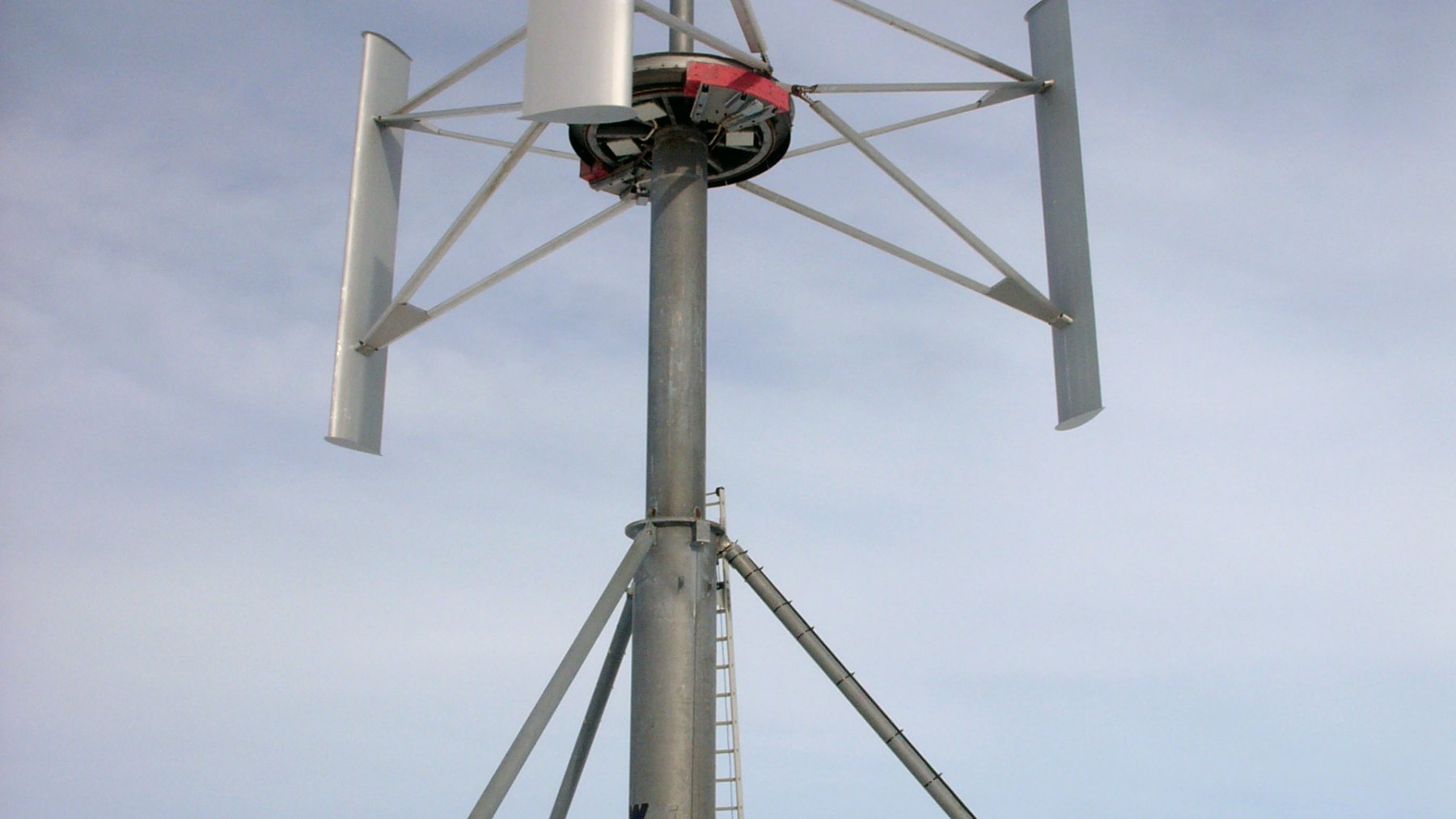
Smart curtailment was seen as an effective solution in the same light as blanket curtailment. With smart curtailment, only half the amount of energy is lost as opposed to energy lost during the latter. While this does seem like a lucrative option, France’s Biodiv-Wind is also rather effective. Relying on infrared cameras, bats can be detected as well. Spain, on the other hand, has opted for the DTBird & DTBat method, which relies on artificial intelligence to track bat movement in real time. If no solutions are found, we may have to introduce pole-shaped turbines that offer energy for free.
Depending on the turbines, ensuring a bat-friendly approach
Although wind turbines assist considerably in supplying us with energy that is useful to meet the global clean energy demand, wildlife protection is seen as being just as important.
Government agencies, wind turbine developers, and researchers need to work hand-in-hand to find solutions that do not reduce energy generation but ensure that bats are protected at the same time. Success in terms of global sustainability should be measured by how much clean energy we can generate and how many lives we can save while generating that cleaner power. We may have to move in the direction of the mysterious monolith that generates energy while saving lives.