For years, a sweet archaeological tale has traveled around the internet. An unnamed excavator supposedly opened a jar of honey sealed in an Egyptian tomb around 1000 BCE, tasted it, and found it perfectly edible after three millennia.
The chemistry behind that possibility is strong, but the famous tasting story is not well documented. Museum records and archaeological research confirm that ancient Egyptians placed honey in burial settings, yet the specific jar, archaeologist, and safety test behind the viral claim remain elusive.
The tomb story has holes
A 1975 archaeological review examined two vessels from Tutankhamun’s tomb labeled “honey of good quality.” They were almost empty, their remaining material could not be confirmed as honey, and another famous brown liquid from a royal tomb was identified by chemical tests as aged castor oil.
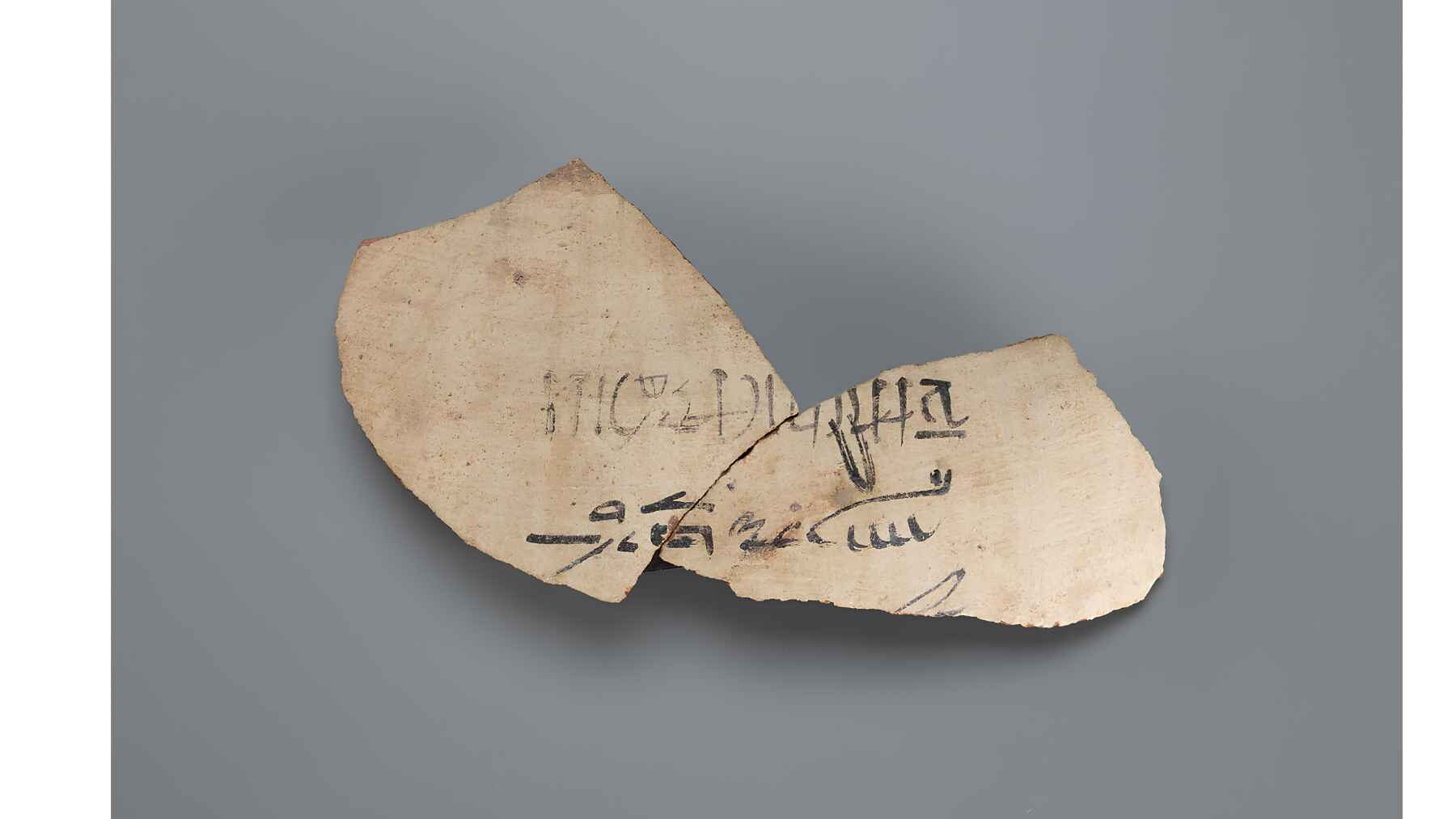
The Louvre does catalog an early 18th Dynasty jar excavated from a tomb at Deir el-Medina with its contents listed as possible honey. That is solid evidence that honey and burial vessels belong in the same historical picture, but it does not prove that archaeologists ate the contents safely.
Bees remove the water
Fresh nectar is mostly water, so worker bees process it with enzymes and evaporate much of that moisture inside the hive. The Codex standard says ordinary honey should contain no more than 20% water, while scientific reviews place its water activity around 0.56 to 0.62.
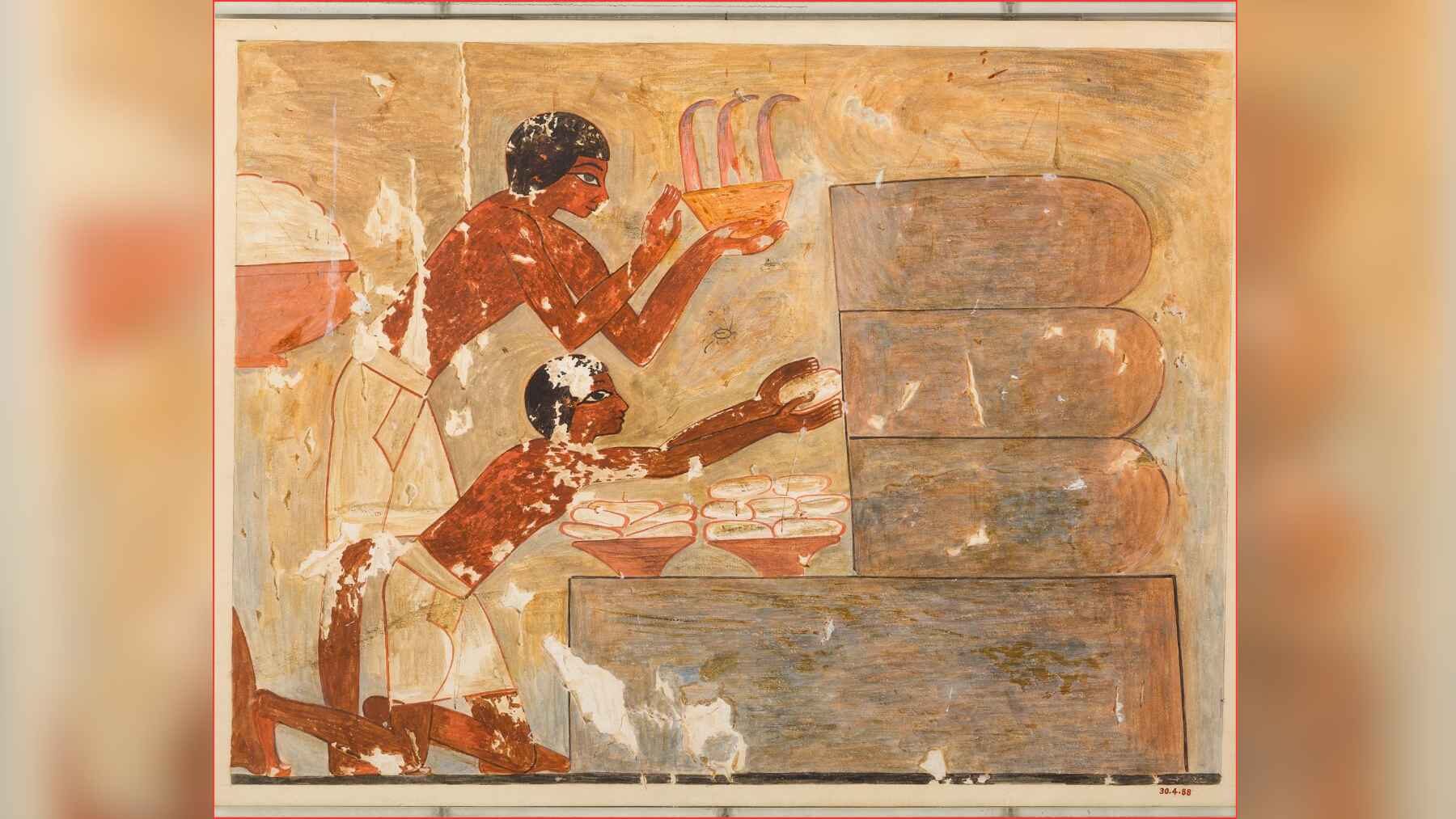
That low water availability is the first lock on honey’s pantry door. Most bacteria cannot draw enough usable water from such a concentrated sugar solution to grow and divide, even though the jar may look like an inviting pool of food.
Acidity raises the barrier
Honey typically has a pH between about 3.2 and 4.5, largely because it contains gluconic acid and other organic acids. Low pH and low water activity reinforce each other, creating conditions that stop most food-spoilage bacteria from multiplying.
Still, honey is not sterile. It can contain dormant Clostridium botulinum spores, which is why the Centers for Disease Control and Prevention says honey should never be given to children younger than 12 months.
Peroxide is not the whole story
Bees also add the enzyme glucose oxidase while turning nectar into honey. In concentrated honey the enzyme is held largely inactive by low water availability and acidity, but dilution lets it generate gluconic acid and small amounts of hydrogen peroxide.
That reaction helps explain honey’s antibacterial performance in laboratory and wound-care research, but it should not be reduced to the idea of a jar slowly disinfecting itself for 3,000 years. Long storage depends first on keeping moisture out, and peroxide activity can vary substantially among honeys.
Ancient honey does not stay fresh
Crystallization is a physical rearrangement of glucose, not automatic spoilage. Yet time and warmth can darken honey, flatten its floral aroma, reduce enzyme activity, and increase compounds used by scientists to track aging, so “microbiologically stable” does not necessarily mean “pleasant to eat.”
A 2025 study of 2,500-year-old material from bronze jars in a Greek shrine detected hexose sugars, organic acids, and royal jelly proteins consistent with ancient honey or honeycomb. Project co-lead Luciana da Costa Carvalho called ancient residues “complex chemical ecosystems,” a reminder that molecular evidence can survive even when the original food has become a heavily changed residue.
What finally breaks the spell
Moisture is the main threat. A weak seal, a wet spoon, or humid air can raise water activity enough for osmophilic yeasts to ferment the sugars, which is why international food standards require honey to be free of fermentation and effervescence.
Heat creates a different problem by damaging enzymes, driving off aromas, and accelerating browning reactions. Crystals alone are normal, but fermentation or visible mold means the jar has lost the conditions that made it stable.
Was tomb honey actually edible?
A clean jar filled with mature honey and kept airtight in a cool, dry, stable chamber could remain hostile to most microbes for an exceptionally long time. That makes preservation across centuries, and perhaps millennia, chemically plausible without proving that every ancient jar remained safe.
The honest conclusion is more interesting than the legend because the Egyptian tasting anecdote remains unverified, while the chemistry that gives properly stored honey an extraordinary shelf life is real and measurable.
The archaeological study was published in the Journal of the American Chemical Society.