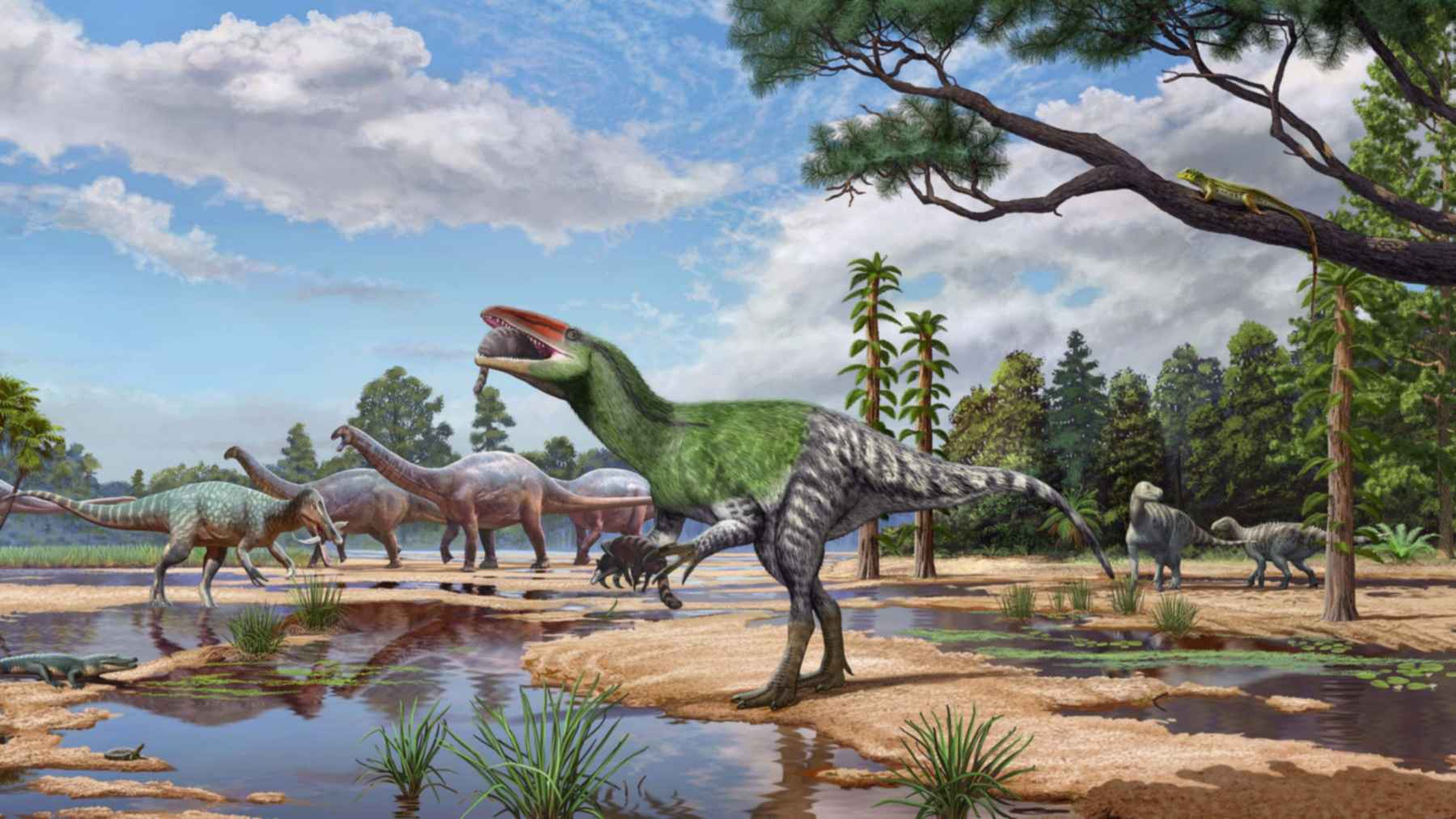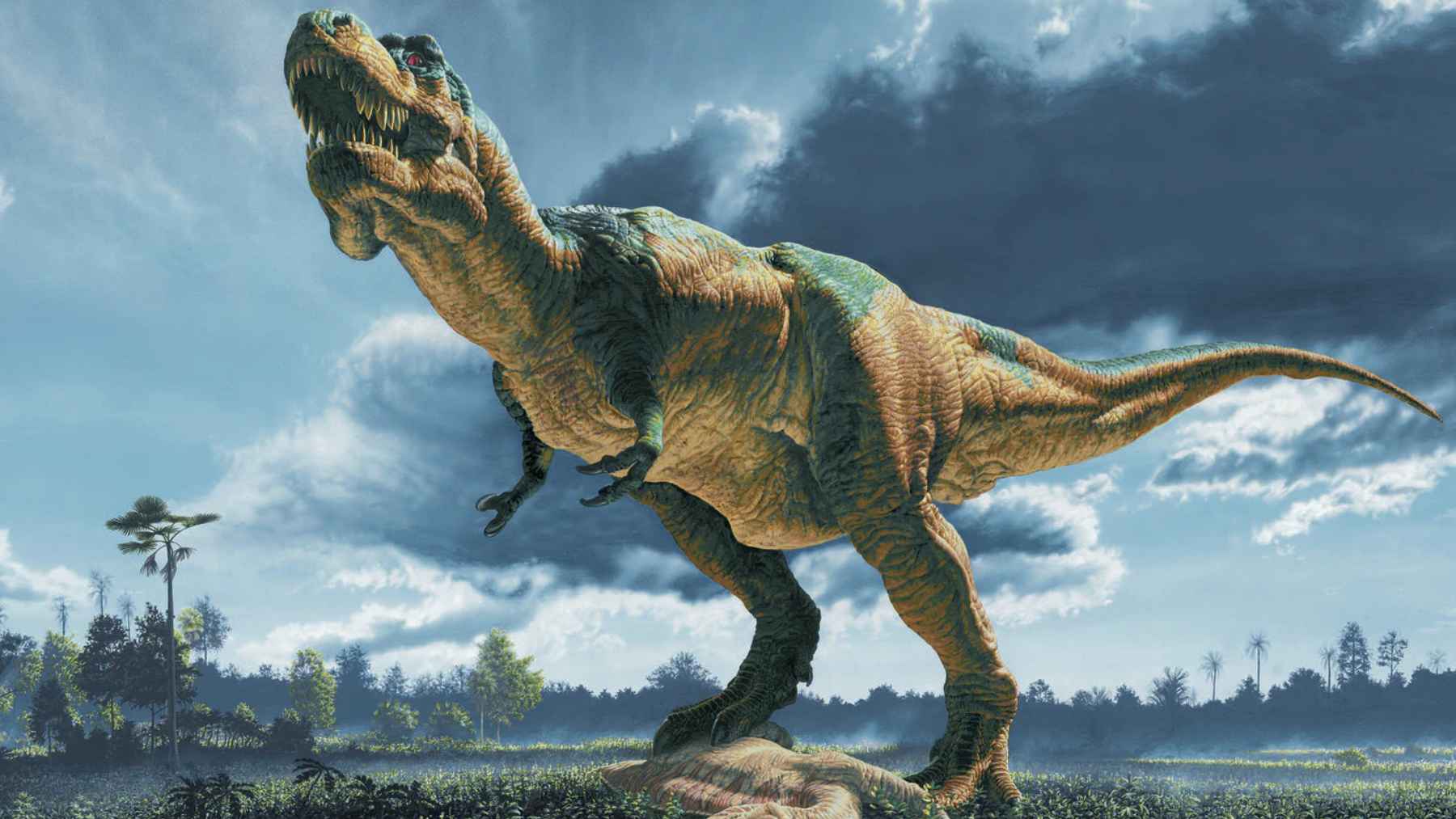
Tyrannosaurus rex is one of those creatures everyone thinks they know. It was huge, loud in our imaginations, and built for hunting on the ancient North American landmass called Laramidia.
But a new study suggests the movie-style “stomp” may be wrong. Researchers argue that T. rex likely struck the ground toes-first, much like modern birds, which could reshape how scientists estimate its speed and hunting style.
A rethink sparked by fossils and footprints
The research comes from scientists at the College of the Atlantic in Maine, who built a model of how T. rex feet hit the ground while walking and running. They combined measurements from multiple skeletons, including the famously well-preserved specimen called Sue.
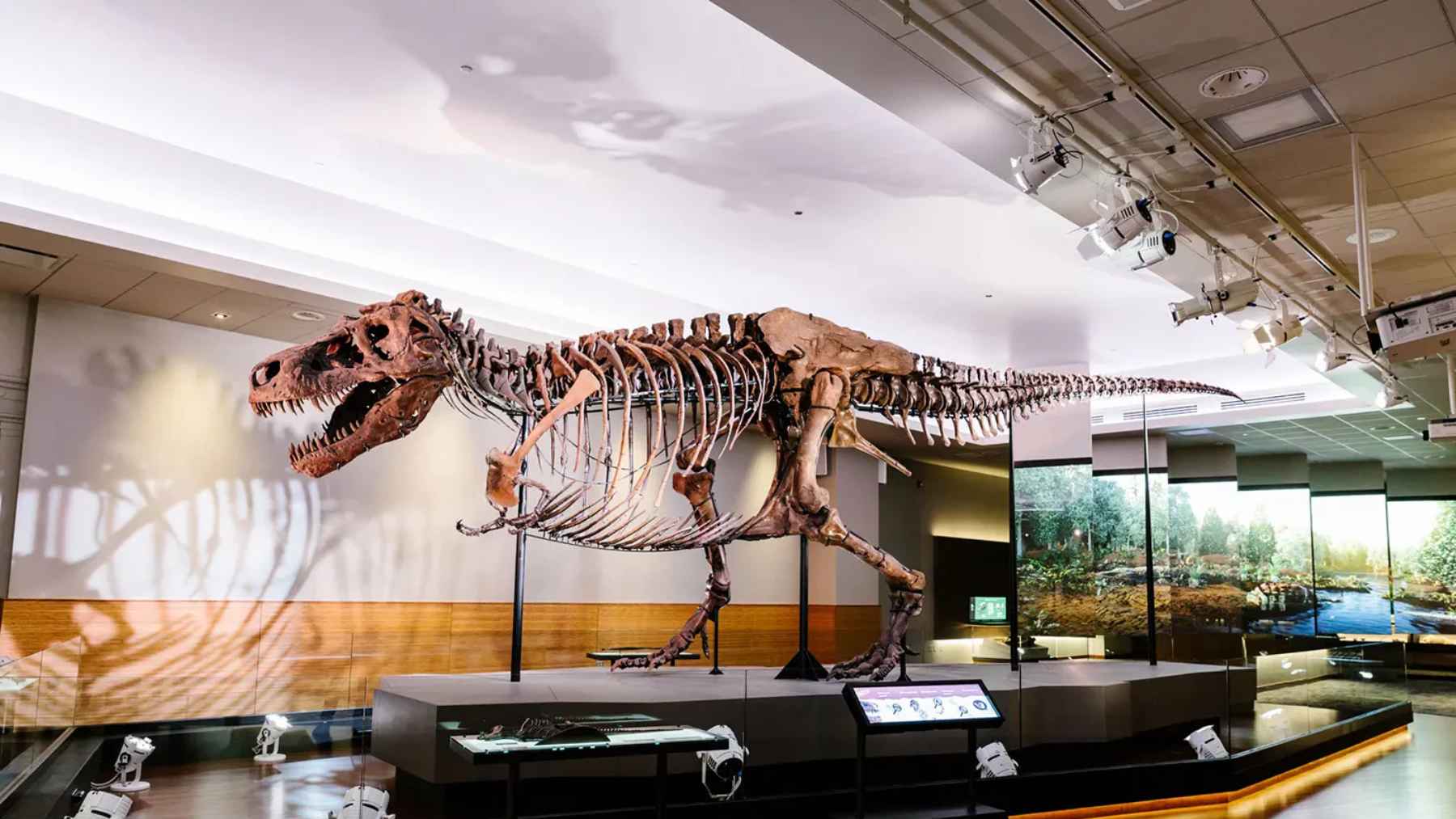
Sue is housed at the Field Museum in Chicago and is widely considered the largest and most complete T. rex skeleton ever found. Studying it again helps answer a simple question that turns out to be surprisingly tricky: What part of the foot landed first?
Why a dinosaur’s “foot strike” matters
When scientists talk about “foot strike,” they mean which part of the foot touches down first. It is like seeing which part of a sneaker sole wears down first, and what that tells you about how someone walks.
For years, many reconstructions assumed T. rex hit the ground heel-first or mid-foot first, partly because its tail was so heavy. But the new model suggests the deepest pressure in many fossil tracks sits under the toes, pointing to a bird-like step instead.
Modeling a giant that still had to move fast
To test the idea, the team examined fossil footprints and compared them with leg and foot bones from different T. rex individuals. One part of the approach was simple in concept and tricky in execution.
The researchers measured stride length and stride frequency, which is basically how big the steps were and how quickly they happened. Then they tested three different ways the foot could land and compared those patterns with living animals such as humans and ostriches.
What the study suggests about speed and hunting
If toe-first movement was common, it could raise some speed estimates by about 20%. The researchers suggest a T. rex could have reached roughly 11 to 25 miles per hour, depending on its size and age.
The study also supports an idea seen in earlier work: younger tyrannosaurs likely moved faster than adults. That matters for hunting, because it hints juveniles may have chased smaller, quicker prey while older, heavier animals relied more on ambush, strength, and short bursts.
How this could change museum displays and animation
Museum mounts, documentaries, and movies often show T. rex planting a broad, flat foot with a heavy stomp. If the new research holds up, that classic image may need a subtle redesign.
The shift is not just about looks. It changes how scientists model balance, stability, and how an animal that weighed around 22,000 pounds managed turns, stops, and sudden bursts of movement without toppling over.
Why Sue still matters for science
Sue is more than a crowd-pleaser. It is a living research tool, in the sense that scientists continue to learn from it decades after it was first excavated.
Re-examining Sue alongside other fossils also helps researchers test whether one animal is an outlier or part of a broader pattern. That is especially important for questions about movement, where tiny differences in foot bones can change the whole picture.
A link between dinosaurs and birds that feels surprisingly direct
The idea of a bird-like T. rex can sound odd at first, but it fits with what paleontologists already know. Birds are living dinosaurs, and many traits tied to fast running evolved long before flight.
Steve Brusatte, a paleontologist at the University of Edinburgh who was not involved in the study, called the discovery striking. He told The New York Times that you can picture “something like an eight-ton chicken” running around, and the image is funny because it is not entirely wrong.
A broader context of footprint science
The new study also leans on the growing field of fossil track research, which often adds details bones cannot. A single footprint can show where weight was placed, how soft the ground was, and how the animal balanced itself.
One well-known example is the footprint type called Tyrannosauripus pillmorei, described in a 2014 study that helped link certain tracks to large tyrannosaurs. Pieces of evidence like this are helping researchers build more realistic pictures of how dinosaurs moved through their world.
The main study has been published in Royal Society Open Science.