Denmark fuses wind, sun, water and air for the first time. It has achieved 5,000 tons of a rare substance. Climate change mitigation depends, in particular, on a radical change in the way energy is generated and used. Different industries need to stop relying on fossil fuels and switch to renewables. In this context, humans have already witnessed ambitious projects such as the monumental deployment of green hydrogen led by Spain.
Human and planetary survival requires an energy model based on the use of renewables and affordable prices for all. At this point in history, it is clear to humanity that energy is one of the great engines of development. However, part of its production is the main cause of the climate crisis that threatens both the environment around us and ourselves.
To change this reality and turn the situation around, different nations and energy companies are working to bring new ways of generating and consuming energy. Thus, Denmark has been encouraged to merge wind, sun, water and air for the first time. It now has its hands on 5,000 tons of a rare substance that could be just what we are looking for to say goodbye to fossils.
Denmark uses wind, sun, water and air to create the most sought-after substance
Denmark has succeeded in making ammonia for the first time directly from wind and solar energy. With this fusion, it has achieved 5,000 tons of green ammonia per year. Three Danish companies (Topsoe, Skovgaard Energy and Vestas) have joined forces and know-how to manufacture green ammonia in the most efficient way in the world. The Ramme plant is the first to be prepared for direct operation with intermittent energy sources.
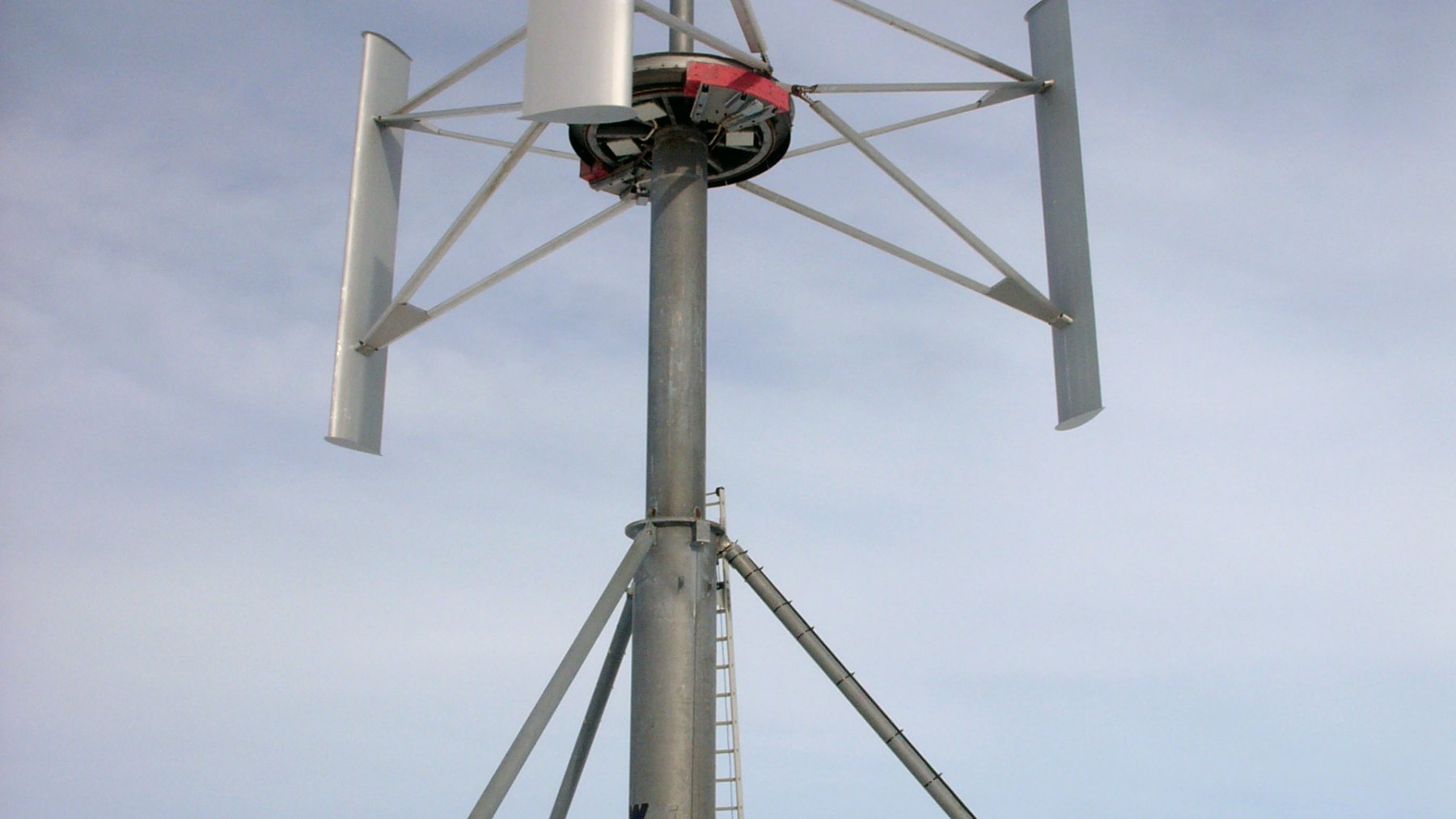
The first step it is taking to start its process is the production of clean energy. The plant draws electricity from a renewable energy park located a few meters away. Before the ammonia plant was built, this farm already had six 2 MW Vestas V80 wind turbines.
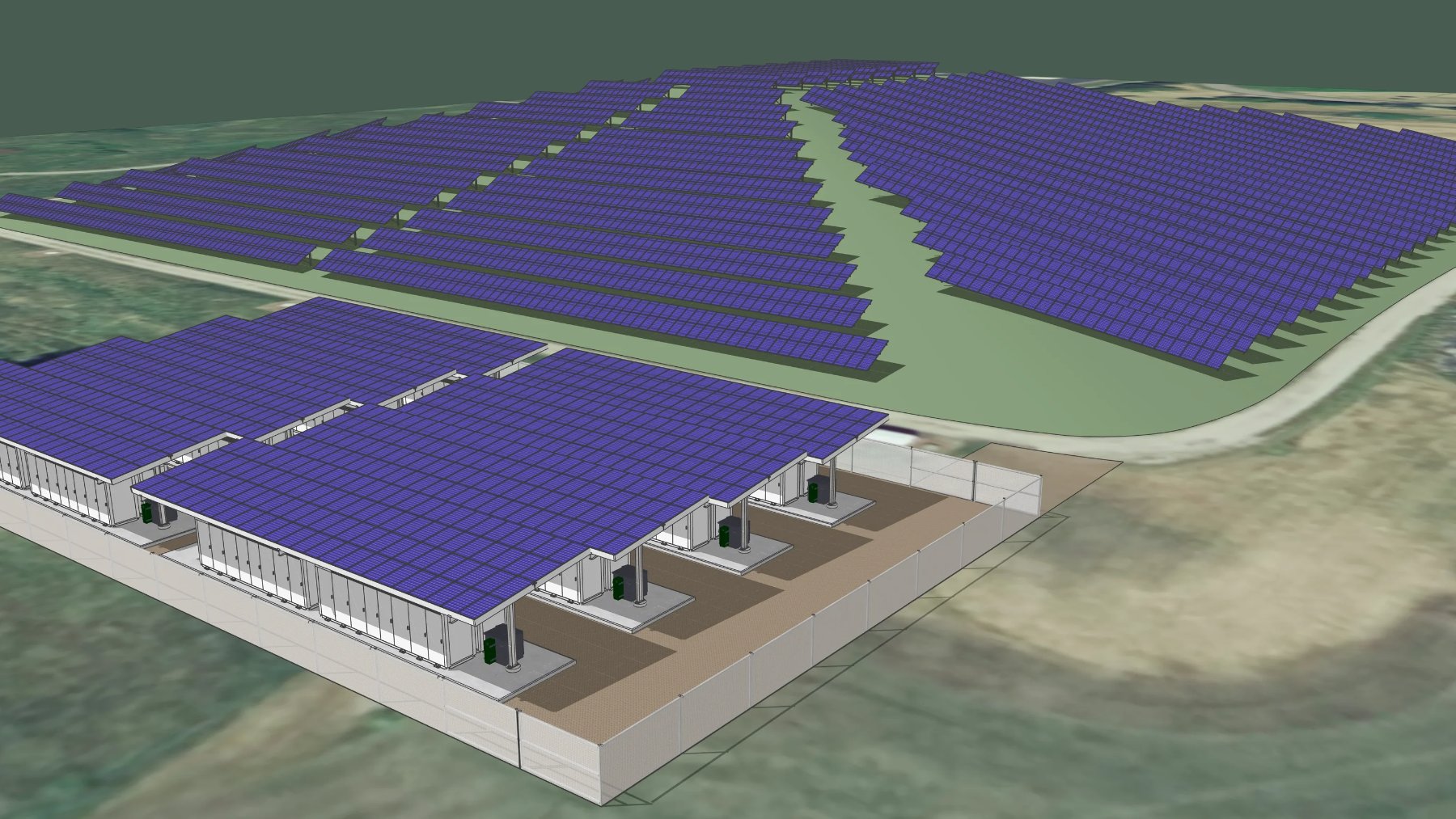
The arrival of this project incorporated the installation of 50 MW of bifacial solar panels. This new solar capacity was added to the 12 MW of power already installed by the wind turbines. This is the first time that a hybrid wind and solar farm is directly connected to an ammonia plant.
The second step in the process is the electrolysis of water. The clean energy created by the solar panels and wind turbines is used to power an electrolyzer, a device that applies electricity to water to break down H20 molecules into hydrogen and oxygen. This process is the same as the one used to generate green hydrogen, but in this case it is an intermediate step to obtain ammonia.
Denmark produces ammonia with water, sun, air and wind
Ammonia synthesis is the third and final step. The hydrogen acquired by electrolysis is combined with nitrogen, extracted from the air, in a process called Haber-Bosch synthesis. This procedure is carried out in a “synthesis loop” adapted to operate efficiently despite the intermittent nature of renewable energy sources.
One of the innovations and distinguishing features of this plant is that it can adjust production to real-time fluctuations in solar and wind power. The Ramme plant will generate 5,000 tons per year of green ammonia, which can then be used as fertilizer, fuel and hydrogen carrier, all carbon-free applications linked to its production.
Denmark has achieved a historic feat with the fusion of wind, water, sun and air alone that could be compared to the ‘colossus’ of solar energy.