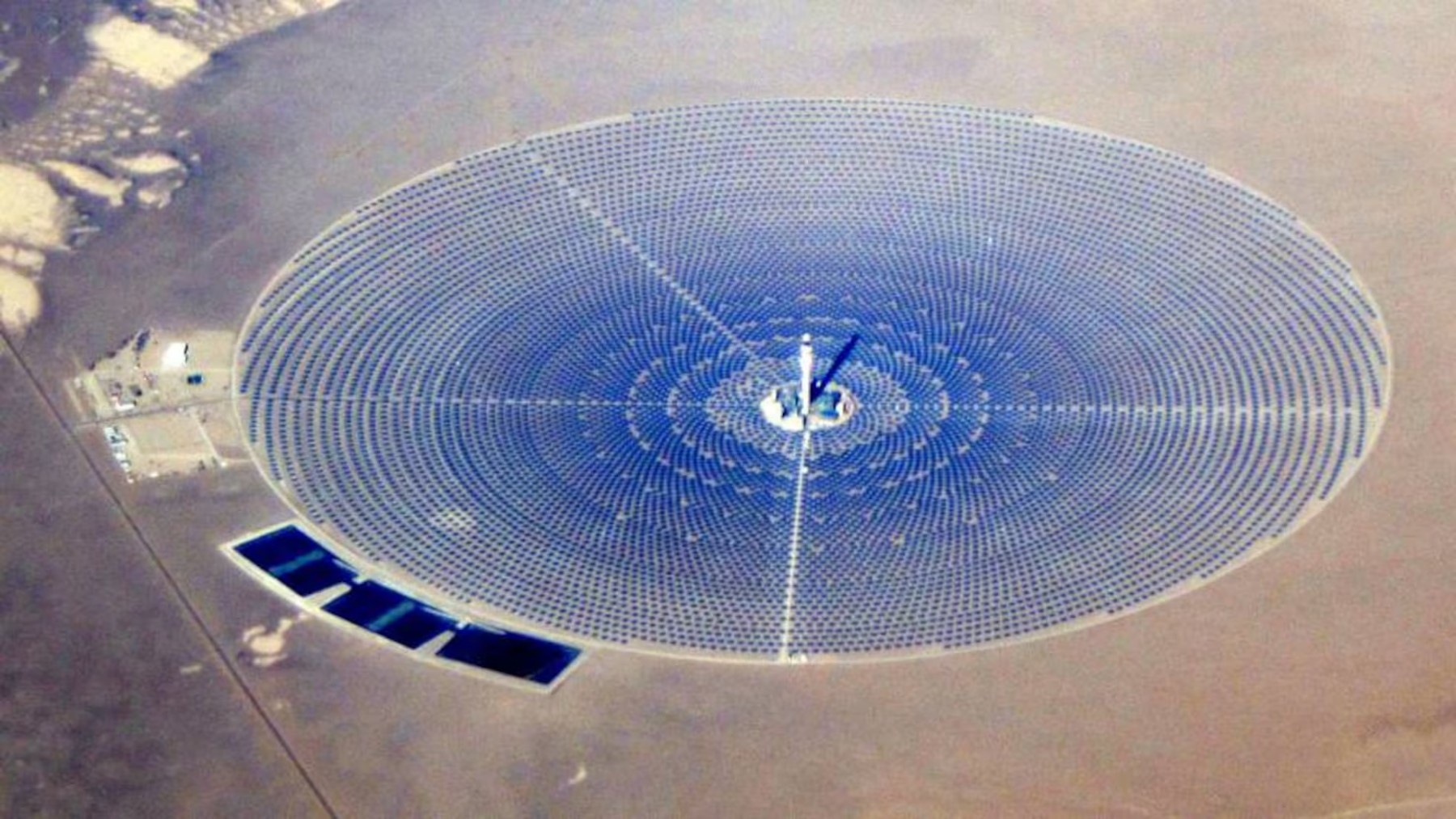
An exceptional infrastructure was used to represent America’s solar energy project in the middle of the Nevada desert. Nevada Solar One, a CSP plant that started operations in 2007, was once the world’s largest CSP plant.
However, as the solar industry moves forward fast, this plant remains passive in the desert but supplies green electricity while other technologies and projects have moved ahead. It is time to introduce its history, the type of technology it is based on, and its position in the modern system of renewable power sources.
Nevada Solar One’s history: the rise of a solar giant in the desert
Nevada Solar One was once a beacon of what the American solar future could look like. It has a capacity of 64MW and made the CSP plant to be established in the US in 1991. The plant was situated just outside Boulder City in southern Nevada. It utilized parabolic trough technology that concentrated the light onto a receiver and produced heat that, in turn, could create electricity.
This technology was considered a game changer for solar power, especially in states that receive power from NV energy, such as Nevada. Nevada Solar One was established after its completion as one of the most significant steps towards using solar energy to generate electricity and lessen the use of fossil fuels in the provision of electricity.
How parabolic trough solar collectors helped make history in solar energy
The focal point of Nevada Solar One can be found in parabolic trough solar collectors. These 760 collectors each have more than 182,000 mirrors and operate by focusing solar rays on a collector pipe. The heat produced by focusing the sun’s rays is transferred to thermal oil, which generates steam that turns a turbine and generates electricity.
On the whole, the land used for the project would be 130 hectares, and the plant had the potential to produce about 136 GWh of clean energy, which could power 15,000 homes annually. While this technology paved the way for CSP in 2007, other improvements in the technology of CSP have made newer CSP designs and photovoltaic solar panels more efficient and cheaper.
However, with the current increase in the efficiency of solar technology, Nevada Solar One has been challenged in its ability to meet the current technologies. More significant and sophisticated solar power plants have dwarfed its capacity and efficiency in recent years. Today, it is much smaller than the new plants, such as the Crescent Dunes Solar Energy Project in Nevada.
It possesses both greater capacity and new types of thermal energy storage systems. While Nevada Solar One still generates renewable power and feeds into the electrical system, thus being of great value to Las Vegas and nearby regions, it is no longer a key participant in the solar market.
Looking ahead: the legacy of Nevada Solar One and the future of solar energy technology
Nevada Solar One, though currently defunct, is a testament to the future of solar energy. It also sustains a 30 per cent annual reduction of over 129,000 metric tons of CO2 emissions and remains a renewable energy source in the region. Today, solutions are searched for that are more sustainable and realistic in the context of the food chain industry.
Thanks to advances in photovoltaic solar technology and storage technologies like battery systems, for example, solar is rising, with a global trend towards adopting cleaner energy sources and minimizing carbon emissions.
Nevada Solar One might have ceased to be the largest and the most innovative solar plant. Still, it’s a success story of a cleaner world, renewable energy, and a continually developing area of solar energy technology. It is an example of the history of developing renewable energy sources and a testimony to modern difficulties and opportunities.