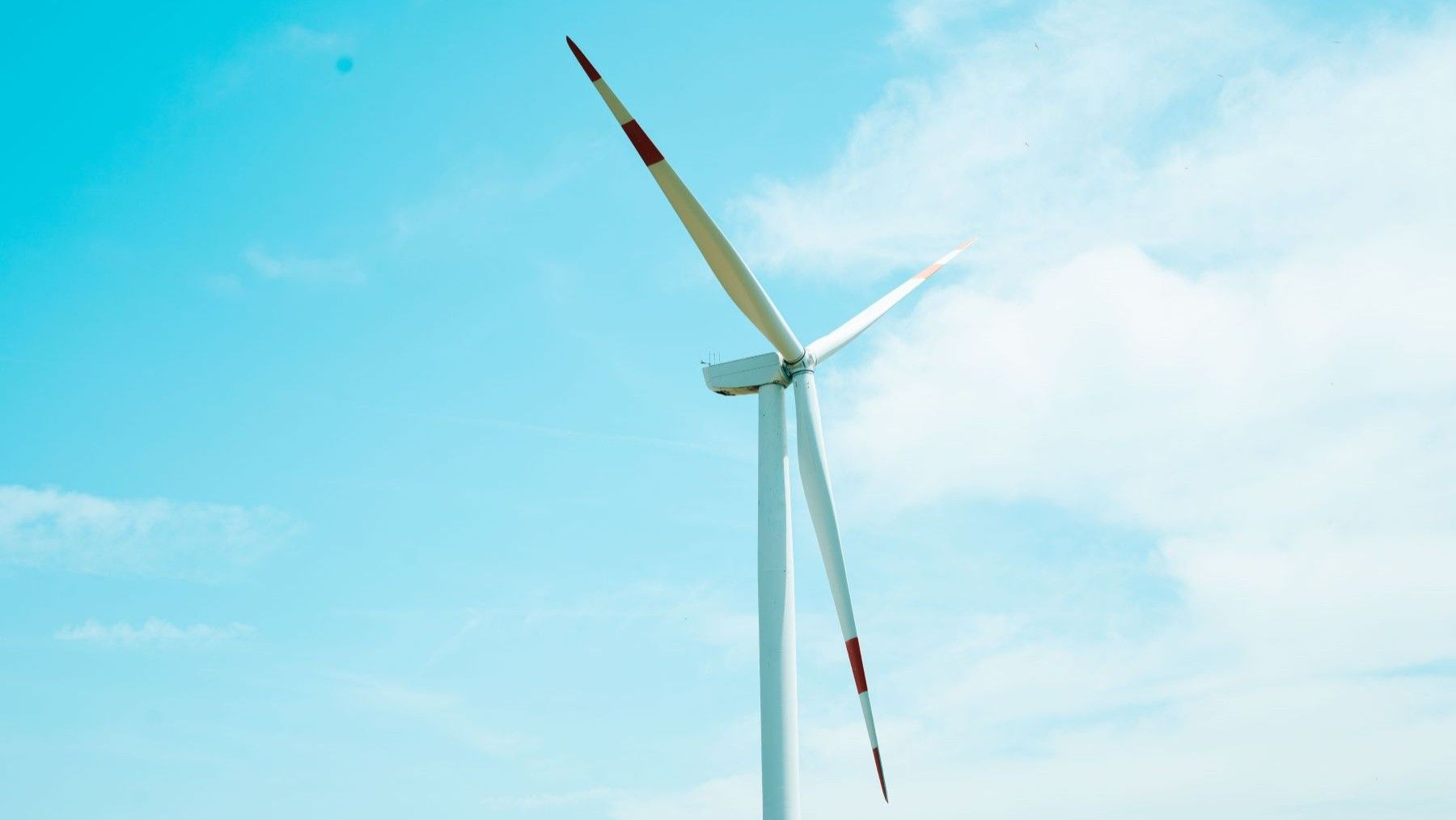


The United States wind sector is bound for continued growth based on important indicators in 2009, a Department of Energy research laboratory said in a new research.
The Lawrence Berkeley National Laboratory in California said the United States wind industry was among the world’s most progressive wind markets, adding a record 10,000 megawatts or 10 gigawatts of wind capacity.
The country’s wind sector bagged $21 billion in investments in 2009 and shattered the previous record of 8,558 MW in 2008.
Wind represented 39 percent of all new electric generating capacity in the United States in 2009. Ten GW would be enough to power 2.4 million homes. With the additional installations, wind can now provide 2.5 percent of the United States’ power supply.
“The wind power industry has entered an era of unprecedented expansion, both globally and in the United States,” the laboratory said.
“At this pace, wind power is on a path to becoming a significant contributor to the U.S. power mix,” said Ryan Wiser, a scientist at the laboratory’s environmental energy technologies division who co-wrote the annual report.
The findings on the United States’ wind growth are hardly new, but the report points out that the wind industry actually experienced a turbulent season in 2009 because the financial crisis.
Twenty-eight states put up new wind power facilities in 2009. Texas was the most active, installing 2,292 MW worth of new capacity. Iowa, South Dakota, North Dakota and Minnesota saw the increased share of wind power in local electricity generation.
Iowa wind farms now provide 20 percent of the state’s total power production. South and North Dakota respectively generate 13 and 12 percent of their electricity from wind. In Minnesota, wind power now represents 11 percent of the total state electricity generation.
Largest importer
The United States maintained its status as the largest importer of wind turbine equipments, or $4.2 billion worth of components in 2009. This is down from $5.4 billion in 2008 and $4.6 billion in 2007, but up from $2.5 billion in 2006.
The figures suggest that an increasing volume of wind power equipments are now being sourced domestically. The report said that local and foreign component manufacturers are establishing production plants in the United States to reduce transportation costs and currency risks.
The industry is expected to face a tougher environment in 2010, as tight funding for wind projects due to the global financial crisis, lower wholesale electricity rates and lower renewable energy demand pose challenges.
Industry analysts expect new wind installations to range from 5,500 to 8,000 MW this year which would be 20 percent to 45 percent lower than in 2009. But the industry is expected to recover in 2011 and 2012 when projects backed by the economic stimulus fund mature.
Issues concerning price might also affect the sector. According to the report, the average sales price of projects built in 2009 settled at approximately $61 per megawatt-hour, higher than the average of $51.85 per MWh in 2008 and $43.2 per MWh in 2007.