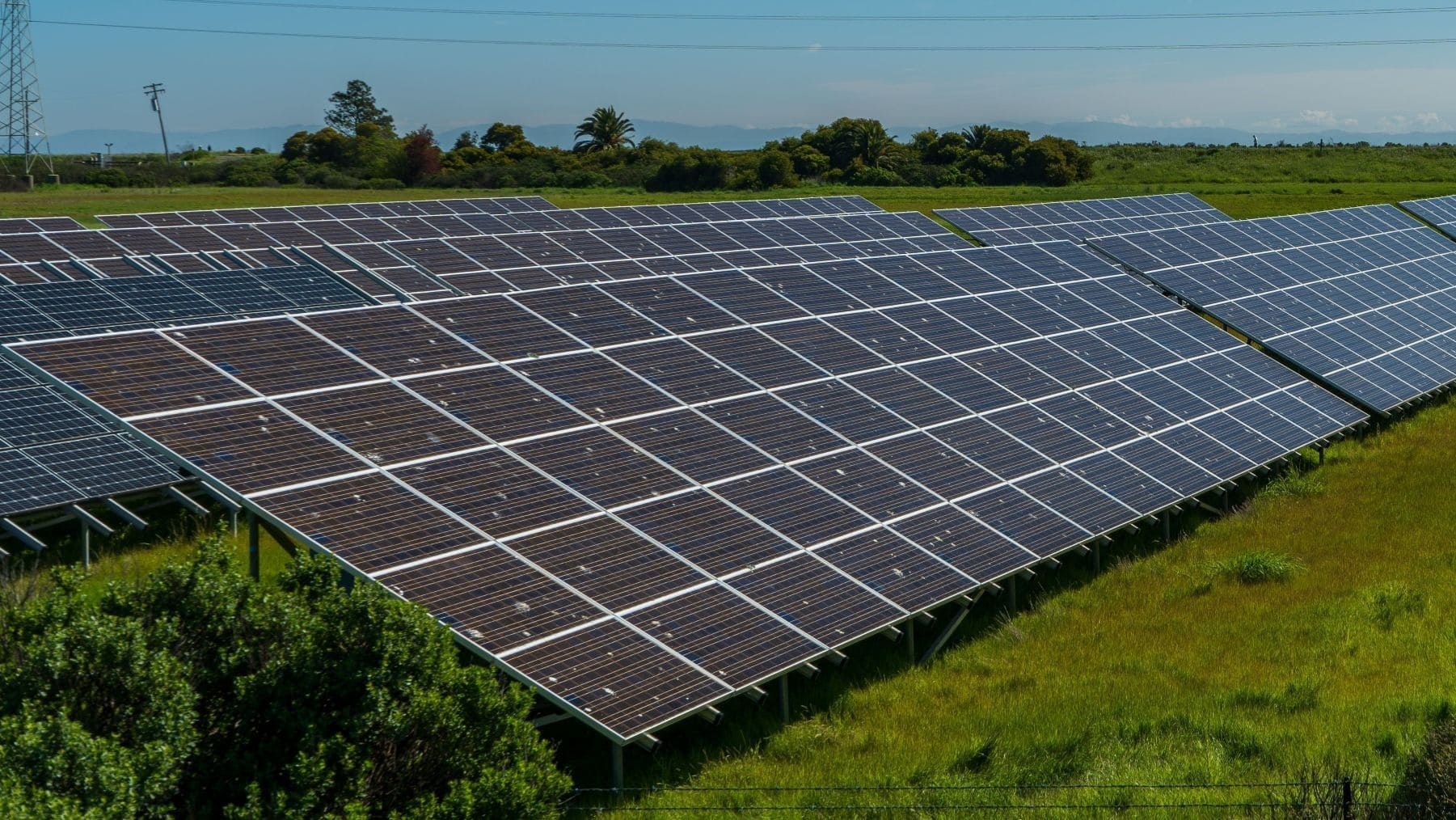

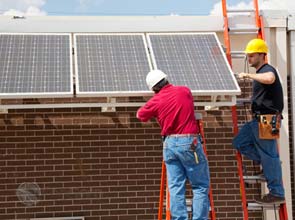
British solar startup HomeSun will launch an ambitious £1 billion ($1.58 billion) plan this week to install rooftop solar panels on 100,000 homes over the next three years for free.
The company will cover the installation and maintenance costs of the photovoltaic solar panels rated from 2.5 kilowatt-hours to 4 kWh. Only houses with roofs facing south are qualified for the free solar installation.
Participants can slash their electricity bills by one- third, without having to spend over £11,000 needed to install a rooftop solar panel.
For homeowners who do not qualify for the free installation, HomeSun offers a separate scheme where a household can pay a one-time fee of £500 followed by a monthly maintenance fee of £5.
“Solar power is natural, free and clean – and it’s the price which has slowed widespread take-up,” said Daniel Green, chief executive of HomeSun. “We are changing that – today is the beginning of a new era as HomeSun takes solar power out into the mainstream.”
The company raised £20 million from a group of undisclosed investors and banks to fund the initial wave of installations. HomeSun intends to install 2,000 rooftop solar panels within the next 12 months.
While the initiative will help consumers save money and reduce their carbon footprint, it will also provide a new avenue for HomeSun to generate revenues. The company will recoup its investment through the generous government feed-in tariffs and by selling excess energy produced by the solar systems to the national grid.
If homeowners wish to receive the feed-in tariff themselves, they may buy out of the HomeSun contract on a straightline depreciation basis. Once ownership is passed over, the homeowner will receive the level of tariff that was current at the time they bought out the contract.
The Department of Energy and Climate Change set feed-in tariffs for small-scale electricity generators to expand the use of residential renewable energy technologies. Houses fitted with solar panels of up to 4 kW in capacity are paid 43.1 pence per kilowatt-hour, whether electricity is exported or used by the owner. The rates are guaranteed for 25 years.
According to consultancy firm Ownergy, it took only three months for Britain’s new feed-in tariff program to start paying dividends. The attractive government incentives also made the country the fastest growing market for photovoltaic installations this year, iSuppli Corporation agreed.
Around 20.7 megawatts has been installed since the tariffs were established. By the end of the year, Britain is expected to have 98 MW of installed photovoltaic solar capacity, representing a 1,500 percent increase from last year’s installed capacity of 6 MW.
The report anticipates that photovoltaic installations will continue to rise by 50 percent annually through 2014.
“With leading solar country Germany cutting its [feed-in tariffs], the focus of the photovoltaic world is shifting to places with more favorable incentives – making [Britain] a solar hotspot this year,” exlained Henning Wicht, a senior director for iSuppli.
The residential sector was a key player in the growth of the country’s solar power sector. From 408 residential installations registered in April, the residential sector recorded 4,541 installations at the end of July.
Be wary of free solar schemes, critics warn
While free solar installation services can encourage more homeowners to turn to solar power, homeowners must still investigate the details of any scheme, Consumer Focus, a consumer organization, and the Center for Sustainable Energy warned.
They urged people to do research or get legal advice before signing up for a scheme to avoid being tied to a long-term contract that can last 25 years, the length of the current tariff system.
“Free solar panels could cut consumers electricity bills and allow them to produce green energy at no cost, but customers need to go into these deals with their eyes open,” said Liz Laine, an energy expert at Consumer Focus.
Homeowners can save more by paying the solar panels for themselves rather than register with current free solar service offers in the market, the Guardian reported.
The newspaper noted that households will save around £2,750 on energy bills over 25 years under the current schemes. In comparison, households that will pay for their own solar panels with a loan at 7.7 percent interest repaid over 10 years will save around £6,506 over the same period due to the income brought by the feed-in tariffs.