
Ontario approved 40 large-scale renewable energy power projects under the second phase of its feed-in tariff program which the Canadian province said will create 7,000 jobs and reel in roughly $3 billion. Canadian dollars in private sector investment.
Ontario Power Authority, which administers the scheme, said the second round of projects add up to more than 872 megawatts of renewables-generated electricity, enough to power 200,000 homes.
Ontario Power Authority, a major Ontario utility, will buy the electricity produced by the winning contract holders so that it could meet its renewable energy targets.
The contracts cover 20 years of electricity generation from the named projects, except for hydropower projects which run twice as long.
Like other feed-in tariff schemes, the utility will pay for electricity at above-market prices that vary depending on the energy source.
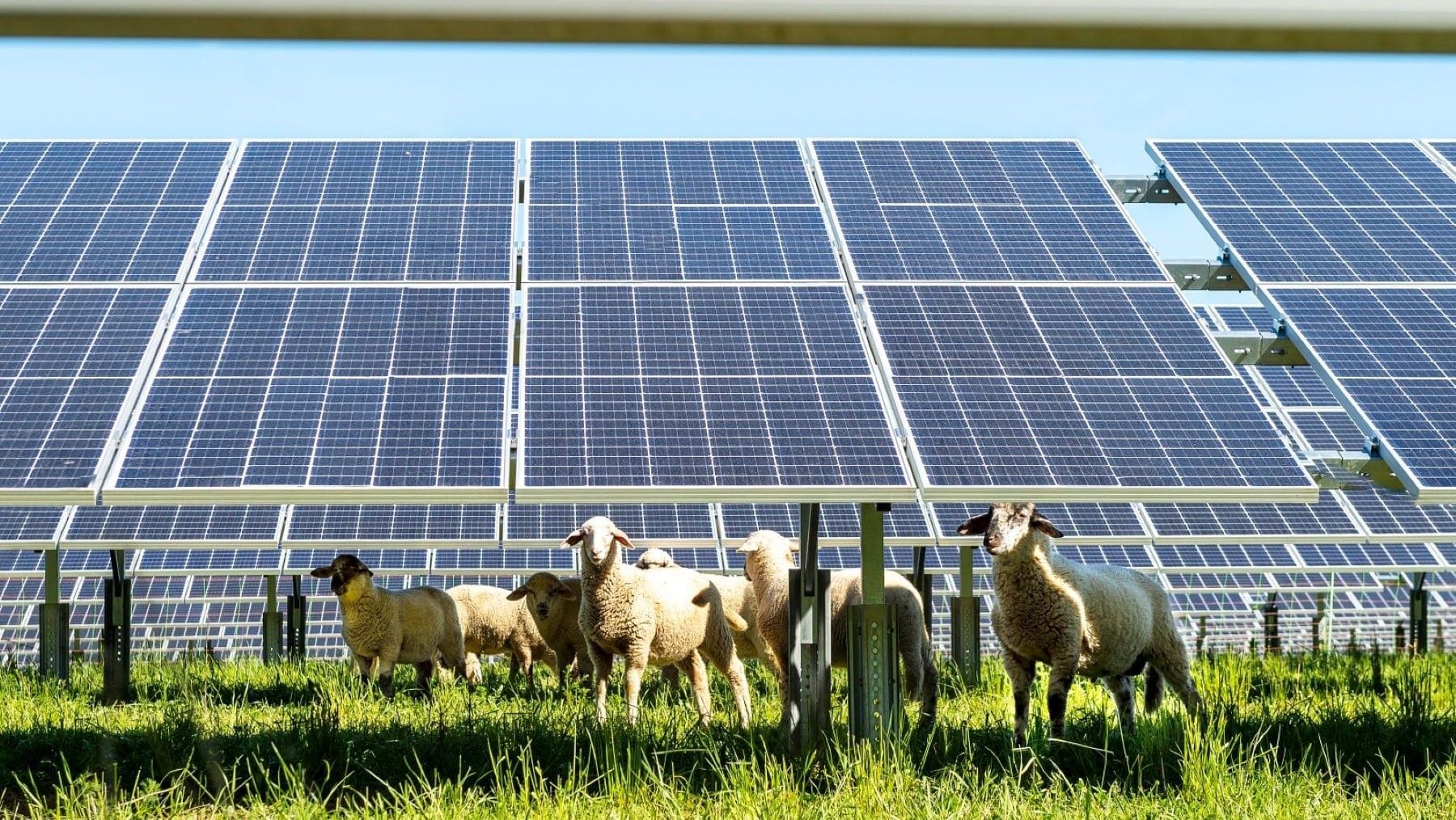
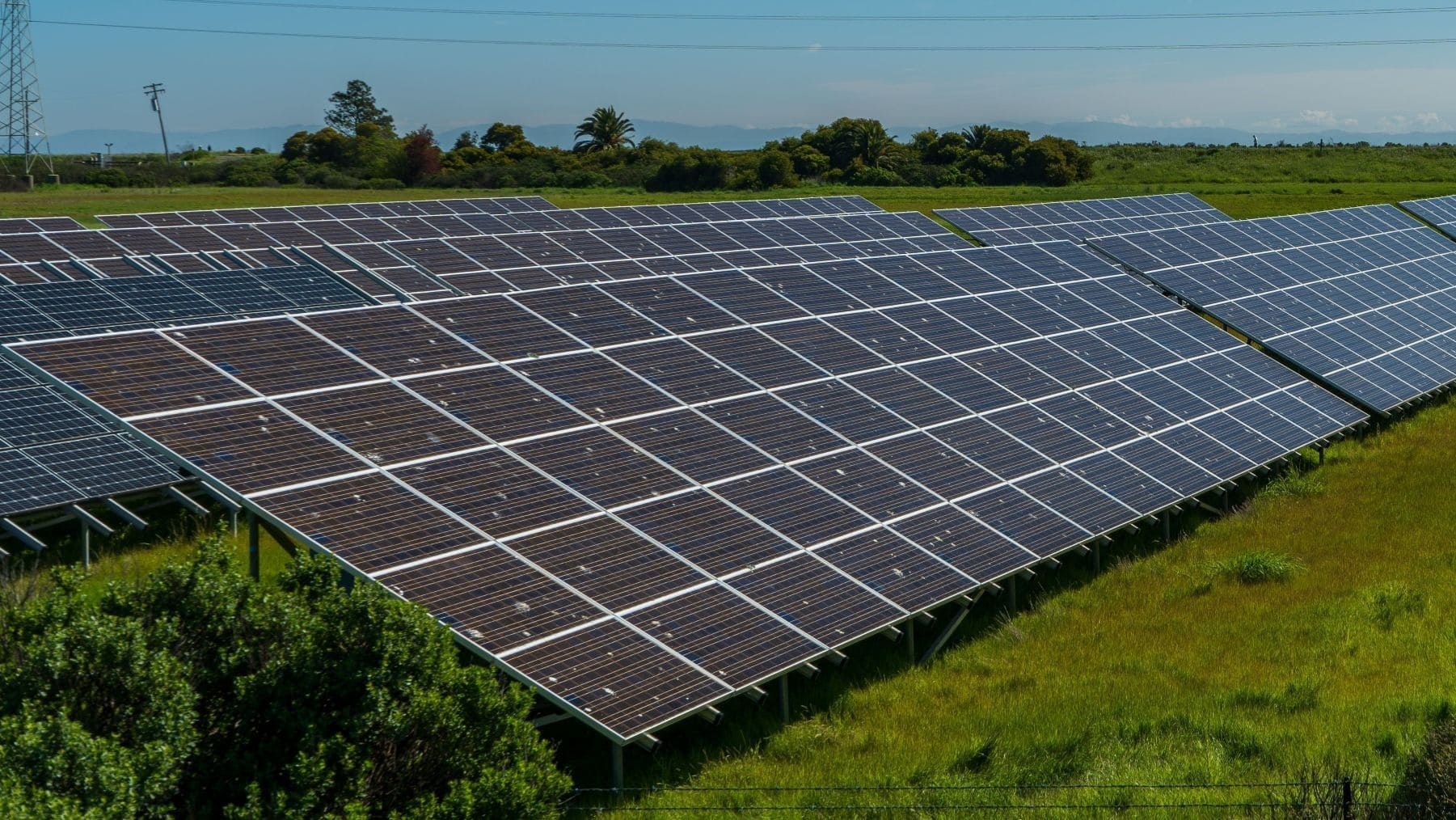
Almost all of the contracts were awarded to solar projects, 33 of which were ground-mounted and two were rooftop solar photovoltaic systems, for a total solar power of 257 MW.
Based on current rates posted on the utility’s web site, ground-mounted solar projects with capacities of less than or equal to 10 kilowatts can receive 64.2 cents per kilowatt hour, while rooftop solar installations with the same capacity receives 80.2 cents/kWh.
The rest of the projects were awarded to onshore wind farms totaling 615 MW, and a 500-kW hydropower station.
The wind contracts were won by Nigig Power Corporation for a 300-MW project in northern Ontario; Renewable Energy Business for a 230-MW project in the Niagara region; Windlectric for a planned 75-MW project on Stella Island in Lake Ontario; and a 10-MW wind farm proposed by UDI Renewables.
To support local industries, the scheme requires developers to have a certain percentage of their equipment and services made in the province.
Ontario Power Authority previously awarded contracts to 184 large-scale renewable energy projects, projects exceeding 500 kW in capacity, at the first phase of the scheme in April last year. It was expected to create 20,000 jobs and attract about $9 billion in private sector investment.
Projects for the first period were also dominated by solar ones, with 76 ground-mounted and one roof top.
Japan objects
Implemented by Prime Minister Dalton McGuinty’s liberal government in 2009, Ontario’s feed-in tariff scheme is said to be North America’s first guaranteed pricing structure for renewable electricity production.
It was enforced through the Green Energy Act, which was passed into law on May 14, 2009 as a means to increase renewable energy generation and eliminate coal-fired energy by the end of 2014.
However, the program is being strongly criticized by Japan, which submitted a complaint to the World Trade Organization in September 13, 2010. The controversy stems from the domestic content requirement of the scheme which requires participant projects to have as much as 60 percent of its parts to be Ontario-made.
“Solar panels or other equipments exported by Japanese companies to Ontario are less favorably treated than those locally produced,” the Japanese Ministry of Economy, Trade and Industry said in a statement.
The scheme’s future is also caught up ahead of October’s provincial election. Conservative leader Tim Hudak, as reported in the Ottawa Citizen, has criticized the 20-year feed-in tariff contracts which pay as much as 20 times greater than the market price, as unsustainable.
“They both overpaid and ignored the fact that some locations on the grid don’t need more power,” Mr. Hudak said. “The resulting green energy gold rush created a traffic jam on the grid.”