

The Southeast Asian archipelagic nation of the Philippines is now facing the idea that extreme weather brought on by climate change is the “new normal.”
After being pummeled by several weeks of rain, the last days of which accelerated into heavy, non-stop outpouring, floods struck the nation this week. High water was reported in communities across the country – including capital Manila.
Manila, both the seat of government and the heart of industry, was brought to a standstill on Tuesday.
Around 504 millimeters of rain drenched the city with rising waters quickly blocking roads and flooding homes and businesses, prompting President Benigno Aquino to order work suspended at government and private offices around the capital region.
On Tuesday alone, flooding forced more than 780,000 people across the nation from their homes with around 242,000 fleeing to emergency shelters.
As of Thursday, according to the country’s National Disaster Risk Reduction and Management Council, around 19 people have died with some 1.9 million people affected and 538,445 in evacuation centers.
This spate of heavy rains and flooding follow two of the worst weather-related incidents the country has seen in recent history. Typhoon Ketsana (local name “Ondoy”), in October 2009 left 464 dead, while tropical cyclone Washi (“Sendong”) hit the major island of Mindanao on December last year, killing 1,268 people and causing around $48.4 million in damages, mostly in the island of Mindanao.
Despite its devastating effects, the current spate of bad weather in the Philippines was not brought on by yet another big storm – but “normal” summer monsoons enhanced by the effects of Tropical Storm Haikui which passed nearby on its way toward China.
It was a “normal” that the country is not yet prepared for but which politicians are already saying as manifestations of climate change.
“New normal”
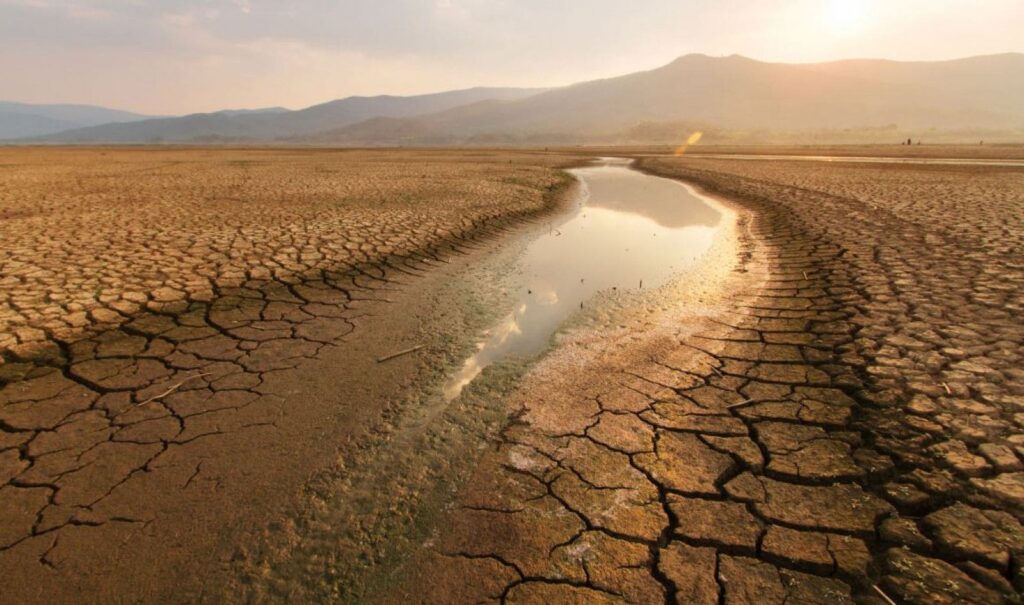
According to the Department of Environment and Natural Resources secretary Ramon J.P. Paje, the “new normal” that Filipinos must learn to accept will indeed include the growing intensity of typhoons, a greater volume of water with storm or monsoon rains, and a long drought during the country’s dry season.
“There is nothing we could do but to adapt to climate change and the only way we could be prepared for the impact of climate change is to accept that these recent developments in our country like intense weather disturbances, heavy rainfall, as well as long dry season are now the new normal,” he said in a statement.
According to Mr. Paje, the Philippines has been identified to be highly vulnerable to the impacts of climate change and the government has been working on long-term solutions to minimize damage on people and government infrastructures.
Mr. Paje’s sentiments were echoes in a statement from Philippine senator Loren Legarda, chair of the Senate Committee on Climate Change, who said serious flood prevention and mitigation measures should be undertaken at the local level.
These measures would include improvements to the drainage systems, the clean-up of rivers and other waterways, the relocation of informal settlers along waterways and effective solid waste management.
“The kind of weather we have experienced in the past days and weeks is part of the ‘new norm.’ This is climate change,” the senator said.
“And while we experience weather disturbances that bring stronger winds and heavier rains, we have to strengthen our efforts in preparing our communities. We need to recover and rebuild our lives with this in mind. We need to build back better, by further reducing people’s vulnerability, by further building our resilience to floods.”
Ms. Legarda pointed out that the country has several laws and policies in place to help mitigate the effects of extreme weather conditions brought about by climate change such as the Ecological Solid Waste Management Act, Clean Water Act, Climate Change Act of 2009 and Disaster Risk Reduction and Management Act of 2010.