En concreto, el grupo, fruto de la fusión de Iberdrola USA y UIL Holdings, está desarrollando el proyecto de Desert Wind, en Carolina del Norte, que contará con una potencia instalada de 208 MW y que entrará en funcionamiento este próximo ejercicio.
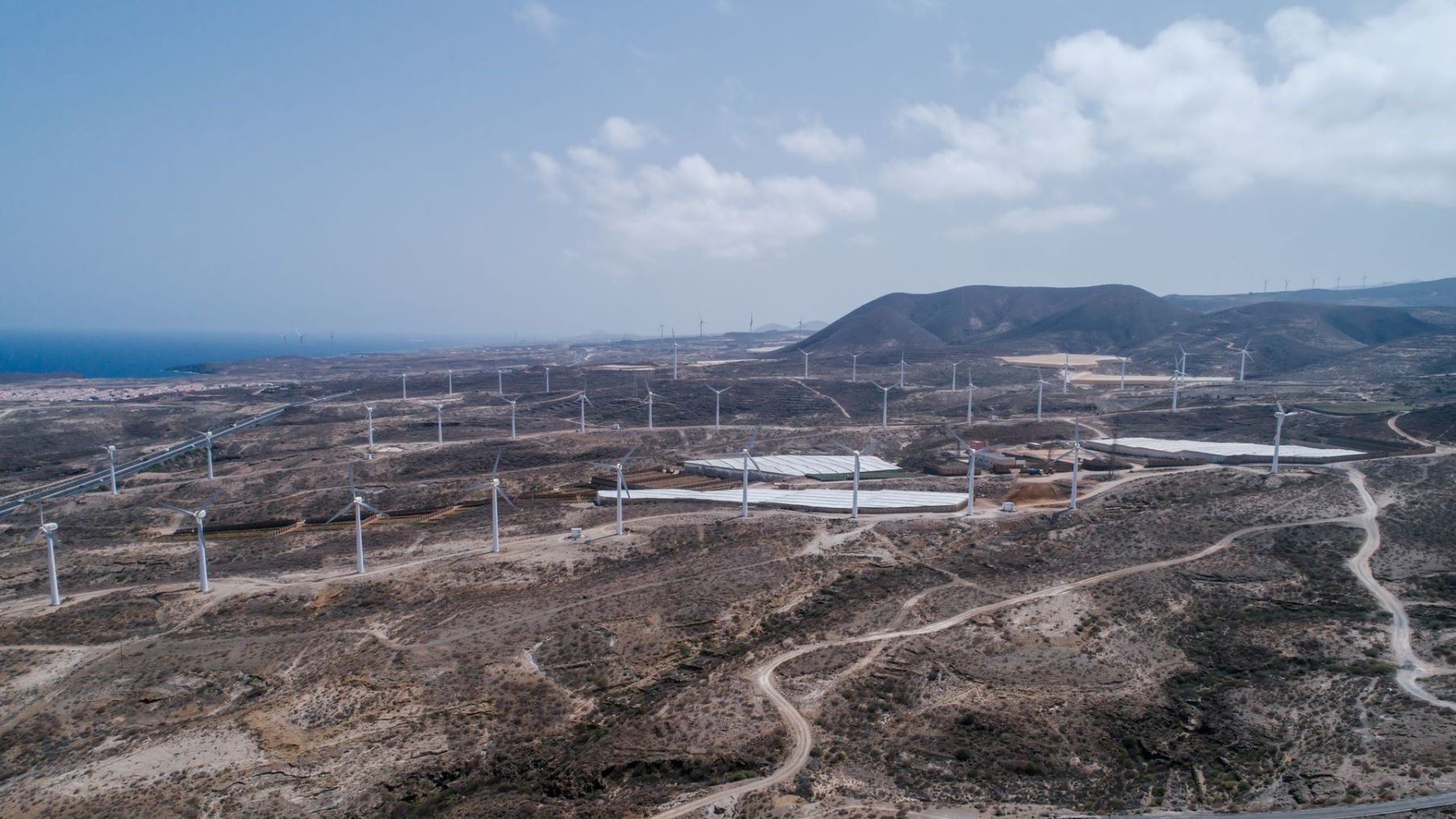
Avangrid, la filial estadounidense de Iberdrola, pondrá en operación un total de cinco parques eólicos en los dos próximos años en Estados Unidos, con una potencia total de 746 megavatios (MW).
En concreto, el grupo, fruto de la fusión de Iberdrola USA y UIL Holdings, está desarrollando el proyecto de Desert Wind, en Carolina del Norte, que contará con una potencia instalada de 208 MW y que entrará en funcionamiento este próximo ejercicio.
Para 2017, el grupo prevé que entren en operación hasta un total de cuatro parques eólicos: Tule (California), de 131 MW; Deerfield, de 30 MW (Vermont); Twin Buttes (Colorado), de 79 MW, y El Cabo (Nuevo México), de 298 MW.
Además, la filial estadounidense de Iberdrola cuenta con una cartera de proyectos renovables de 5.900 MW en Estados Unidos, según una presentación para analistas del grupo.
DIVIDENDO.
Dentro de su política de dividendo, Avangrid contará con un ‘pay out’ entre el 65% y el 75%. El dividendo anual se mantiene en los 1,728 dólares por acción.
Con cifras de 2014, Avangrid, que emplea a unas 7.000 personas, presentaba un resultado bruto de explotación (Ebitda) de 1.938 millones de dólares (unos 1.766,18 millones de euros) y un beneficio de 539 millones de dólares (unos 491,14 millones de euros).
El grupo suma 3,1 millones de puntos de suministro y unos 6.800 MW de capacidad instalada, de los que unos 5.800 MW son de energías renovables.
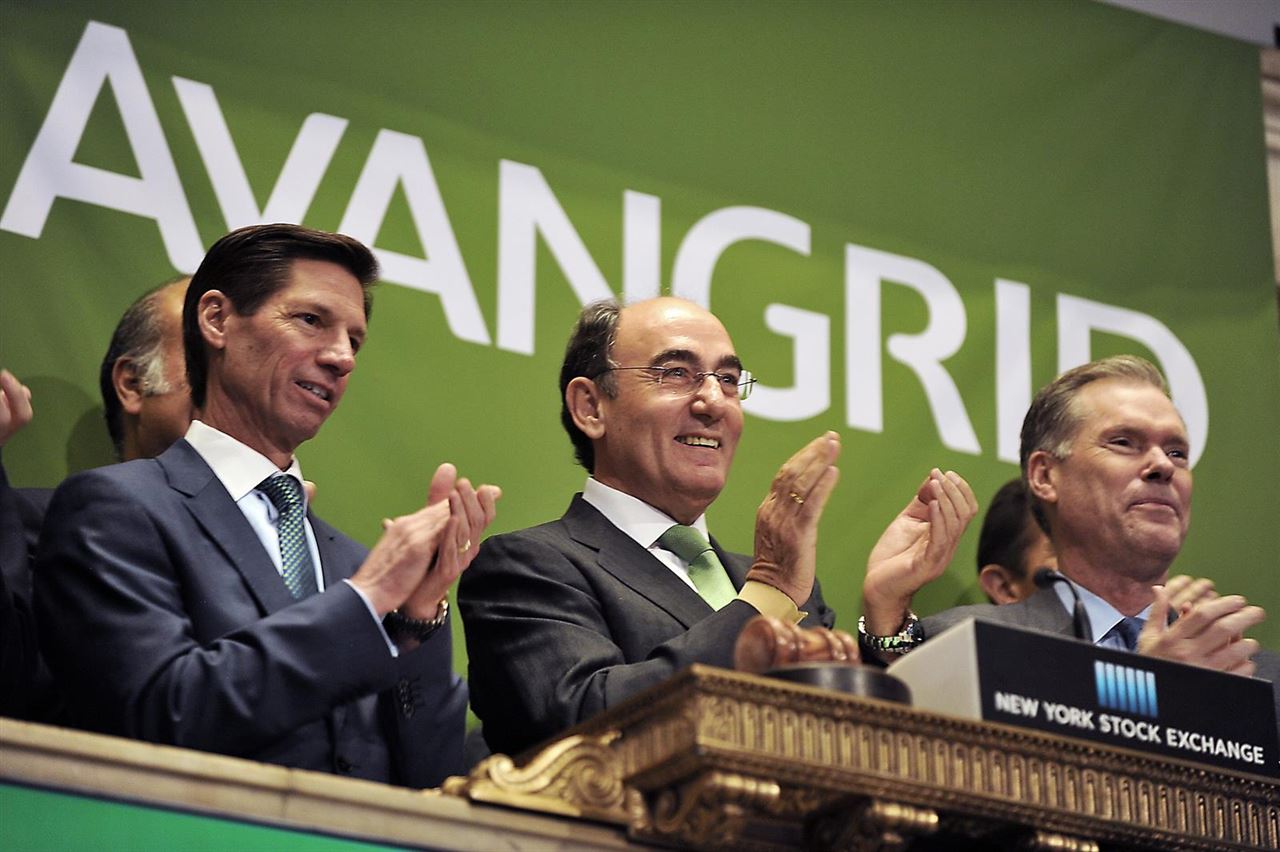
Avangrid se estrenó el pasado 17 de diciembre en Wall Street con una valoración de 11.993 millones de dólares (unos 11.087 millones de euros). La nueva compañía cuenta con activos valorados en más de 30.000 millones de dólares (27.740 millones de euros).
El grupo está participado en un 81,5% por Iberdrola y en un 18,5% por los antiguos accionistas de la americana UIL Holdings Corporation.
El consejo de administración de la nueva compañía está integrado por 12 miembros, de los que tres son aportados por UIL Holdings Corporation.
El equipo directivo, por otro lado, está liderado por James P. Torgerson, nuevo consejero delegado de Avangrid, puesto que ocupaba anteriormente en UIL Holdings Corporation.
ep