Tranche 2 of the bank’s Umbrella Carbon Facility is now operational with an initial funding of 68 million euros ($88.8 million) from the Deutsche Bank, G.D.F. SUEZ and the Swedish Energy Agency. It will be the second tranche under the facility, each buying emission reductions from one or more individual projects or a program.
The four-year-old facility pools the funds for the purchase on behalf of interested public and private entities striving to meet their commitments under the Kyoto or other international regulatory system, such as the European Emission Trading System. Ideally, the scheme will repay investors in carbon credits.
Credit sales are then split between country governments and companies to help them meet their own emission reduction obligations. Under current pricing scenarios, some of these purchases could reach $200 million to $600 million, particularly in East Asia, South Asia and Latin America.
The new tranche is now considering 17 projects and programs for approval, which are expected to prevent a total of 26 megatons of greenhouse gases from reaching the atmosphere from 2013 to 2018. The bank is calling for more participants to join the extended scheme to reach a total capitalization of 105 million euros.
“During a period of regulatory uncertainty, the [Umbrella Carbon Facility Tranche 2] is helping to maintain demand for post-2012 carbon credits. It means we have another tool to help bridge the gap in the carbon markets,” said Joëlle Chassard, manager of the World Bank’s Carbon Finance Unit.
HFC-23 free?
In comparison, the earlier tranche included 16 participants and managed to reach 775 million euro capitalization. It closed in 2006 after purchasing carbon credits from two hydroflourocarbon-23 (HFC-23) incineration projects in China.
Projects that destroy HFC-23 has been very controversial since last year, with the United Nations Clean Development Mechanism executive board suspending the issuance of HFC carbon credits to investigate claims that some groups are manipulating the $2.7 billion scheme to their advantage.
With the credibility of HFC-23 credits on the line, possible restrictions that may lead this potent greenhouse gas to be excluded in carbon markets globally could severe the large implications, especially on companies that rely on carbon credit sale to finance their capital expenditure plans.
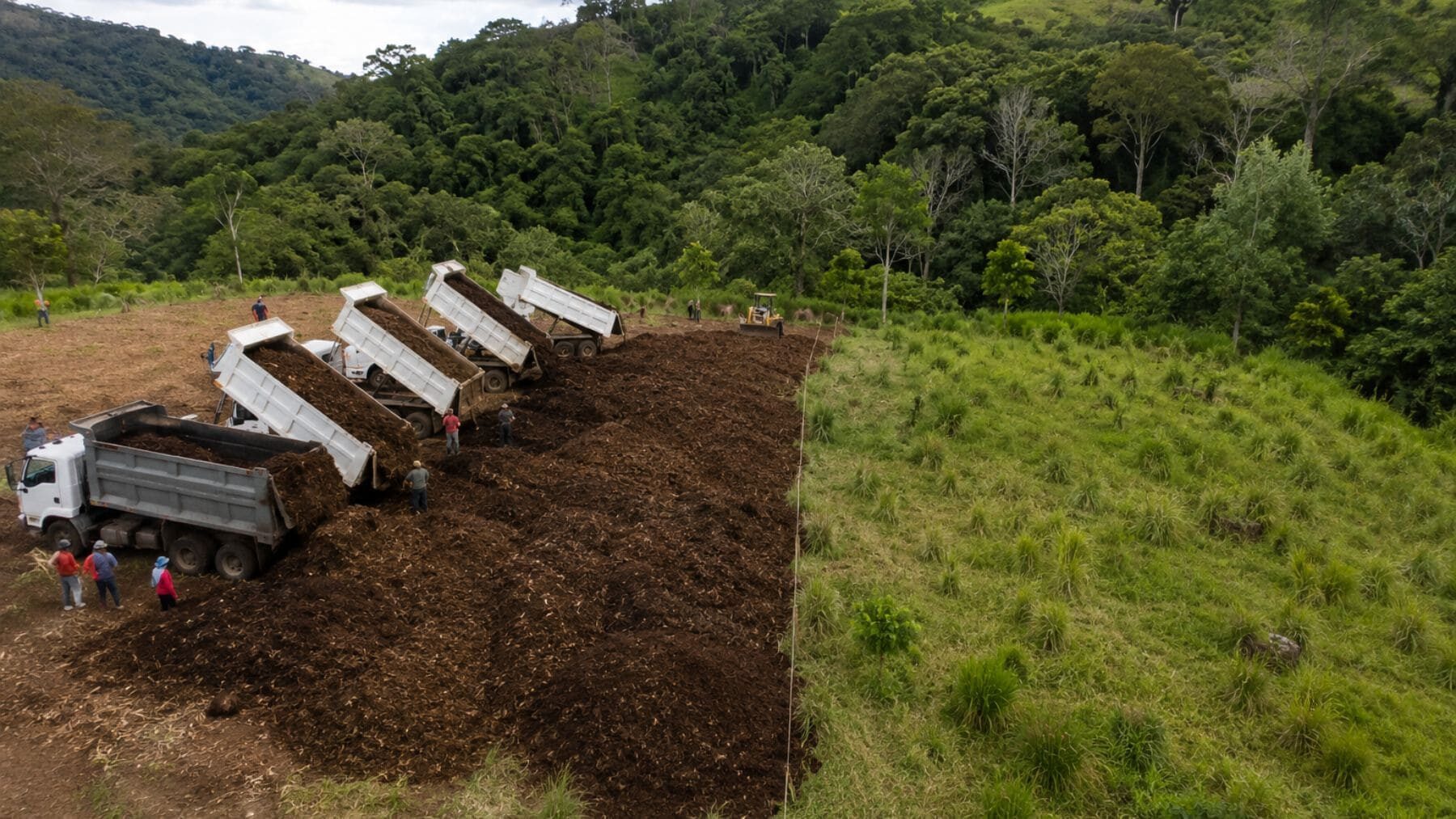
However, the World Bank assured fund participants projects will be geographically and sectorally diverse. Details were still unclear, but the bank said four of the projects will be from Africa, while projects will range from landfill and composting projects to urban transport, energy efficiency and renewable energy initiatives.
The European Commission, home to the world’s biggest emissions trading market, will vote whether to ban the sale of HFC-23 credits over allegations that some companies are deliberately produce more quantities of it than necessary in order to win extra credits.
Fitch Ratings said the credit ratings and expected revenues through 2018 from HFC-23 carbon credits of Indian chemical manufacturers could be put at risk. Chinese chemical makers could also feel the pressure of possible complications since 51 percent of the 430 million emission credits issued by the United Nations up to 2010 are HFC-23 mitigation projects.
The funds raised for Tranche 2 increases the amount of capital managed by the World Bank Carbon Finance Unit to over $2.5 billion. The bank manages 11 carbon funds and facilities comprised of both public and private sector participants that work to expand carbon markets.