Sulfur dioxide emissions rising with growing economies, researchers say
· 2 min de lectura
The new analysis, which appears in the journal Atmospheric Chemistry and Physics, seeks to get an accurate reading on sulfur emissions in order to help predict future changes in climate and determine present day effects on the environment and human health.
“Sulfur dioxide is an important component of the atmosphere. It changes the relative balance of the earth by influencing the amount of the sun’s energy that warms the globe,” said lead author Steven Smith of the Joint Global Change Research Institute, a collaboration between the Department of Energy’s Pacific Northwest National Laboratory and the University of Maryland.
Sulfur dioxide is a serious air pollutant and a major component of acid rain. In the air, it can form tiny particles called aerosols. These particles can potentially change rainfall amounts as well as affect the acidity of the drops and acidify soil and bodies of water. Acid rain also has corrosive effects and can damage man-made structures as well as harm plant and animal life.
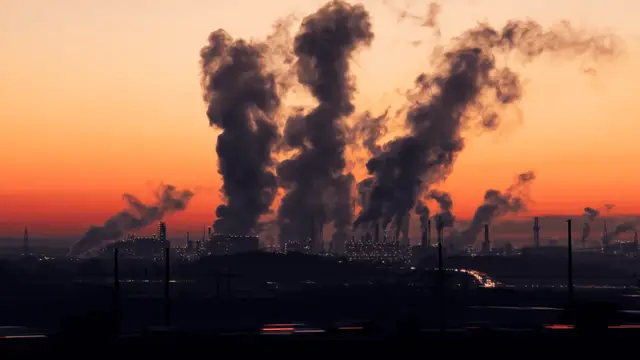
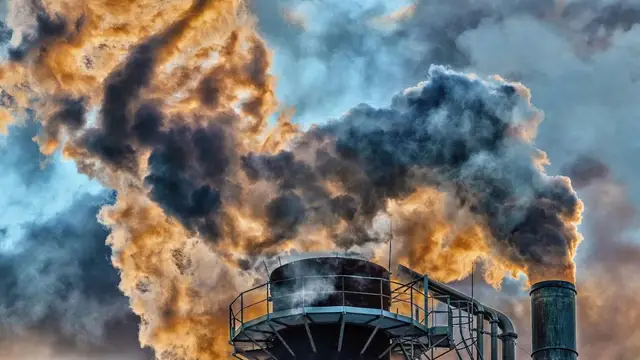
Sulfur dioxide emissions in the atmosphere occur naturally from volcanic eruptions but they are also a by-product of combustion activities. As such, the levels of sulfur dioxide have increased with the dawn of the industrial age.
Mr. Smith and his colleagues analyzed data from 140 countries about sulfur-emitting activities from the approximate beginning of the Industrial Age in 1850 till 2005. These activities included coal burning, copper smelting and the use of fossil fuels.
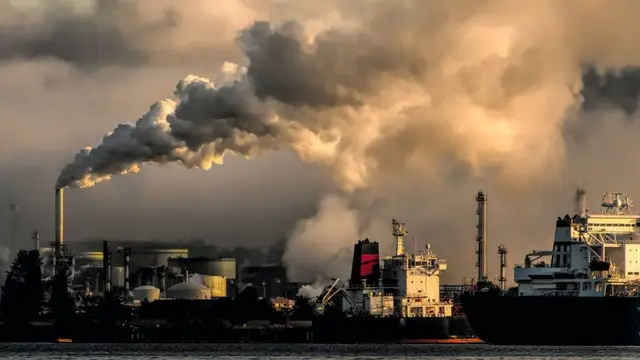
In the 1970s, man-made sulfur dioxide emissions by country showed a decline, as shown by historically large emitters such as Europe and the United States. However, the emissions from growing economies up to 2005 were rising.
Most notable, was the rise in emissions from China which came in at 28 percent of the global total in 2005 from about 2 percent in 1950.
Total global emissions were said to have risen dramatically from 1850 to the 1960s, plateaud and then decreased after 1990 and then started to rise again in 2000.
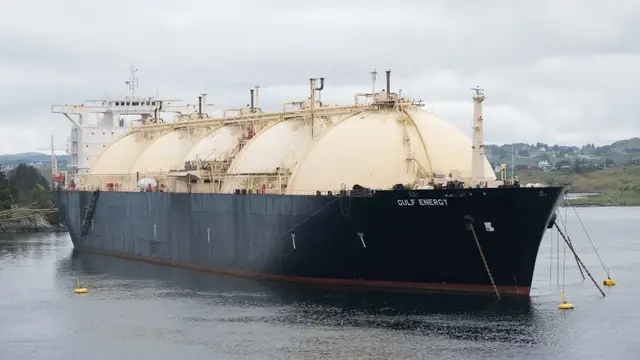
Aside from rising emissions from developing countries, the researchers feel that the increase in emissions is also due to the rise of international shipping.
International shipping now constitutes 10 percent of the global transportation total and is not yet subject to less stringent scrutiny with regards to its emissions. The international shipping industry generally uses a lower quality, higher sulfur content fuel than other transportation modes.
Comentarios · 0
Normas ›Todavía no hay comentarios. Sé el primero en opinar.