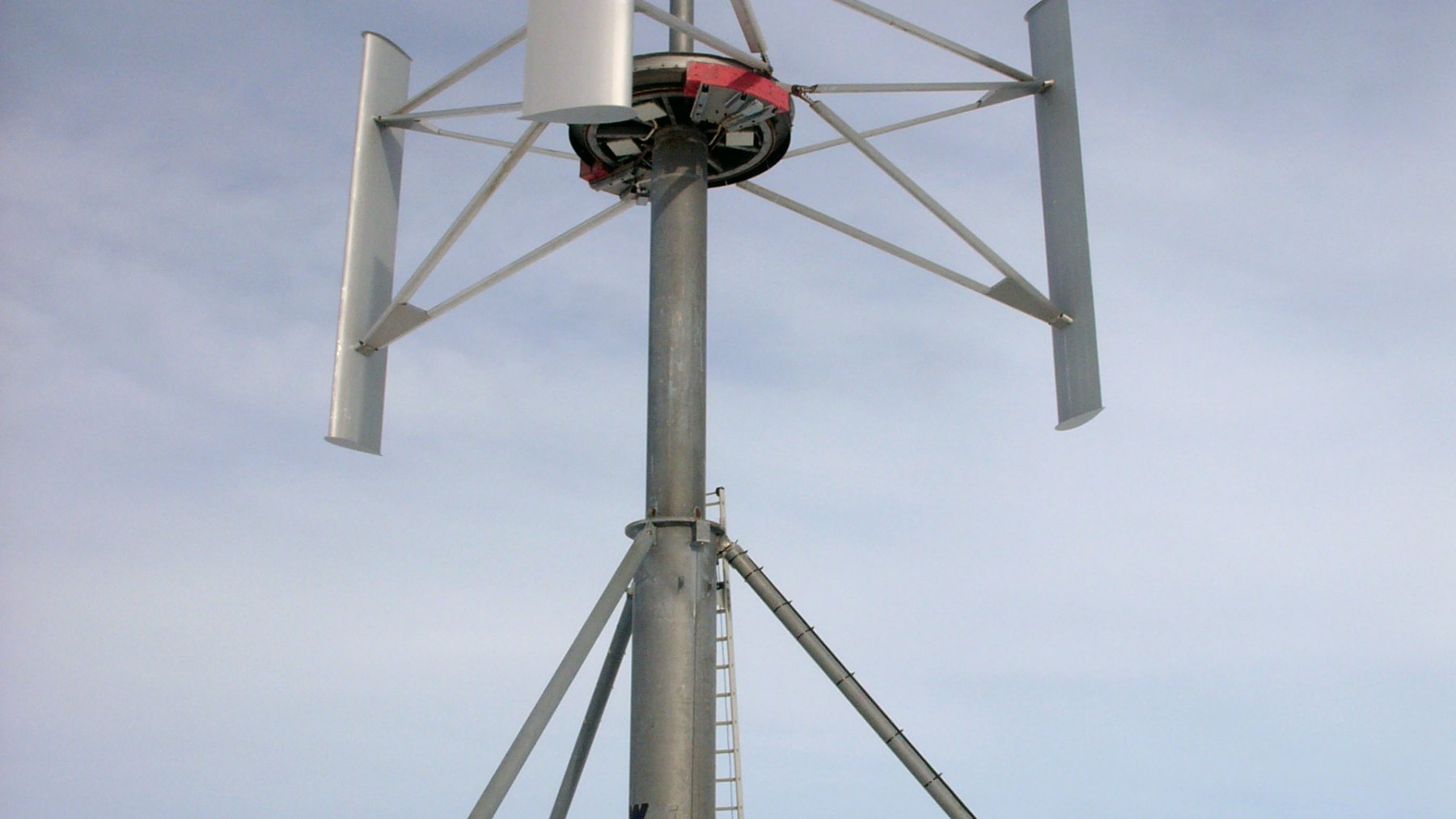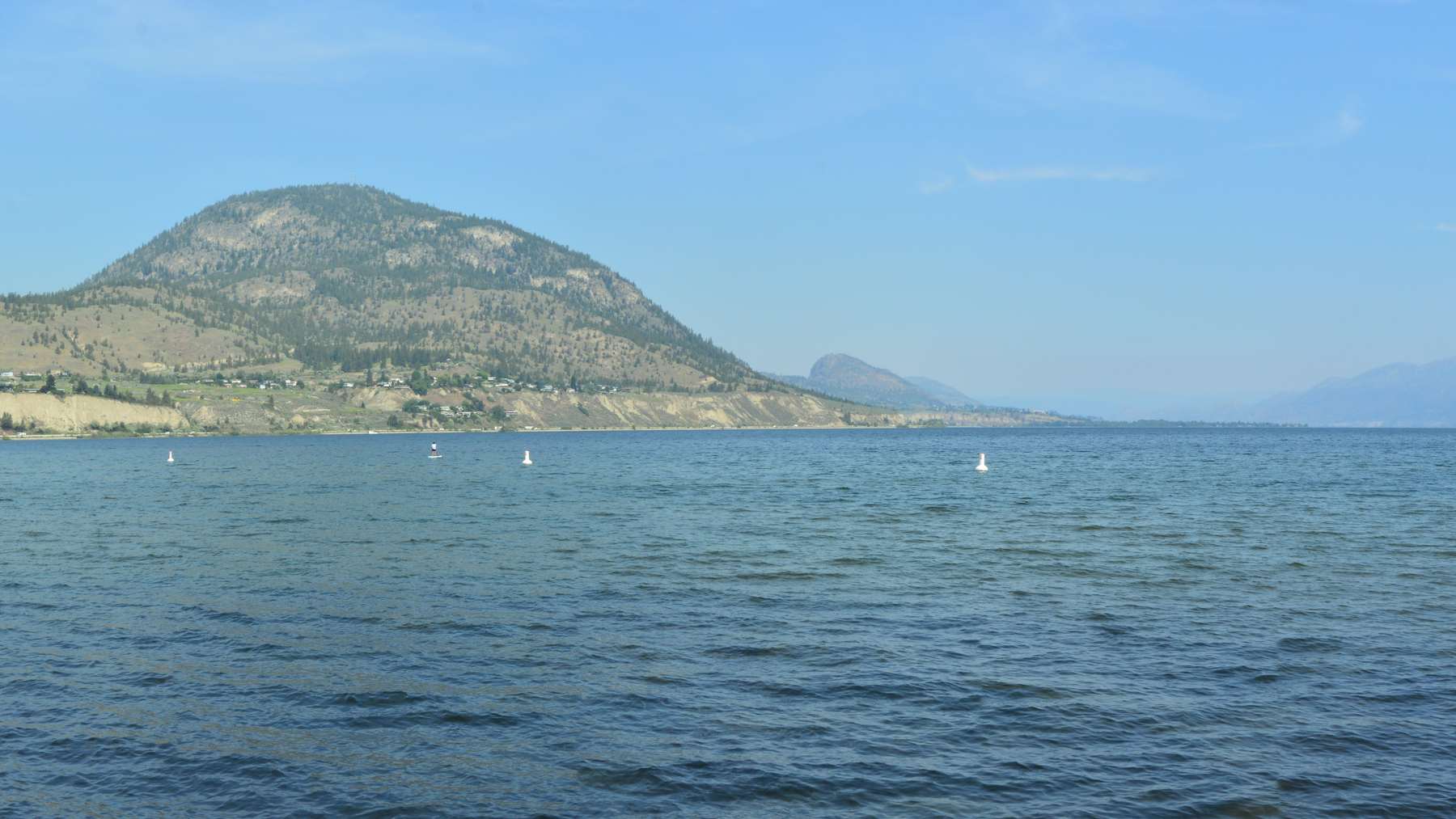
Could 575 GW of untapped force lie beneath the surface of five Great Lakes? According to current findings, wave and offshore wind energy in this vast freshwater system could contain approximately 575 gigawatts (GW) of potential, a figure that can compete and beat some of the world’s largest renewable energy regions. While currents and breezes flow invisibly across the lakes, researchers are trying to capture and convert them into usable power.
Understanding what 575 GW is?
As has been stated by the National Renewable Energy Laboratory (NREL), the Great Lakes contain an offshore wind energy potential of over 500 GW and an additional 50 to 75 GW from wave energy totaling to approximately 575 GW. What this number means is that the Great Lakes has to potential to power hundreds of millions of homes which far exceeds what the United States requires.
The beauty is that offshore wind alone is the reason for this amazing figure. It is the consistent and strong winds over the expansive surfaces of lakes such as Superior, Michigan, Huron, Erie, and Ontario that make them ideal locations for wind turbine installations. Due to the lakes’ freshwater conditions, far less corrosion and wear and tear can be predicted for lake-based wind turbine installations.
Wave energy is gaining attention as wave heights, particularly in Lake Superior, can reach 10 to 15 feet during major storms. Average waves of 2 to 3 feet contain considerable energy that can also be harvested and stored.
An invisible engine beneath the surface of the Great Lakes
Among the researchers exploring how to harness wave power from Lake Superior is Dr. Craig Hill, Assistant Professor at the University of Minnesota Duluth. Dr. Hill states that the lake’s dynamic storm systems are a clean energy opportunity. According to Hill, “We could power tens of thousands of homes from the waves in those storms.”
However, the challenge is posed by the fact that the intermittency of waves in the Great Lakes is seasonal. Nevertheless, this variability makes the region a perfect real-world test bed for developing robust, efficient Wave Energy Converters (WECs). Hill and his team are experimenting with devices such as point absorber WECs, which can float offshore and generate power from vertical wave movements.
It is the fact that there are relatively calm summer months which are followed by intense autumn and thereafter winter storms that makes using such devices an attractive option. The device could thus be tested under a wide range of conditions including still water and water with 15-foot waves.
Understanding the environmental challenges
Despite the figures being promising, the process of transforming invisible currents into a reliable power source will mean overcoming both technical and ecological hurdles. Suitable storage solutions, such as pumped storage hydropower, are required for wave energy. Then again, large-scale deployment must be thoroughly evaluated for its potential impact on aquatic ecosystems, shorelines, and maritime industries.
The other challenge is that of constructing offshore turbines in lakes for harnessing wind energy. Aside from just logistical and political challenges, gaining public support to navigate state and federal regulatory frameworks is equally important. The region’s deep-water zones will require floating turbines, a relatively new but rapidly developing technology.
Understanding the Great Lakes as a renewable powerhouse
Engineers, scientists, as well as policymakers are beginning to recognize that these inland seas are viable players in the global clean energy movement.
Like the news of the hydrogen buried under green lakes in America, we know that the Great Lakes hides invisible potential, too. Knowing that 575 GW is hiding between the waves and winds means that we need to uncover how this energy can be untapped and how soon it can be untapped.
For more information about this discovery, you can read the full study from the National Renewable Energy Laboratory.