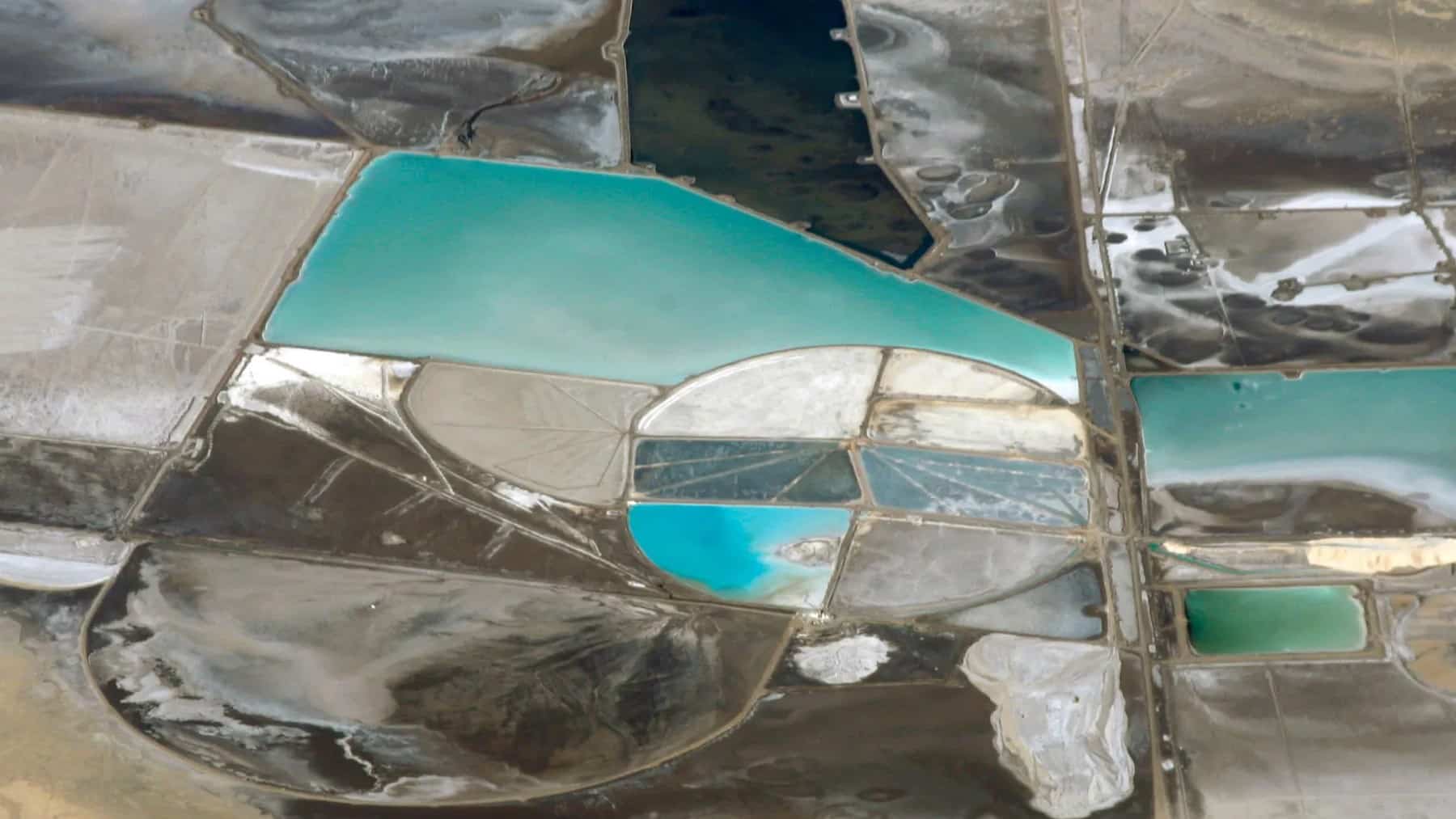
In recent years, the world has engaged in a quiet but fierce race for control of one of the most important resources in the energy transition: lithium. This lightweight metal, essential for electric car batteries, energy storage, and even aerospace systems, has become a central player in the geopolitical struggle. However, while China dominates much of global mining and, especially, refining, the United States has always been in the rearguard, at least until now. The US has just opened the most strategic mine in history.
From desert to device: how a forgotten valley powers America’s lithium future
In the heart of Nevada lies a scene that looks like something out of a science fiction film, and for decades, it went unnoticed by the general public. However, this place holds a trump card: it is currently the only active source of lithium produced on American soil, supporting industries ranging from the smartphone in your pocket to NASA’s space program.
The place we’re talking about is Silver Peak. Located in Clayton Valley, the mine has been in operation since the 1960s, taking advantage of near-perfect natural conditions: an arid climate, 300 days of sunshine per year, and geology that concentrates lithium-rich brines hundreds of meters below the surface. It’s worth noting that he’s not exaggerating, because the extraction process there uses solar energy to evaporate water and concentrate the metal efficiently and relatively cleanly.
Boom, bust, and brine: can Silver Peak keep America’s lithium dream alive?
Today, Silver Peak supports almost all American production, but the story doesn’t end there. This is because Albemarle had plans to double production capacity as part of a move to create a domestic supply chain, reducing dependence on China. More technically, this process is quite meticulous and can take months:
- Pump brine, four times saltier than seawater, from underground aquifers to the surface.
- Naturally evaporate this water in large tanks, taking advantage of sunlight and low humidity.
- Concentrate the lithium to the point of converting it into lithium carbonate, the mineral’s commercial form.
And there’s still a challenge amid all this. We’re talking about the recent collapse in lithium prices (which is why some countries have even said goodbye to lithium).This is because, in two years, the price has fallen by about 74%, pressured by global overproduction, especially from Chinese competitors.This has forced the company to pause some expansion projects, including the construction of the country’s largest lithium refinery, planned for South Carolina.
More than metal: why Silver Peak is key to America’s energy, industry, and independence
It’s also worth noting that Silver Peak’s importance goes beyond production figures. This is because we’re talking about energy security, meaning it will reduce vulnerability in supply chains dominated by other countries; industrial independence, by supporting strategic sectors such as electric vehicles, defense, and space technology; and sustainability, by using solar energy in the evaporation process and practices to preserve groundwater resources.
Not only that, there’s also symbolic value to this whole situation. Maintaining active domestic production sends a clear message to the global market: the US is willing to compete for space in the race for white gold (in fact, a ‘volcanic white gold’ was also found in the US after 16 million years and is worth US$1.5 trillion). Kent Masters, CEO of Albemarle, also says, arguing that projects of this size need government support to compete on scale against China:
“We don’t have the confidence to say where (the lithium price) is or where it’s going, which is why we’ve kind of gone to the strategy we have of making sure that we can compete at the bottom of the cycle. I don’t think private companies are going to be able to do it on their own”.
Disclaimer: Our coverage of events affecting companies is purely informative and descriptive. Under no circumstances does it seek to promote an opinion or create a trend, nor can it be taken as investment advice or a recommendation of any kind.