The idea of turning ocean water and sunlight into clean fuel might sound like science fiction. A team in Australia has now shown it can be done in the lab, using a shimmering liquid metal called gallium to pull hydrogen from both seawater and freshwater with the help of light.
Their results, published in the journal Nature Communications, describe a system that reaches up to 12.9% efficiency while running only on water and illumination.
Hydrogen is often described as a fuel of the future because it can store renewable energy and produces only water when it burns. Most green hydrogen today is made by splitting purified water with electricity from solar or wind, which uses a lot of power and high-quality water that many regions simply do not have to spare.
The new approach from University of Sydney sidesteps both problems by letting sunlight heat and activate droplets of liquid gallium directly in ordinary water, instead of relying on big electrolysis stacks and separate desalination plants.
How liquid gallium turns sunlight and seawater into fuel
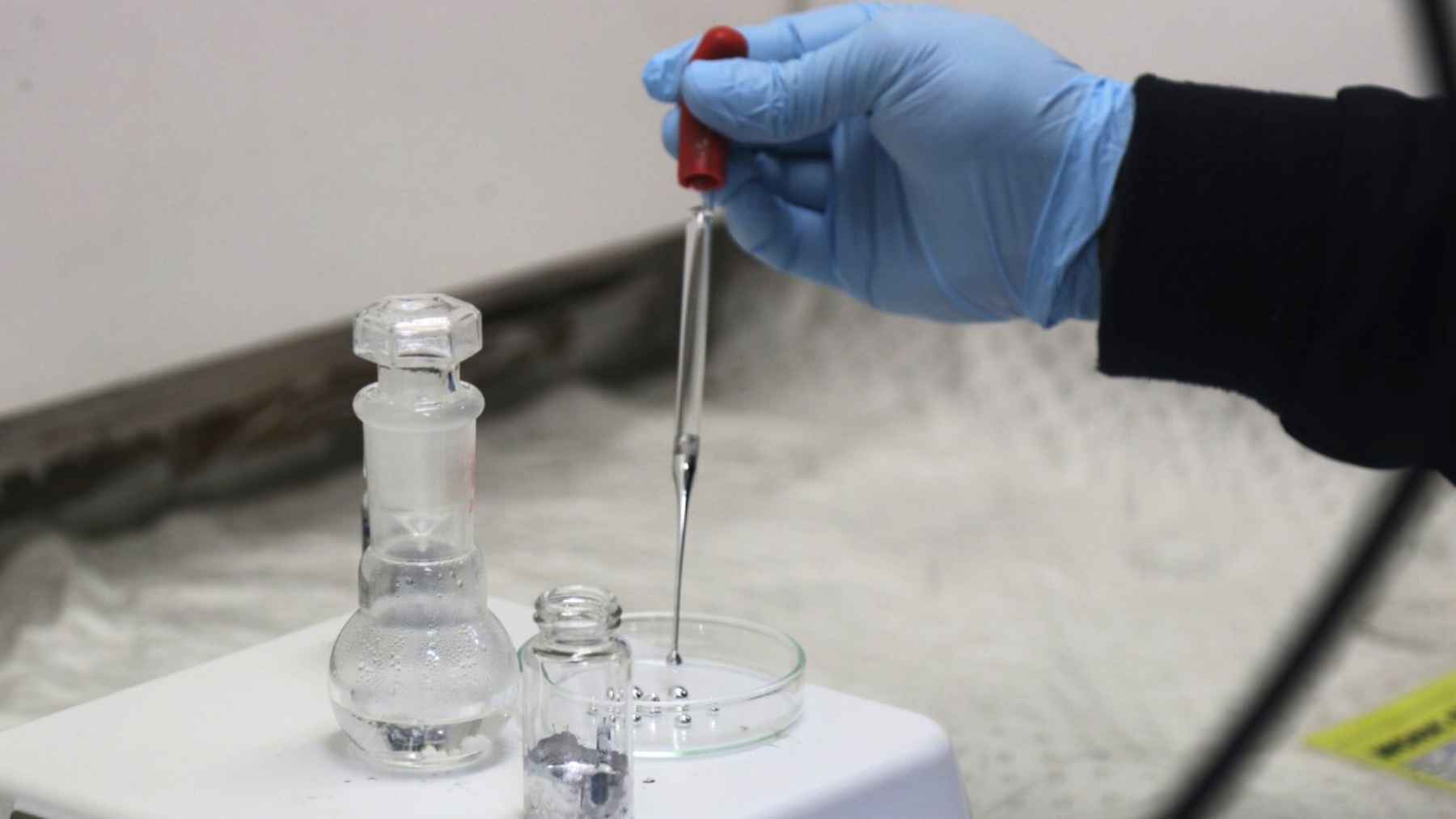
The core of the method is gallium, a silvery metal that melts just above room temperature so it can form tiny liquid droplets in water. Under light, those droplets warm up and their surfaces start to react with the surrounding water, breaking apart water molecules and releasing hydrogen gas. At the same time, the gallium at the surface changes into a compound called gallium oxyhydroxide that coats each droplet.
In earlier experiments with liquid metals, oxide skins often slowed reactions, acting a bit like a crust on a pan of soup. In the new setup, the light both heats the droplets and disrupts that thin layer, so fresh liquid metal keeps touching the water and the reaction stays fast.
Lead author Luis Campos says the team now has “a way of extracting sustainable hydrogen, using seawater, which is easily accessible, while relying solely on light for green hydrogen production.”
A circular process that recycles the metal
Once hydrogen has been released, the gallium oxyhydroxide does not go to waste. The researchers show that it can be electrochemically turned back into liquid gallium, ready to be used again in another cycle. This circular loop cuts down on chemical waste and, in principle, should make the process easier to scale without constantly buying new metal.
In tests under controlled light, the system reached a maximum efficiency of 12.9%, which senior researcher Kourosh Kalantar-Zadeh calls “highly competitive” for a first prototype. For comparison, a 2023 study in the journal Nature reported 9.2% solar-to-hydrogen efficiency for a different photocatalytic system that needed pure water and concentrated sunlight.
Taken together, these results suggest that simple light-driven setups are beginning to reach performance levels that could interest energy companies.
Why seawater hydrogen could change the energy map
Right now, most green hydrogen projects depend on large electrolysis plants that use a lot of electricity and require very pure water, which often means extra treatment when they sit by the coast. That setup can make sense for wealthy regions, but it is harder to justify in dry areas where every liter of freshwater competes with drinking supplies and agriculture.
Being able to pull hydrogen directly from seawater with sunlight and a recyclable metal could lower costs and open the door for more countries to join a global hydrogen market.
In practical terms, green hydrogen made this way could someday help power-heavy industry, long-haul trucks, or even keep the lights on at home without adding to carbon emissions or your power bill.
Experts also note that hydrogen is tricky to store and move, so cheaper production at ports or sunny coastal hubs would ease some of the pressure on energy networks farther inland. For now, those uses remain on the horizon, yet this kind of lab result helps show what a future low-carbon energy system might actually look like.

What the researchers plan to test next
The prototype runs today under controlled lab conditions, not yet on a rooftop or beside a seawater intake pipe. Project co-lead Francois Allioux says the team is working to boost efficiency and design an intermediate-scale reactor so they can see how the chemistry behaves in more realistic settings.
They also need to test how stable the gallium cycles remain over long periods and how fouling from real seawater minerals or organisms might affect performance.
Another open question is economic, since gallium is less common than many industrial metals and any real project would need a careful cost and supply analysis, along with support from funders such as the Australian Research Council Discovery Project.
If those numbers work out, the approach could strengthen the country’s ambition to become a major exporter of green hydrogen over the coming decades.
The main study has been published in Nature Communications.