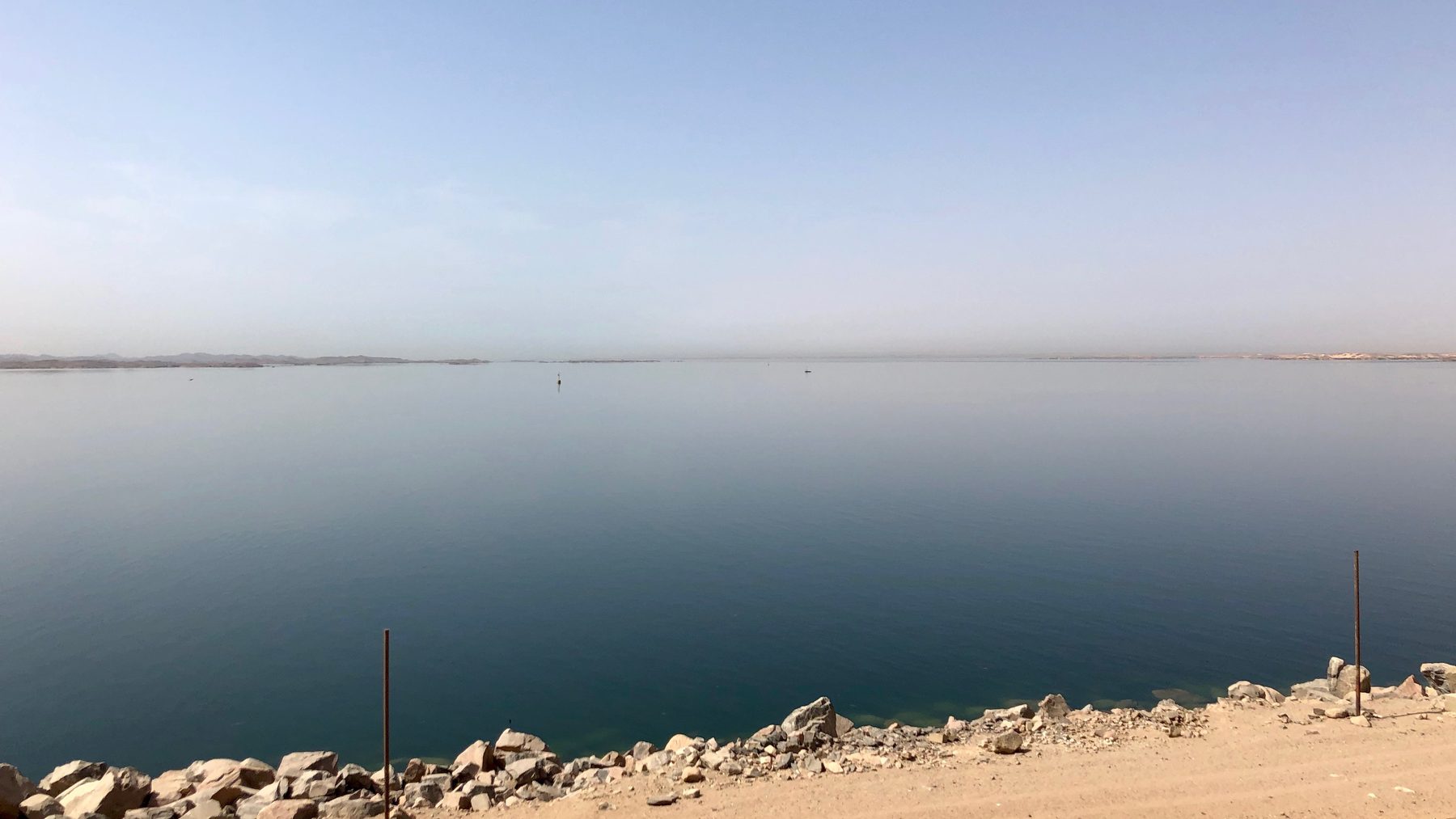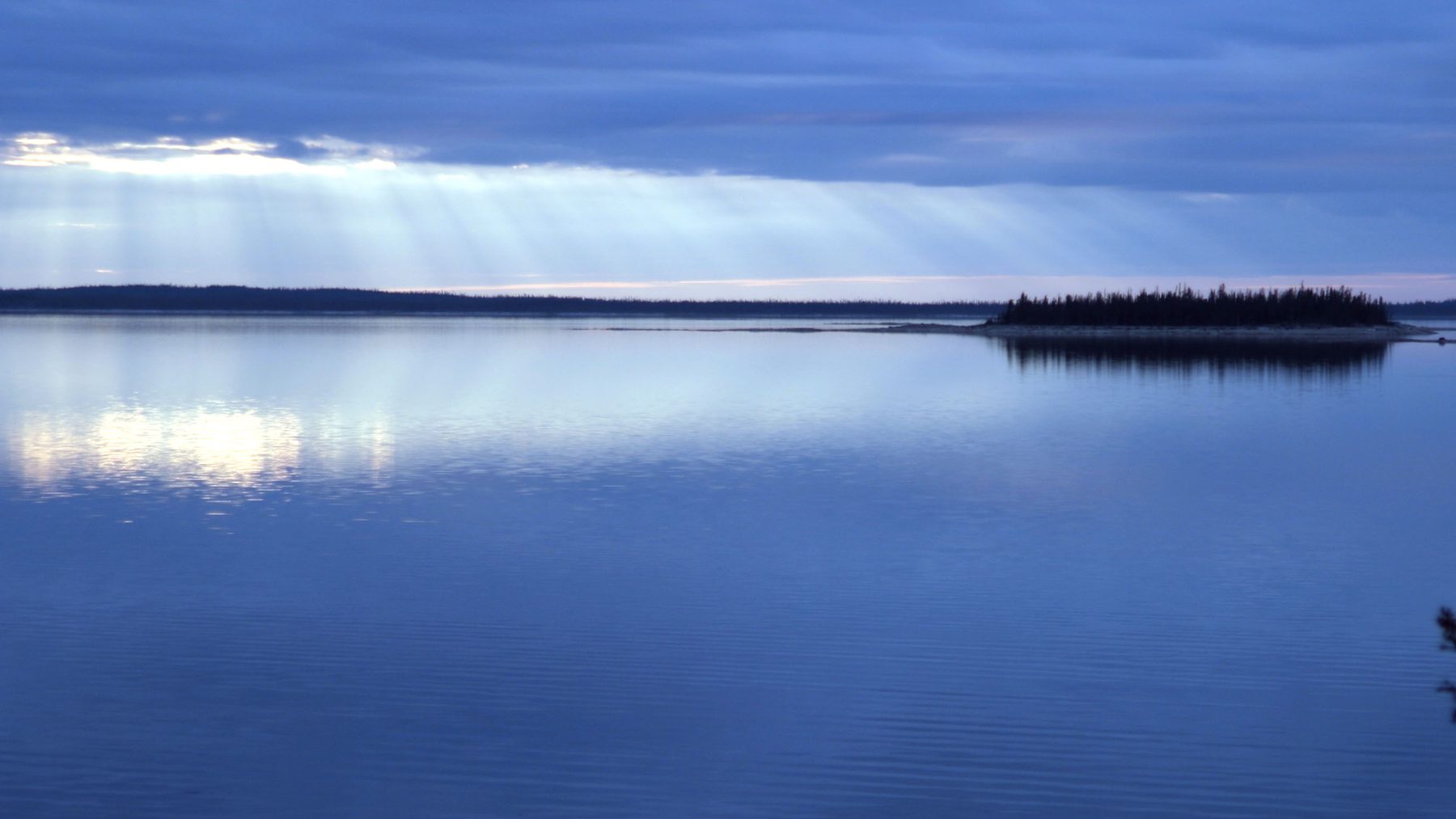
Sail about 590 miles east of Florida and you can enter a sea that never touches land. The Sargasso Sea is bounded by strong currents, not coastlines, and its surface can turn eerily calm and deep blue.
How can something so remote matter to everyday life? Long-term monitoring near Bermuda shows these waters have warmed by about 1.8°F since the 1980s, alongside rising acidity and falling oxygen. At the same time, plastic debris and heavy ship traffic are cutting through the floating “forest” that makes the Sargasso one of the Atlantic’s richest nurseries.
A sea drawn by currents, not coastlines
The Sargasso Sea sits inside a circulating system of currents (the North Atlantic Current, Canary Current, North Equatorial Current, and Antilles Current). Cross that invisible boundary and the ocean can feel like a lake in the open Atlantic, with less surf and more glassy stillness.
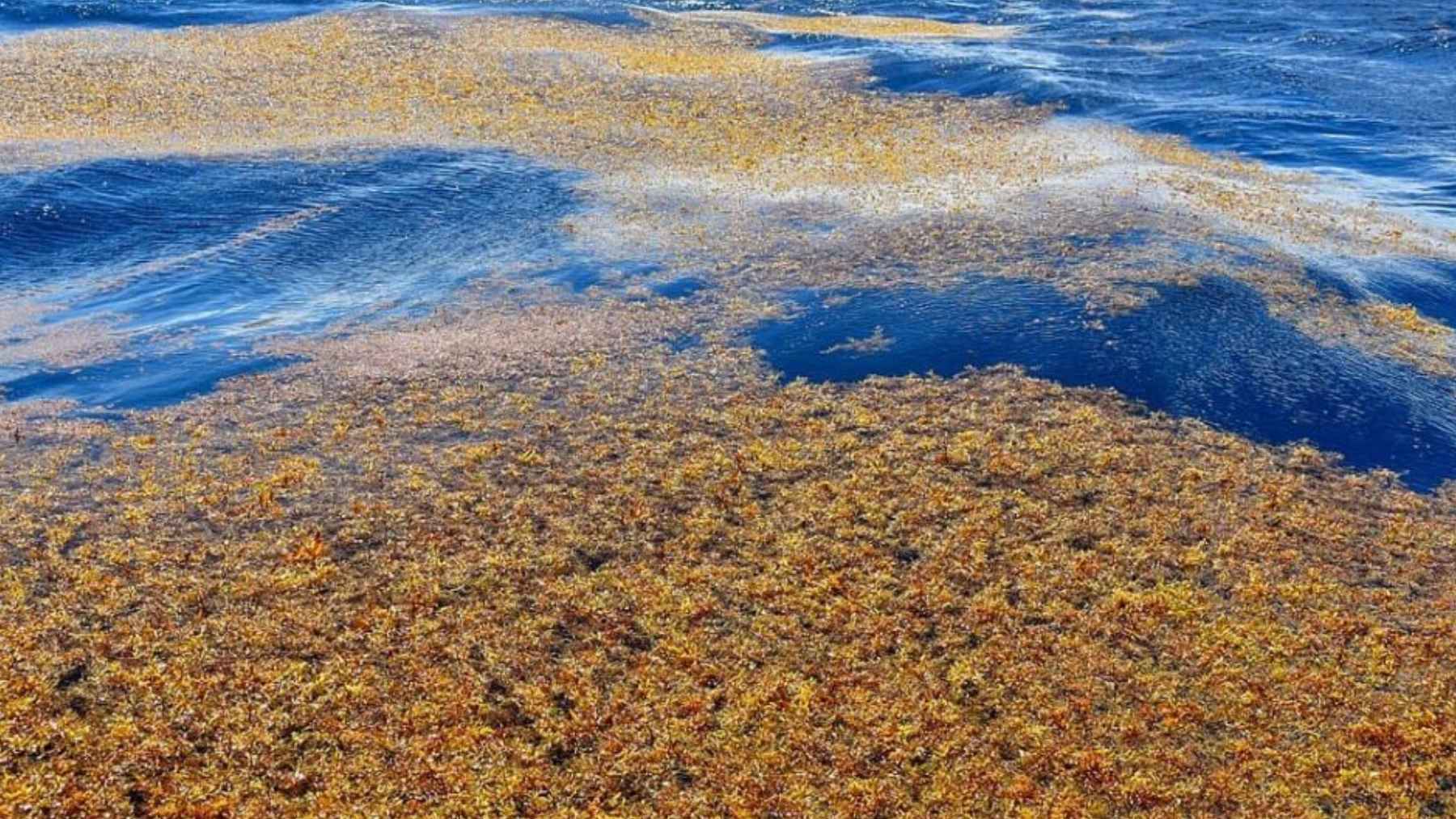
Floating on top is Sargassum, a brown-gold seaweed that drifts in mats and streaks. Early sailors sometimes feared the weed was so thick it could stall ships, and Christopher Columbus wrote in 1492 that crews worried they might “never again feel a breeze.” It is not a myth, the mats can be dense enough to change what the sea looks and feels like.
The floating forest that keeps young animals alive
Those mats are more than seaweed, they are habitat. Tiny shrimp, small crabs, and juvenile fish cling to the fronds, and young loggerhead sea turtles use the cover as they start life in the open ocean. For predators and prey alike, it is a floating neighborhood.
Scientists often describe these patches as “habitat islands,” and the phrase fits. Researchers have counted more than 100 invertebrate species living on the weed, hitching rides for months or even years until the mats break apart. If you have ever watched a leaf swirl in a gutter, imagine that, but scaled up to the size of an ocean ecosystem.
The Sargasso also plays host to some of the most dramatic migrations on Earth. European and American eels begin life here as transparent larvae, drift toward coasts and rivers, then later return to the Sargasso on a roughly 3,000-mile swim to spawn once and die. How they find the same spawning region is still not fully understood.
A quiet climate lever hiding in plain sight
The Sargasso is a nursery, but it is also part of the Atlantic’s heat and carbon system. In summer, surface waters can reach about 82 to 86°F, then cool to roughly 64 to 68°F in winter, driving seasonal mixing. That mixing helps move warm, salty water north and return cooler water south, a circulation that helps steady weather patterns across the ocean.
The open water also absorbs carbon dioxide from the air. Some of that carbon can end up locked away when plankton build shells that eventually sink, turning invisible chemistry into long-term storage. It is not flashy, but it matters.
What decades of measurements near Bermuda are now showing
Because conditions shift slowly, the most valuable clues come from long records. Scientists have tracked temperature, salinity, oxygen, and acidity near Bermuda since the 1950s, with monthly sampling that turns the ocean into a set of trend lines. Over time, those lines tell a story that a single expedition would miss.
One key change is heat. Since the 1980s, average temperatures in this part of the Sargasso have risen by about 1.8°F, and researchers also report more acidity and less dissolved oxygen than in past decades. Small numbers can still pack a punch in seawater, especially when they push conditions outside the seasonal range marine life is used to.
Warmer surface layers also resist mixing with deeper water. That can leave deeper zones with less oxygen and keep nutrients trapped below, which can ripple up the food web. In other words, the Sargasso can look calm while its chemistry shifts underneath.
Plastic and ship traffic are piling on
The same currents that “hold” the Sargasso in place can also trap trash. Plastic bags, bottle caps, and abandoned fishing gear converge from multiple directions, collecting in a slowly rotating patch. One estimate suggested about 518,000 debris fragments per square mile across stretches of ocean that run for hundreds of miles.
It is hard not to connect that to daily life. A piece of packaging lost from a landfill, a storm drain, or a fishing boat can end up here, right where young turtles once found refuge. Floating nets can turn shelter into a hazard.
Ships add another layer of stress. Propellers can shred Sargassum mats, while underwater noise from busy shipping lanes can mask the low-frequency calls of sperm whales passing beneath the surface. Even in the middle of the Atlantic, the human footprint is audible.
Protecting a sea that nobody owns
Because the Sargasso lies largely on the high seas, protecting it is complicated. The Sargasso Sea Commission, created in 2014, aims to coordinate stewardship, but it has to work through many governments and rules that were not designed for a sea without borders. The clock, meanwhile, keeps moving.
Some fixes are practical, at least on paper. Rerouting certain shipping lanes by about 50 miles to avoid the densest mats, and limiting high-risk fishing methods during peak turtle seasons, could reduce harm without shutting down commerce. Cutting plastic inputs upstream is slower, but it is still the only way to stop the “drain” from refilling.
At the end of the day, the bigger question is what happens if we treat this shoreless sea as nobody’s responsibility. A carbon sink can become a source when excess seaweed sinks and rots, and a nursery can unravel when warming and acidification squeeze oxygen and food.
The study was published on “Frontiers in Marine Science.”