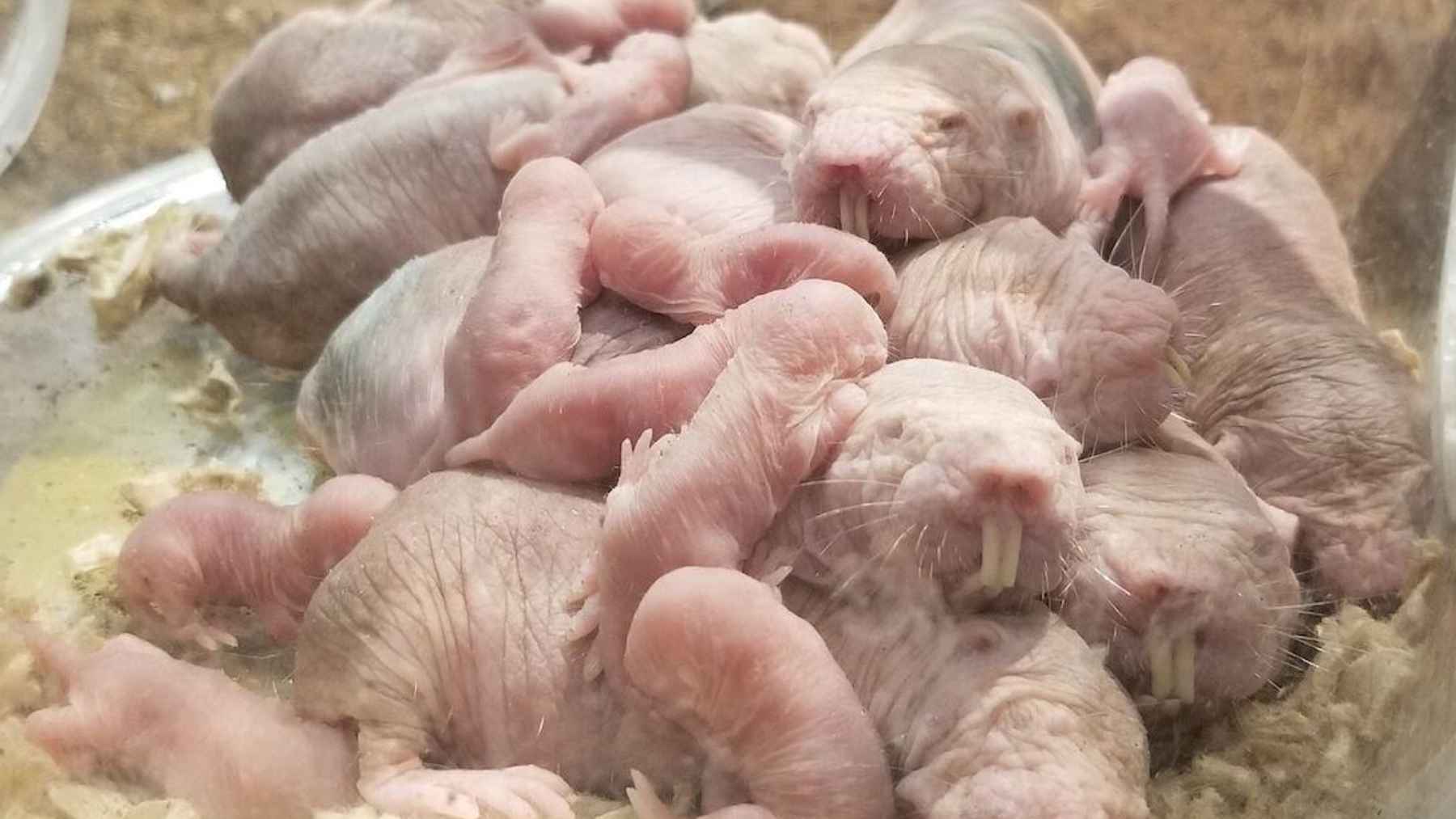
For decades, naked mole-rats have been famous for a brutal detail of their underground lives. When a queen stops breeding, researchers assumed the next ruler is chosen through violent fights, but a new six-year study shows a calmer option can happen.
In a Salk Institute colony, the reigning queen paused reproduction after a major disruption, and subordinate females began breeding without the usual explosion of aggression. The result was a gradual handoff that kept the colony functioning during stress, which is exactly when stability matters most in nature.
A rare kind of power transfer in the animal world
Salk researchers watched one captive colony for six years and documented a nonviolent path to queen succession in a mammal known for harsh takeovers. They report that peaceful succession became possible when the queen’s fertility declined while the broader social structure held together.
That sounds almost ordinary until you remember what “eusocial” life means. In these colonies, one female monopolizes reproduction while the rest of the group digs tunnels, forages, and cares for pups, a setup more associated with ants and bees than mammals.
So why does a peaceful transition matter? Because a colony that avoids infighting can keep doing the basic work of survival, even when the environment is already pushing it around.
Why naked mole-rats matter for ecology
In the wild, naked mole-rats live in a relatively stable environment in sub-Saharan Africa, and that stability is proposed to support their rigid “single queen” strategy. Scientists think this setup can reduce reproductive conflict and keep resources pooled toward one litter at a time.
They are also longtime lab favorites, first brought into research settings in the 1960s because of their extreme adaptations to life underground. Salk notes they can live more than 30 years and show unusual resistance to age-related disease like cancer, which keeps biomedical researchers interested.
But ecology is not just about who eats what. It is also about how groups hold together, and how cooperation can keep a system running when conditions suddenly change.
The stress tests that changed the rules
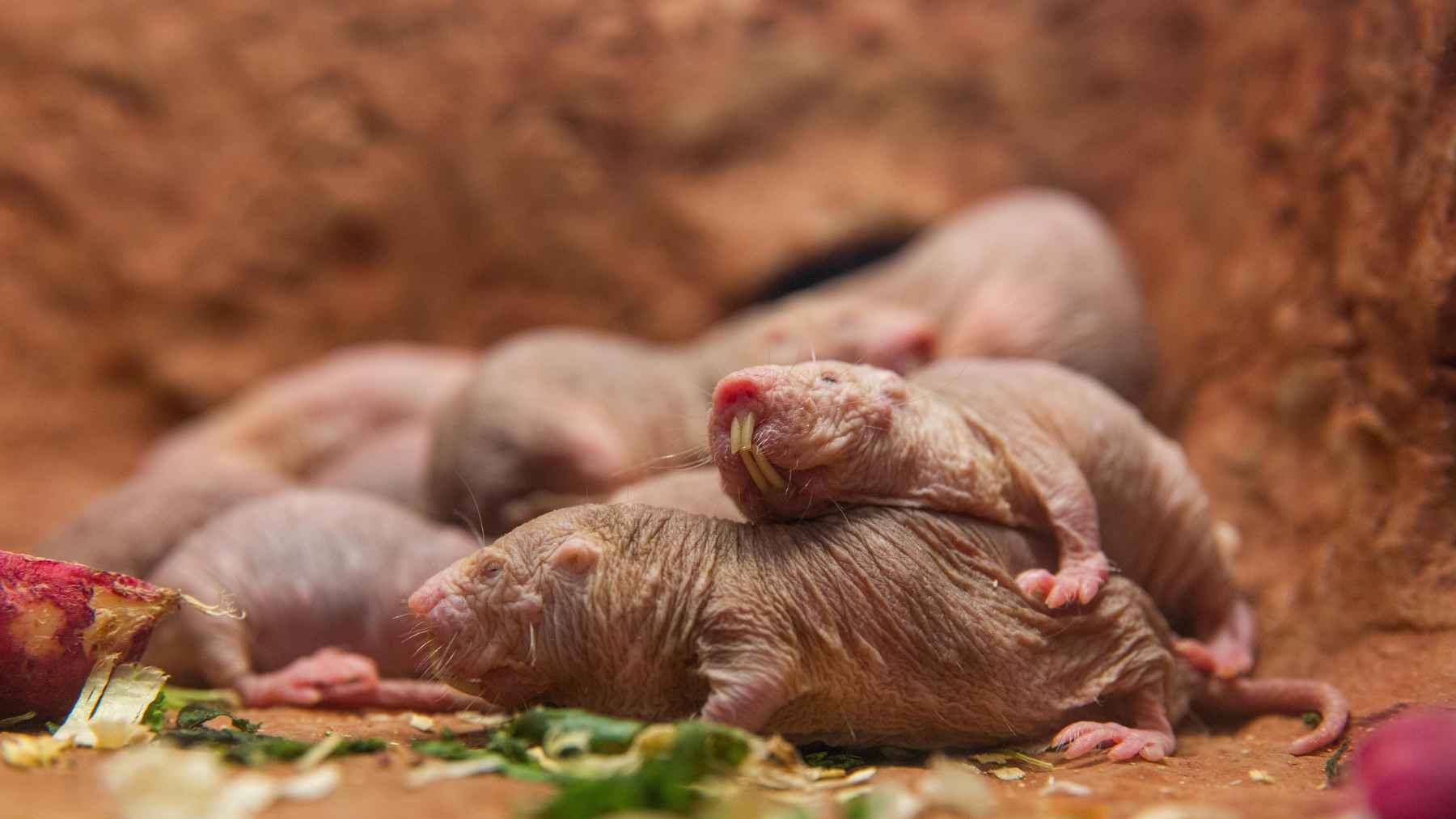
Researchers first spent a year establishing a healthy colony with a single breeding queen, then they introduced two stressors known to destabilize reproduction in other rodents. They increased colony density, then later relocated the colony to a new facility.
Crowding did not topple the queen, but it did coincide with poor pup survival outcomes, a warning sign that the system was straining. Think of it like a packed subway car, where small stresses can trigger bigger problems fast.
The relocation was the tipping point. After the move, the queen’s reproductive success was “completely compromised,” according to the Salk team, and that pause opened the door for a different succession pathway.
What “peaceful succession” looked like underground
Instead of open conflict, a subordinate female began breeding while the original queen was still present, and the two maintained partially overlapping pregnancies. The researchers describe this as cooperation between a reigning queen and a subordinate during a period of environmental stress.
Eventually, another subordinate female took the primary reproductive role, and the original queen slipped into a nonreproductive position. In other words, the crown was passed without the classic colony-wide brawl.
Secondary reporting on the same colony adds detail, naming the original queen Teré and the eventual successor Arwen, a daughter who became the only birthing queen in 2025. The key point is not the names – it is the pattern, a transition that unfolded gradually rather than violently.
Why cooperation can beat conflict when times get tough
Salk researcher Shanes Abeywardena summed up the old assumption in plain terms, saying scientists believed queen succession occurs through “violent queen wars.” The new observation suggests those wars are not the only option in the species’ playbook.
Avoiding a fight can reduce injuries and the loss of workers, and it saves energy that can be redirected toward digging, guarding, and caring for pups. In a tight tunnel society, that basic labor is the difference between a colony that holds on and one that spirals.
The study also hints at a tradeoff. Under stable conditions, rigid dominance may prevent chaos, but when fertility drops during stress, a cooperative overlap may be the safer way to keep the colony going.
Resilience and the questions that come next
Senior author Janelle Ayres frames the work as a resilience story, arguing that resilience is central to how biological systems recover after stress. Co-first author Alexandria Schraibman calls this a “hidden” side of naked mole-rat reproduction that opens new lines of research.
For ecologists, the takeaway is simple but important. Social rules can be flexible, and that flexibility may surface only when conditions force it, whether that pressure comes from crowding, relocation, or other disruptions.
It is also a reminder to stay cautious. This peaceful transition was observed in captivity, and researchers say it remains unclear how often the same strategy appears in natural settings.
Want the details straight from the lab? The press release was published on Salk Institute.