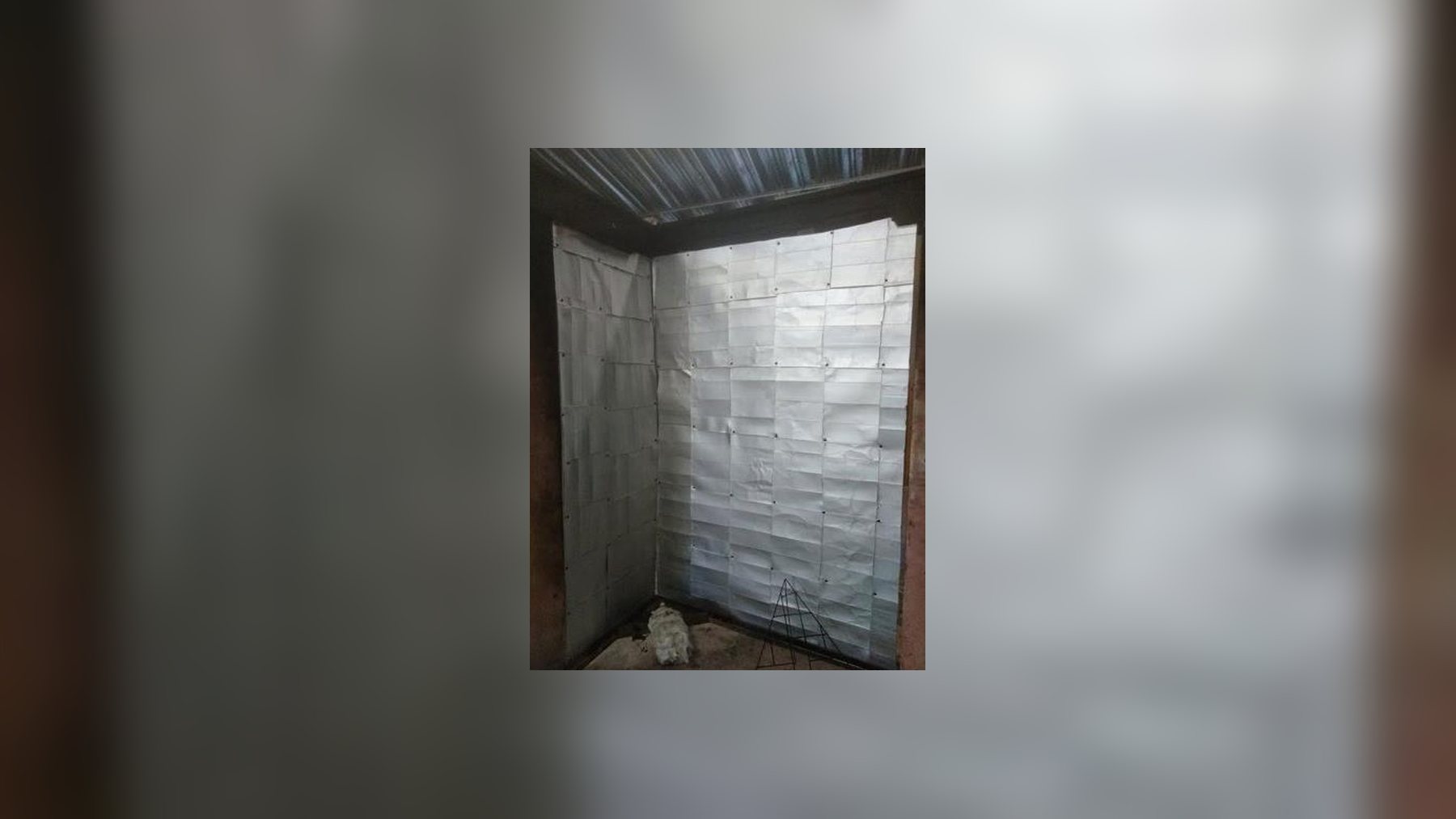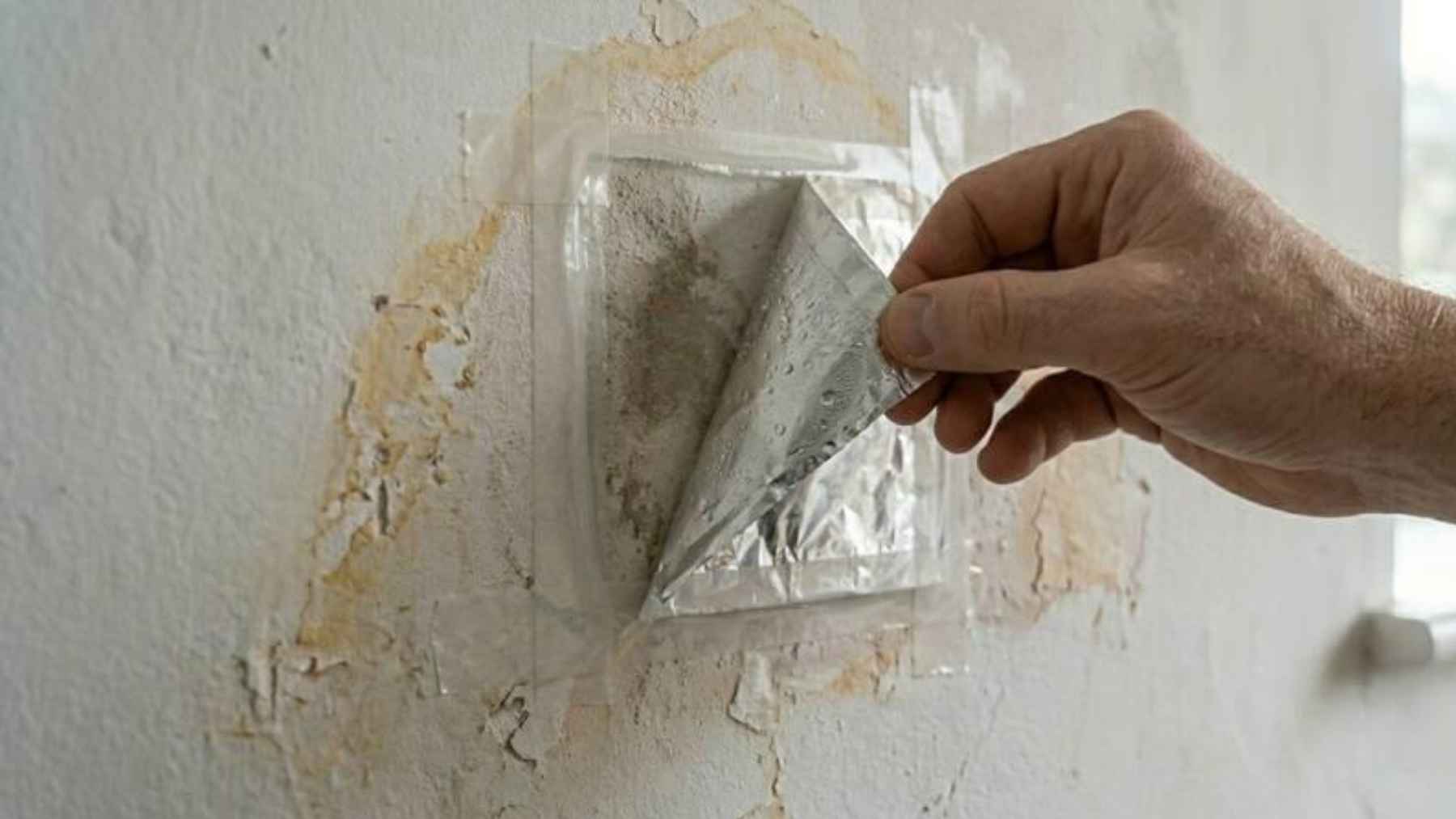
A piece of kitchen foil is suddenly showing up in basements, kitchens, and laundry rooms across the U.S. The reason is surprisingly practical. Taped tightly to a suspicious wall for a day or two, aluminum foil can help reveal whether dampness is coming from indoor humidity or from water pushing through the structure.
That distinction matters more than most people realize. This Old House notes that about 40% of U.S. homes have basements and roughly 60% of those deal with moisture issues, which can quietly fuel mold growth and damage building materials long before you see a stain.
Why a sheet of foil works so well
The foil test works because it creates a sealed “checkpoint” on the wall. If moisture shows up, its location gives you a strong clue about what is feeding the problem, which is exactly what contractors and building specialists want to know before anyone starts ripping out drywall.
In practical terms, that means you are not guessing. You are running a simple isolation test that can help you avoid spending money on the wrong fix, like buying a dehumidifier when the real issue is water intrusion from outside.
The setup is straightforward. This Old House recommends cutting a few 12-by-12-inch squares of aluminum foil (or thick plastic), taping the edges down firmly on walls or floors, and then checking later for condensation and wetness on either side.
Reading the result without overthinking it
If you peel the foil off and find moisture on the outer side (the side facing the room), that usually points to condensation. Warm, humid indoor air can hit a cooler wall surface and “sweat,” especially in kitchens, older homes, or spaces where airflow is limited.
If the underside is wet (the side that was against the wall), moisture is likely moving through the wall or slab from the surrounding soil. You may also see efflorescence, a white, powdery mineral deposit that can show up when water travels through masonry and leaves salts behind.
And if everything looks dry, take that as “no clear signal right now,” not a lifetime guarantee. Moisture can be weather-driven, so repeating the test after a heavy rain or during a sticky heat wave can tell a very different story.
Fixes for condensation that do not waste electricity
Condensation problems often respond to changes you can actually feel day to day. Run bathroom and kitchen exhaust fans, vent dryers outdoors when possible, and do not let damp air linger after showers or cooking, especially when windows stay shut for long stretches.
It also helps to stop guessing about humidity levels. This Old House recommends using a simple hygrometer, and plumbing and heating expert Richard Trethewey says he likes to start a basement dehumidifier at about 35% relative humidity, while noting that many living spaces fall in the 30 to 40% range depending on season and conditions.
If you do need a dehumidifier, think about the electric bill before you leave it running nonstop. ENERGY STAR says certified dehumidifiers use about 20% less energy than noncertified models, and it also points out that an “optimum” building range is generally 30 to 50% relative humidity, since higher levels can promote mold growth.
When moisture is coming through the wall
When the foil points to seepage, experts typically start outside, not inside. This Old House recommends checking whether downspouts send water far enough away from the foundation and whether the soil slopes away from the house, since poor drainage can push water right where you do not want it.
Tom Silva, This Old House’s general contractor, puts the urgency bluntly. “If there’s water in the basement, you’ve got to fight it,” and he reminds homeowners that “a basement is just a big hole in the ground” that nature tends to fill with water.
If moisture is passing up through the floor or in through masonry, interior coatings and vapor barriers may help, but they work best once exterior water is under control.
This Old House describes a multilayer approach for floors that includes 30-lb. building felt with seams overlapped at least 16 inches, plus 6-mil polyethylene sheeting run from the mudsill down walls and across the slab, along with cleaning and cementitious paint before finishing.
The bigger environmental story hiding behind damp walls
This is not just a home maintenance issue anymore. Climate Central reported on April 29, 2026, that 129 of 144 analyzed U.S. cities, about 90%, have seen an increase in hourly rainfall intensity since 1970, with those locations averaging about 15% higher rainfall rates than in 1970. More rain falling faster raises flood risk, and it can also mean more pressure on foundations and basements in vulnerable areas.
There is also an energy angle that tends to get missed until bills spike. The U.S. Department of Energy notes that insulation performance (R-value) depends in part on moisture accumulation, and damp conditions can undercut comfort in both winter and summer by forcing heating and cooling systems to work harder.
So yes, a foil square is small, but it can steer you toward the right next step, whether that is ventilation, drainage, a humidity target, or a professional inspection when you see active mold or persistent musty odors.
The official guidance was published on the U.S. Environmental Protection Agency’s website.