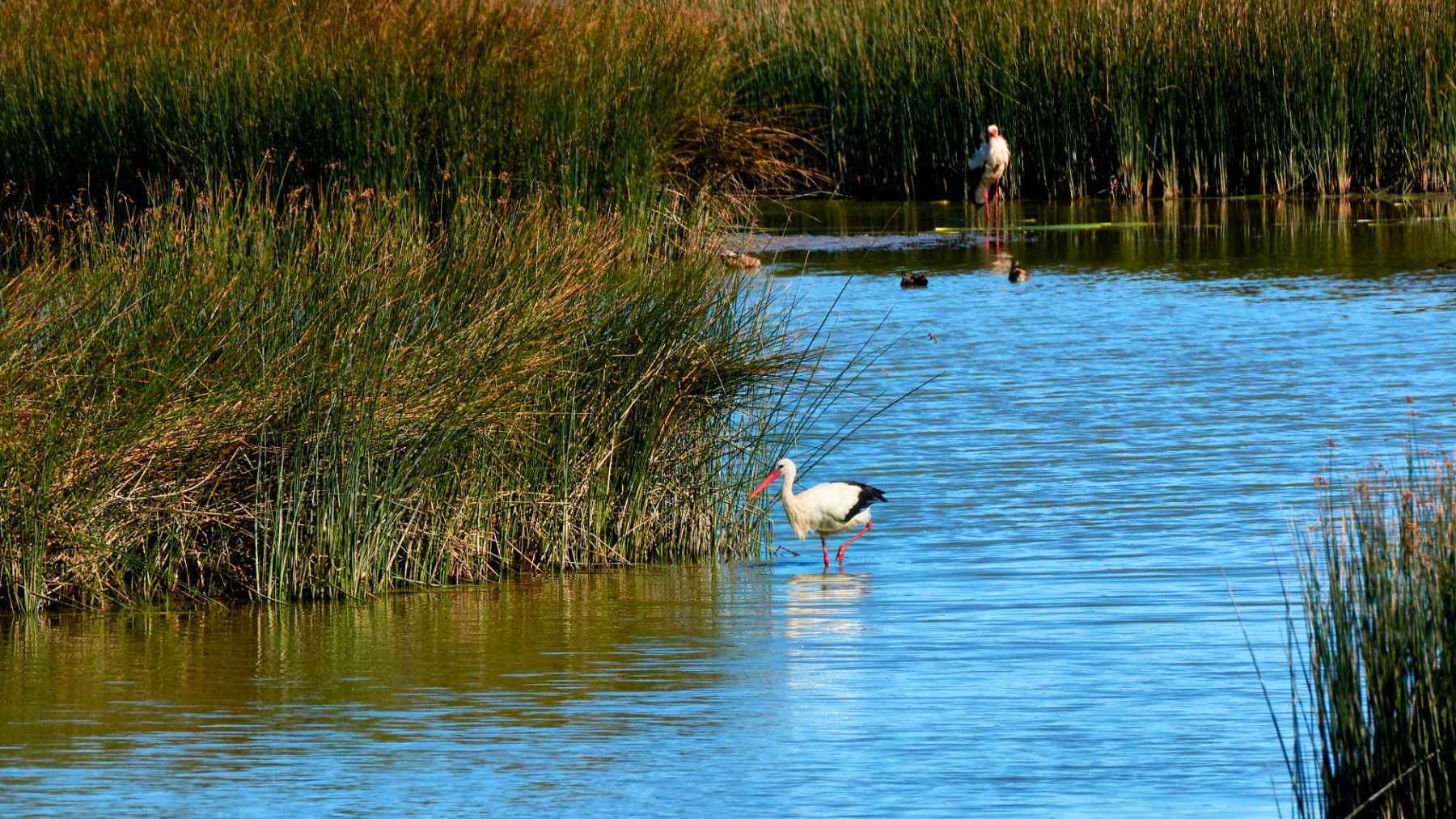
A dead white stork in southern Spain has become a sharp warning about a problem that usually stays out of sight. Its remains, found in the Doñana area, included little more than a beak, feathers, and a pile of 150 plastic rubber bands that the bird had apparently mistaken for worms.
The case is not just about one unlucky bird. It points to a wider route for pollution, from open landfills to protected marshes, lagoons, and salt ponds, carried by birds that feed where human trash piles up and then fly back into fragile ecosystems.
A stork became the evidence
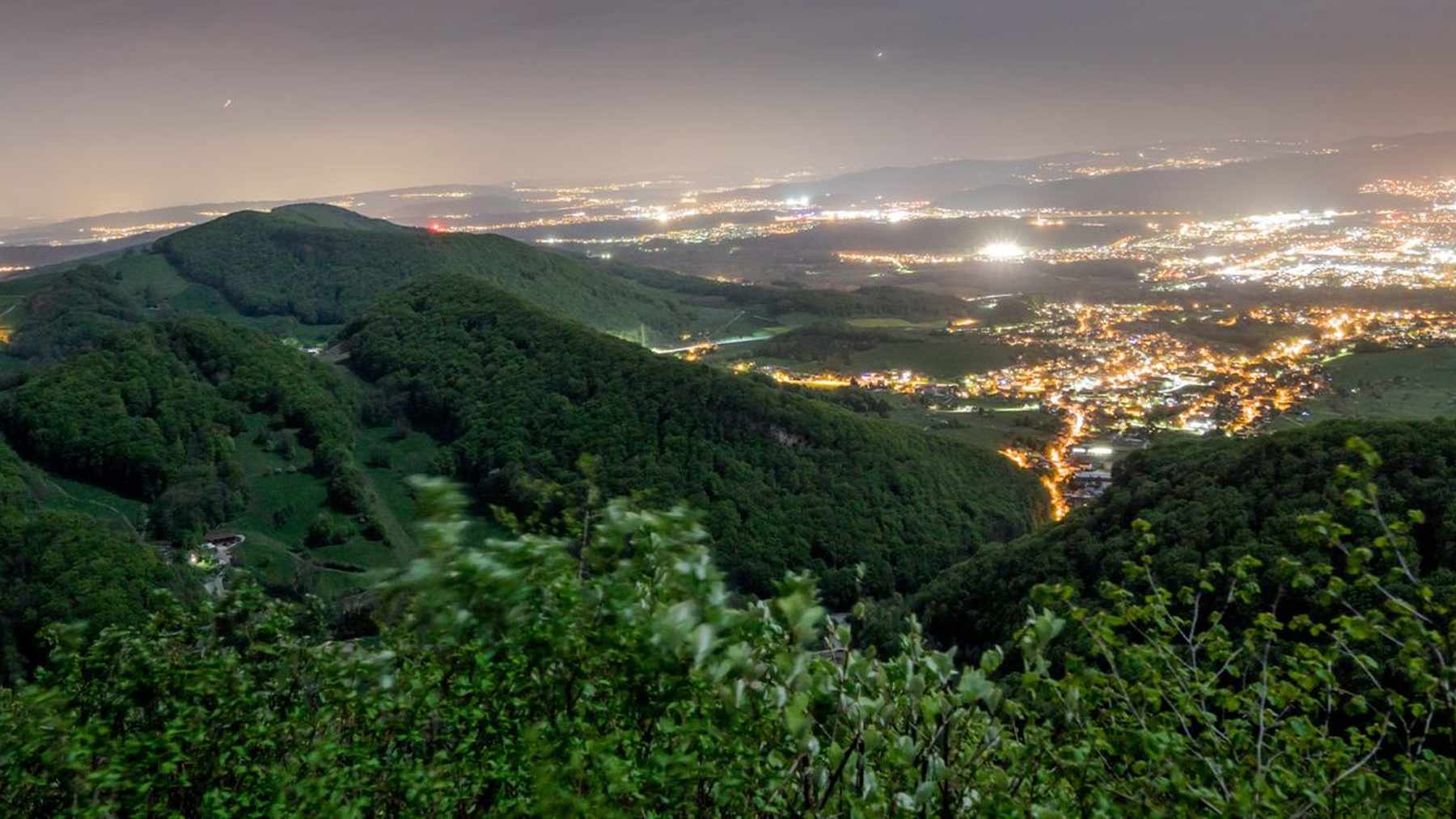
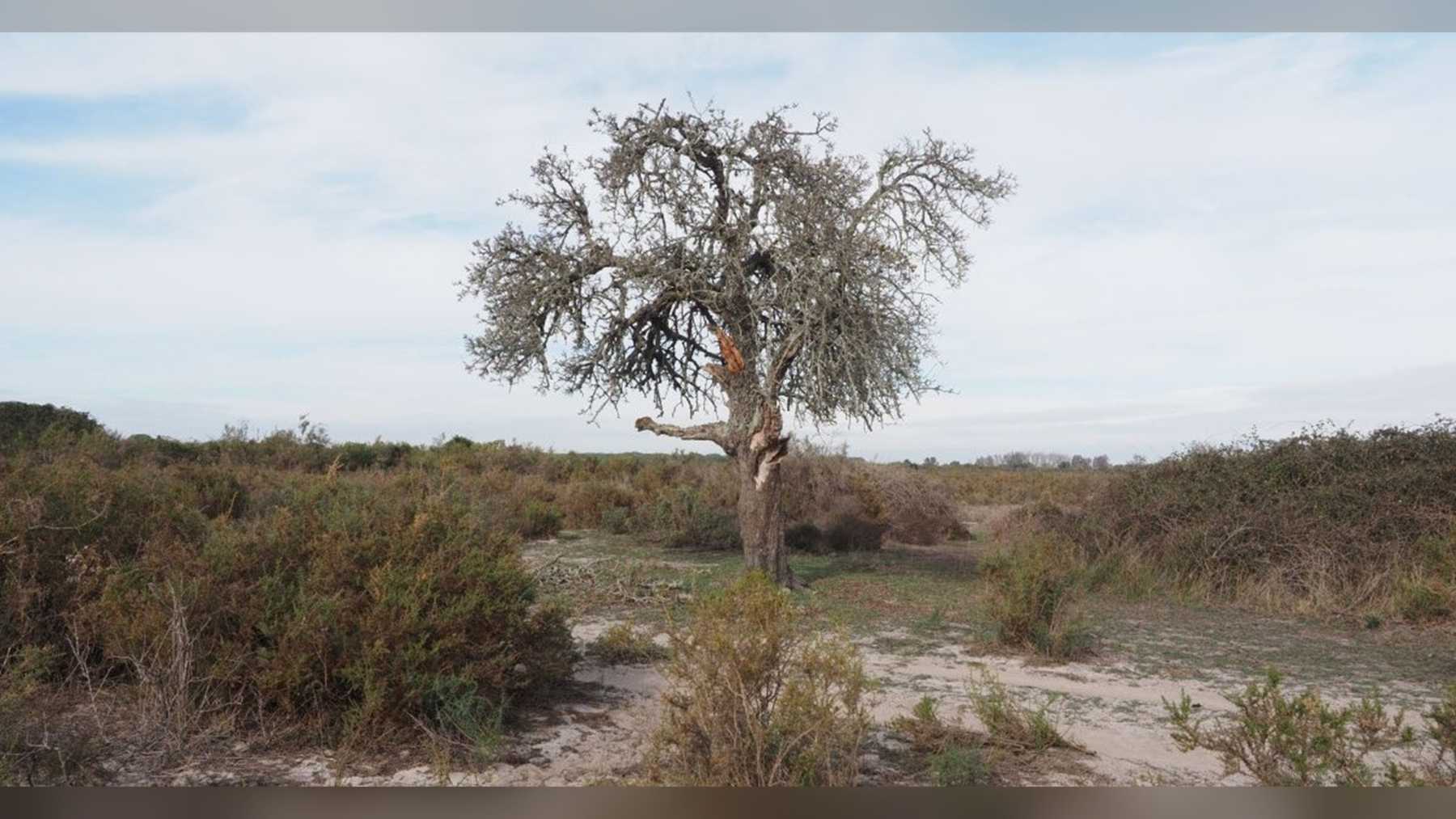
Doñana is one of Europe’s most important wetland landscapes, a place where marshes, dunes, forests, lagoons, and beaches meet at the southwestern edge of Spain. UNESCO describes it as a major refuge for breeding, wintering, and migrating birds along the East Atlantic Flyway.
That makes the stork’s remains more than a disturbing detail. In practical terms, they show how trash can enter a natural food web without being dumped directly into a park.
How trash travels
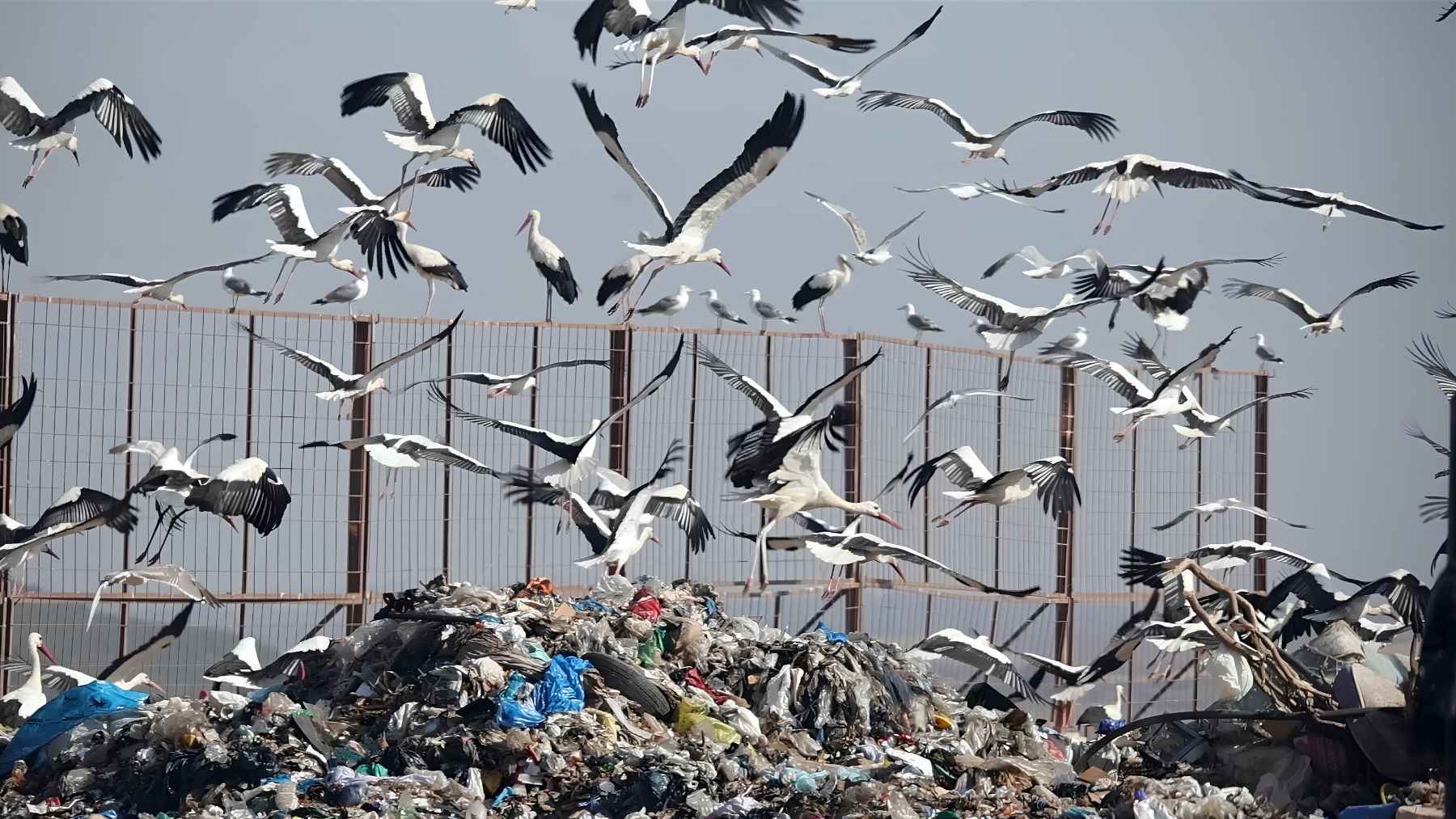
The key idea is called “biovectoring.” That simply means an animal carries something from one place to another, often without meaning to.
In this case, birds become moving links between landfills and wetlands. They pick through garbage for food, swallow plastic by mistake, and later regurgitate it, drop it in pellets, or die with it still inside them.
What scientists found
A team from the Doñana Biological Station, part of Spain’s National Research Council (CSIC), recently compared how white storks, lesser black-backed gulls, and yellow-legged gulls move plastic from landfills into the Bay of Cádiz wetlands. The researchers used GPS tracking, landfill counts, and pellet analysis to follow the trail.
The estimates are striking. Lesser black-backed gulls carried about 628 pounds of plastic per year, yellow-legged gulls about 353 pounds, and white storks about 190 pounds.
Rubber bands look like food
Julián Cano, lead author of the paper, noted that storks tend to carry small hard plastic pieces and silicone rubber bands. Those bands can look like worms to a hungry bird, especially in the messy mix of food scraps and debris at a landfill.
That is where the Doñana stork case feels so direct. What looks like a harmless office item or packaging remnant can become a lethal mistake for an animal that cannot sort food from waste the way people can.
Pellets tell the story
Bird pellets are compact balls of material that birds regurgitate after feeding. They can contain bones, shells, insect parts, and, increasingly, pieces of plastic.
A 2024 study in Waste Management focused on gulls at Fuente de Piedra, a protected lake in Spain. Researchers found that 86% of the pellets contained plastic, and they estimated that gulls deposited about 880 pounds of plastic into the lake each winter.
Why wetlands are vulnerable
Wetlands work like living filters. They support insects, fish, amphibians, birds, and mammals, all packed into a system where one small change can ripple through the food chain.
Plastic does not just sit there. Large pieces can block or injure digestive tracts, while smaller fragments can break down and move into mud, water, and tiny animals that are eaten by larger ones.
Chemicals add another risk
The United Nations Environment Programme has reported that more than 13,000 chemicals are associated with plastics and plastic production. More than 3,200 have one or more hazardous properties of concern.
That matters because plastic pollution is not only a litter problem. Some chemicals can leach out over time, and researchers warn that small plastics may enter food chains through filter-feeding invertebrates, the little creatures that strain particles from water.
Doñana is already under pressure
Doñana has also faced international concern over water loss and declining waterbird populations. In 2023, UNESCO warned that drying water bodies were directly affecting birds and putting the park’s exceptional biodiversity at serious risk.
Plastic adds another layer to that stress. A wetland can survive some shocks, but drought, intensive farming, groundwater pressure, and trash together make the recovery job harder.
This is not only Spain’s problem
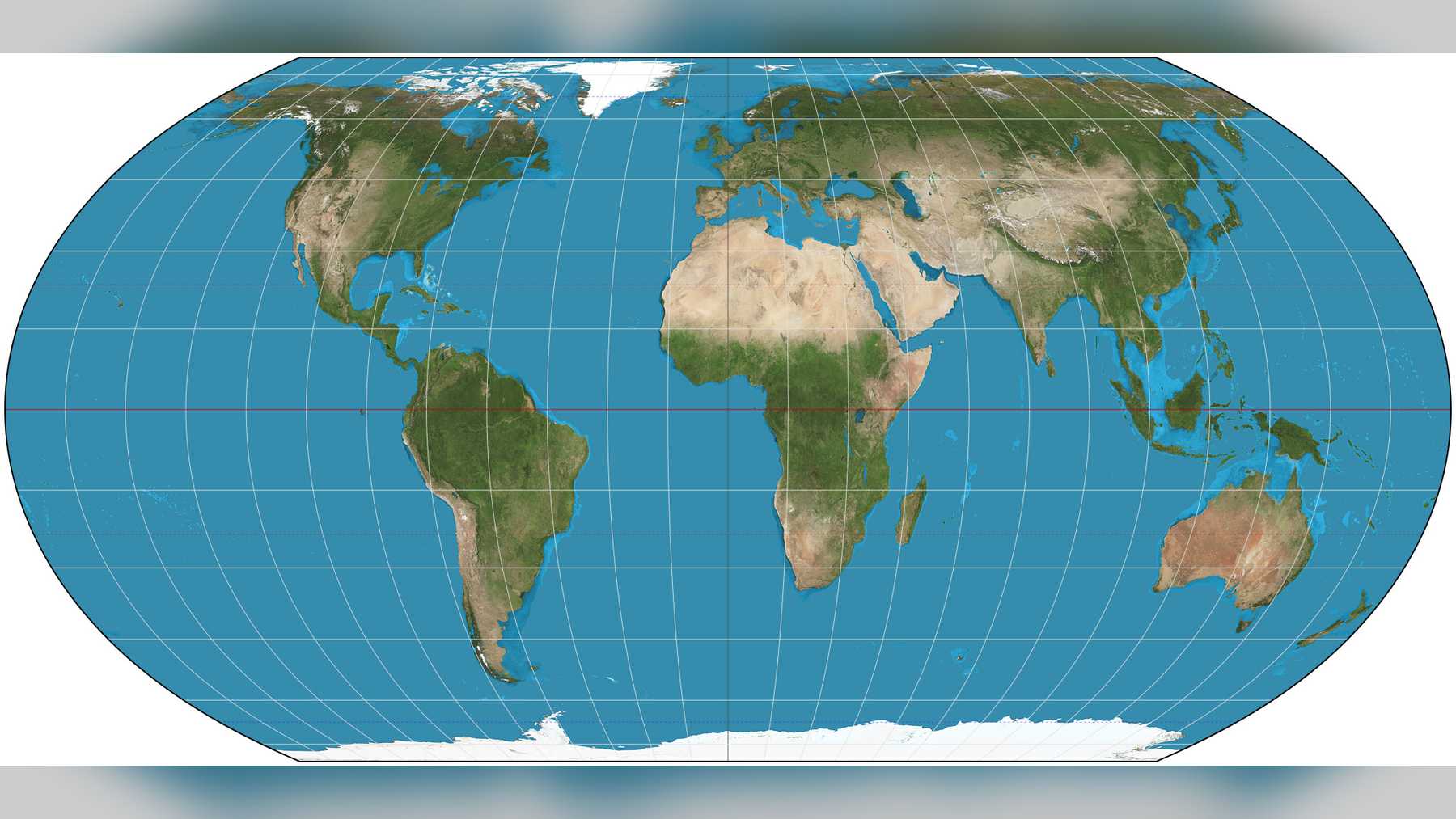
The same pattern is visible far beyond Andalusia. A major 2015 assessment by the Commonwealth Scientific and Industrial Research Organisation (CSIRO) and Imperial College London estimated that 90% of individual seabirds alive at the time had eaten plastic, and predicted that plastic ingestion could affect 99% of seabird species by 2050 if trends continue.
So what does one dead stork tell us? Quite a lot. It shows that the plastic problem is not waiting offshore in distant oceans. It can start in a local dump and end in a protected marsh.
What can change
The latest research points to practical steps, not miracle fixes. Better waste separation, improved recycling, reduced plastic use, and landfill management that limits bird access can all help cut the flow at its source.
Cano put it plainly in the official summary, saying that “reducing plastic consumption” is key to keeping these materials out of protected natural areas. It is not glamorous work, but it is the kind of everyday prevention that can decide what ends up in a bird’s stomach.
The main study has been published in Environmental Research.