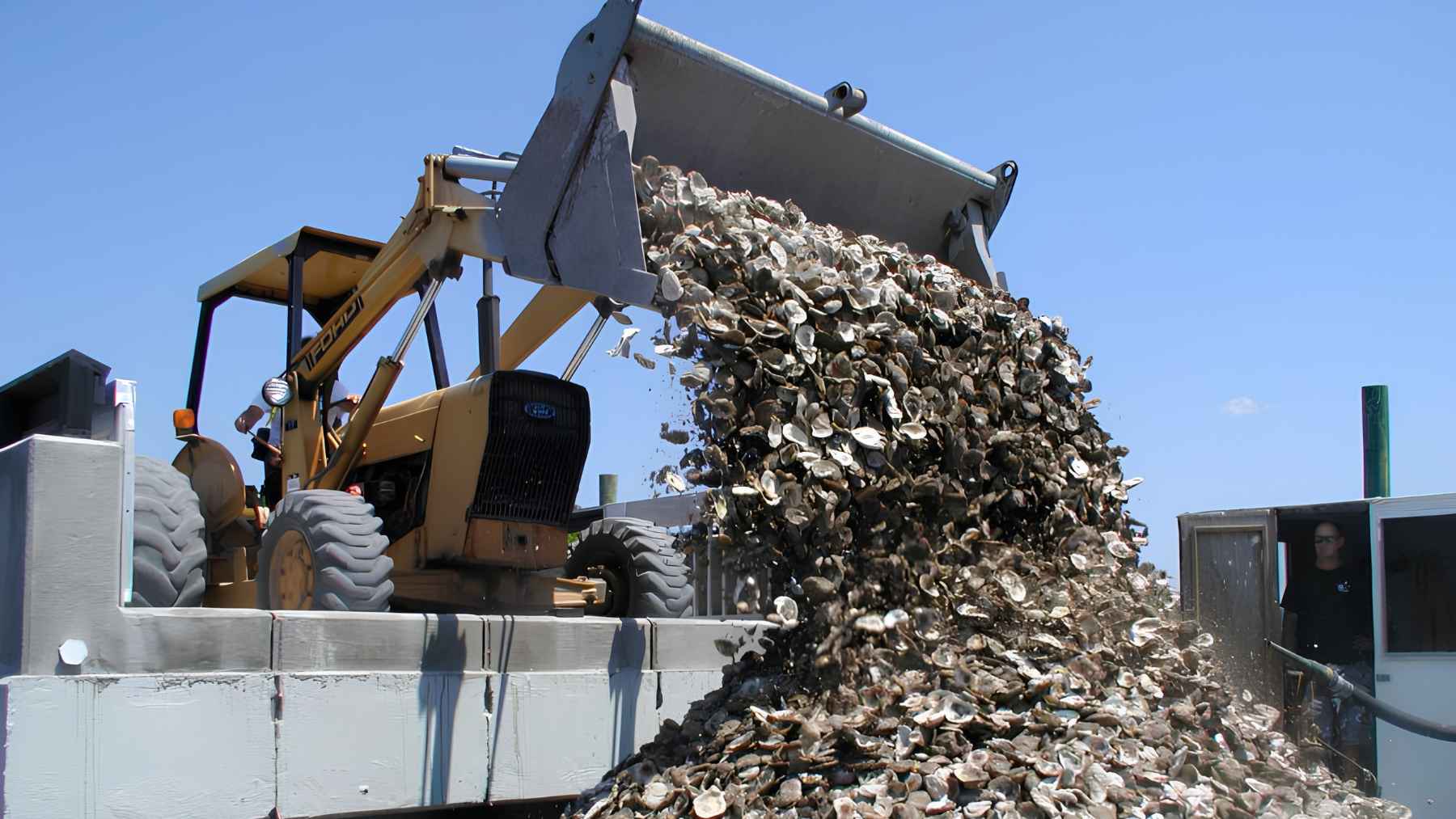
A pile of oyster shells might not look like the start of an environmental comeback story, but in Southern California, more than 24,000 pounds of discarded shells are being turned into the building blocks for healthier reefs, cleaner water, and stronger shorelines.
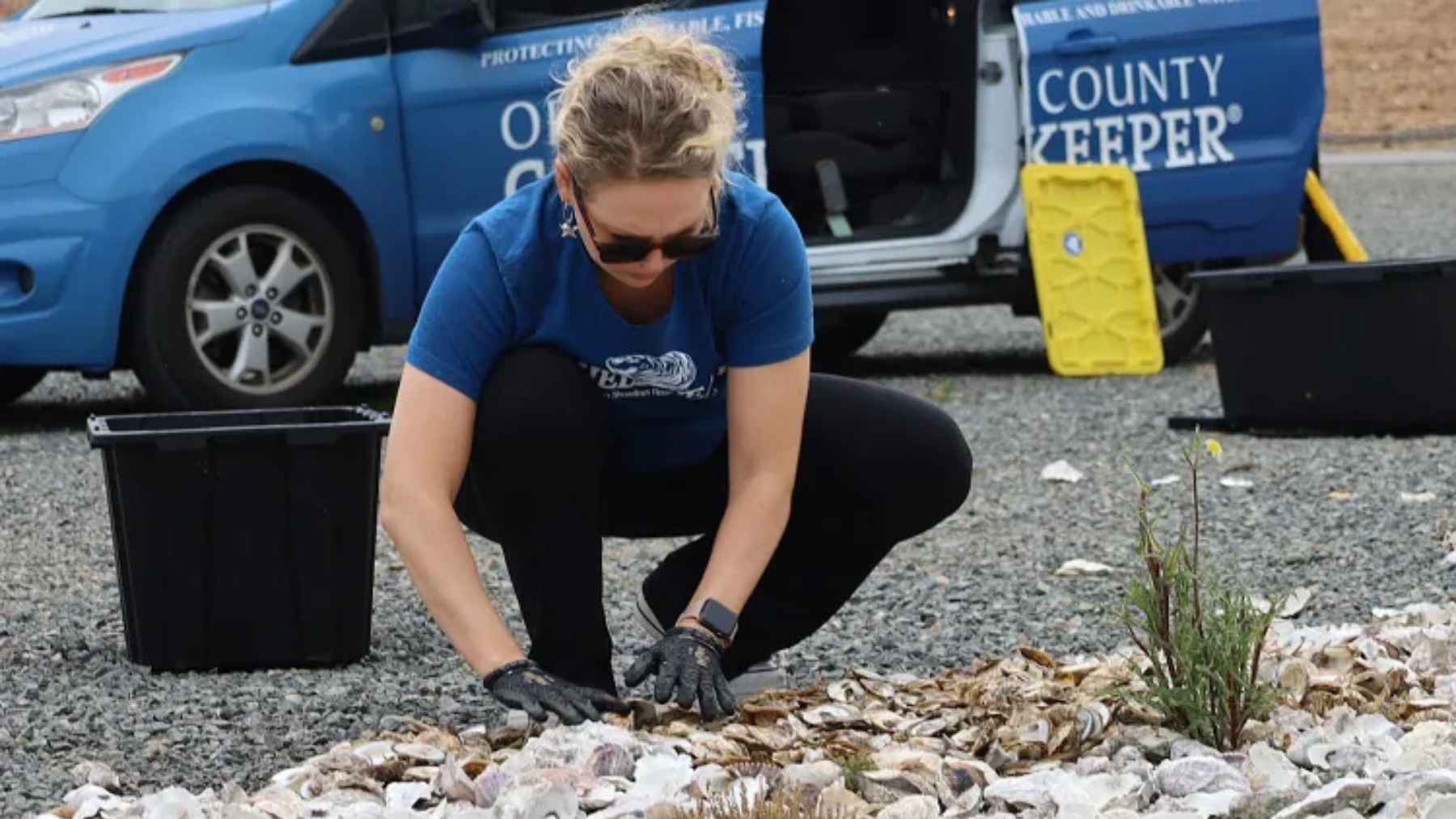
Marine scientist Kaysha Kenney, 31, leads the effort through Orange County Coastkeeper’s Shells for Shorelines program, collecting used oyster shells from restaurants and seafood markets across Orange County and Long Beach. What began in three wooden storage boxes has grown into what she now calls an “oyster field,” a reminder that even leftovers from dinner service can play a role in ocean restoration.
A field of shells
Kenney works as marine restoration director at Orange County Coastkeeper, where the focus is on rebuilding native oyster habitat and strengthening coastal ecosystems. Online, though, many people know her through TikTok videos showing bins of shells, sunny curing fields, and the less glamorous side of restoration work.
The number is striking. According to Kenney, the program is now sitting at more than 24,000 pounds of oyster shells, or about 12 tons, and the pile keeps growing each week. That is a lot of restaurant waste no longer headed for a landfill.
What makes the story click is how ordinary it feels. Someone eats oysters, a restaurant saves the shells, and a restoration team gives them a second life. Simple enough, right? The hard part is doing it again and again.
From plates to reefs
Through Shells for Shorelines, Orange County Coastkeeper partners with local restaurants and seafood markets to collect shells that would otherwise be thrown away. The official program says donated restaurant shells are reused to grow native oyster populations in Southern California.
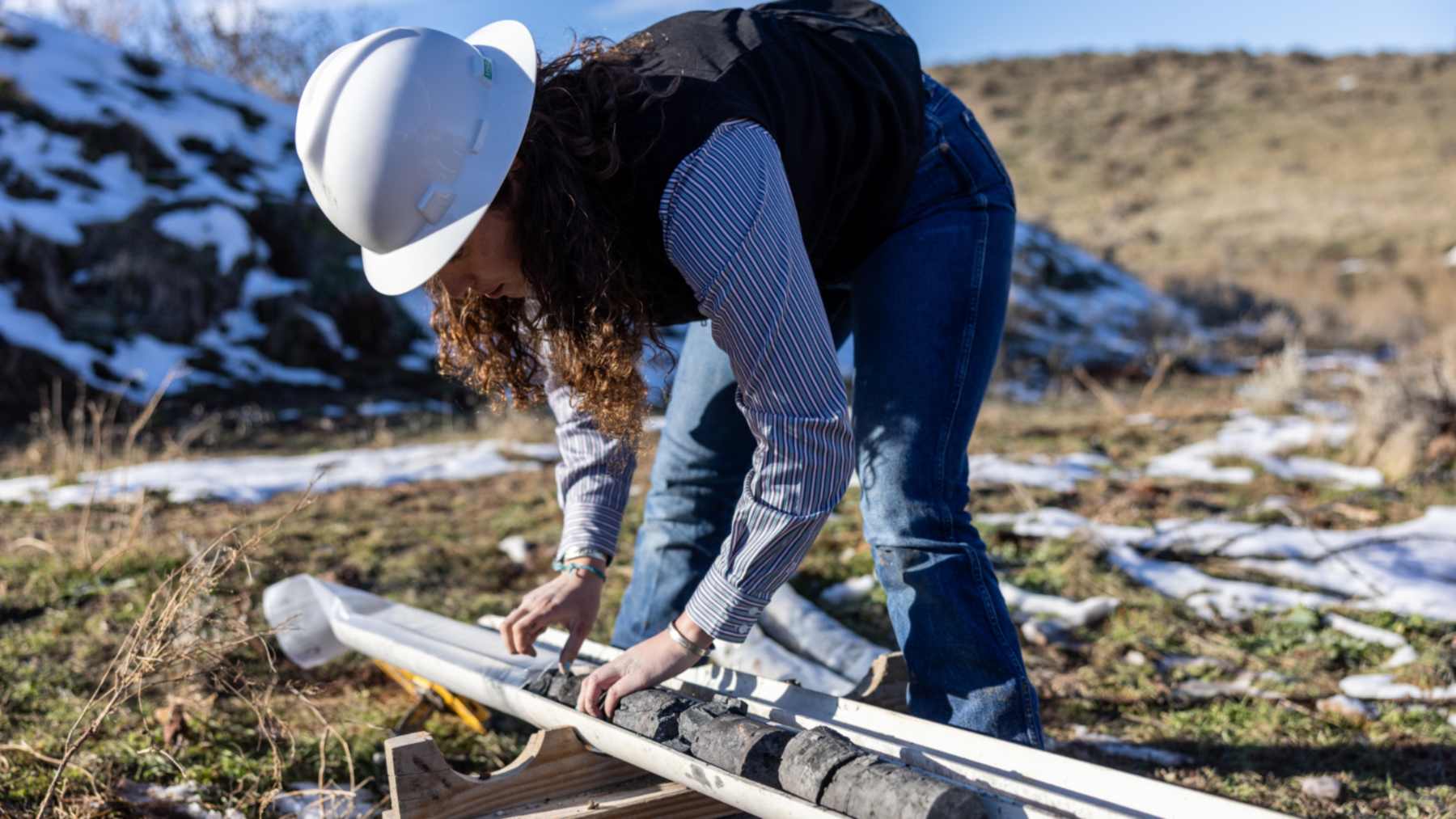
The process is part recycling route and part science project. Kenney’s team coordinates pickups, hauls bins and buckets back from restaurants, weighs and catalogs the shells, and then spreads them out under the California sun.
That curing step matters. Coastkeeper says the shells sit in the sunshine for at least six months as part of a natural process that removes harmful pathogens and organisms before they are used in projects such as oyster beds, living shorelines, and shell strings.
Why oyster shells matter
Oyster reefs are not just seafood scenery. The National Oceanic and Atmospheric Administration (NOAA) Fisheries explains that oyster reefs create hiding spaces for fish, crabs, and smaller forage species, while also improving water quality by filtering algae and excess nutrients from the water.
Under certain conditions, a single oyster can filter up to 50 gallons of water per day, according to NOAA. Cleaner water can then help underwater grasses grow, and those grasses provide habitat for juvenile crabs, scallops, and fish.
There is also the shoreline side of the story. In some places, oyster reefs can reduce wave energy, slow erosion, and help protect wetlands and waterfront communities from the effects of tides, floods, and storms. For anyone who has watched waves chew away at a beach after a rough storm, that detail hits close to home.
A global loss
Kenney has said she is often surprised that people find oysters so interesting. “I think oysters are the coolest,” she told People, while admitting she may not be neutral on the topic; however, the attention is useful because the problem is much bigger than one shell pile in California.
A global analysis involving 144 bays found that oyster reefs were at less than 10% of their former abundance in 70% of the bays studied, and researchers estimated that 85% of Earth’s oyster reefs had been lost.
The causes are familiar and frustrating. Overharvesting, habitat destruction, disease, and declining water quality have pushed oyster reefs down in many coastal areas, even though these ecosystems once acted like living infrastructure for bays and estuaries. The trouble is, rebuilding that kind of natural system takes patience.
The quiet logistics behind restoration
The viral videos may make the work look satisfying, and in some ways it is. Still, the daily reality includes heavy bins, careful tracking, storage space, field work, and the constant need to keep the program funded.
Orange County Coastkeeper says Shells for Shorelines helps reduce food waste, lower restoration costs, and engage the community in marine science projects. That last part may be just as important as the shells themselves, because restoration works best when people understand why the coast needs help.
This means restaurant staff, volunteers, scientists, donors, and local partners all become part of the same chain. One bucket does not rebuild a reef. Thousands of buckets, collected over time, can start to change the picture.
A small shell with a big job
The program also connects with Coastkeeper’s broader work on native Olympia oysters, California’s only native oyster species. In October 2025, Orange County Coastkeeper reported that local dockowners had helped recruit 1,600 native Olympia oysters through a community restoration project.
Kenney described Olympia oysters as “powerhouses for our coast” in that Coastkeeper update. The restored oysters are expected to keep growing on reef beds, helping improve water quality, stabilize shorelines, and support marine biodiversity over time.
That is the bigger lesson behind the oyster field. The shells are not the final goal. They are the starting surface where new oysters can settle, grow, and help rebuild a living coastal system.
What comes next
Kenney hopes the public interest sparked by her videos will push more people to care about oyster reefs and ocean conservation. Not everyone can run a shell recycling route, but more people can support local restoration groups, ask seafood businesses what happens to shells, or simply learn why these small animals matter.
At the end of the day, this is a story about turning waste into habitat. A shell that once sat on a restaurant plate can become part of a reef, and that reef can help filter water, shelter young marine life, and soften the force of waves. It is not a quick fix, but it is a clear one.
The official program details were published on Orange County Coastkeeper’swebsite.