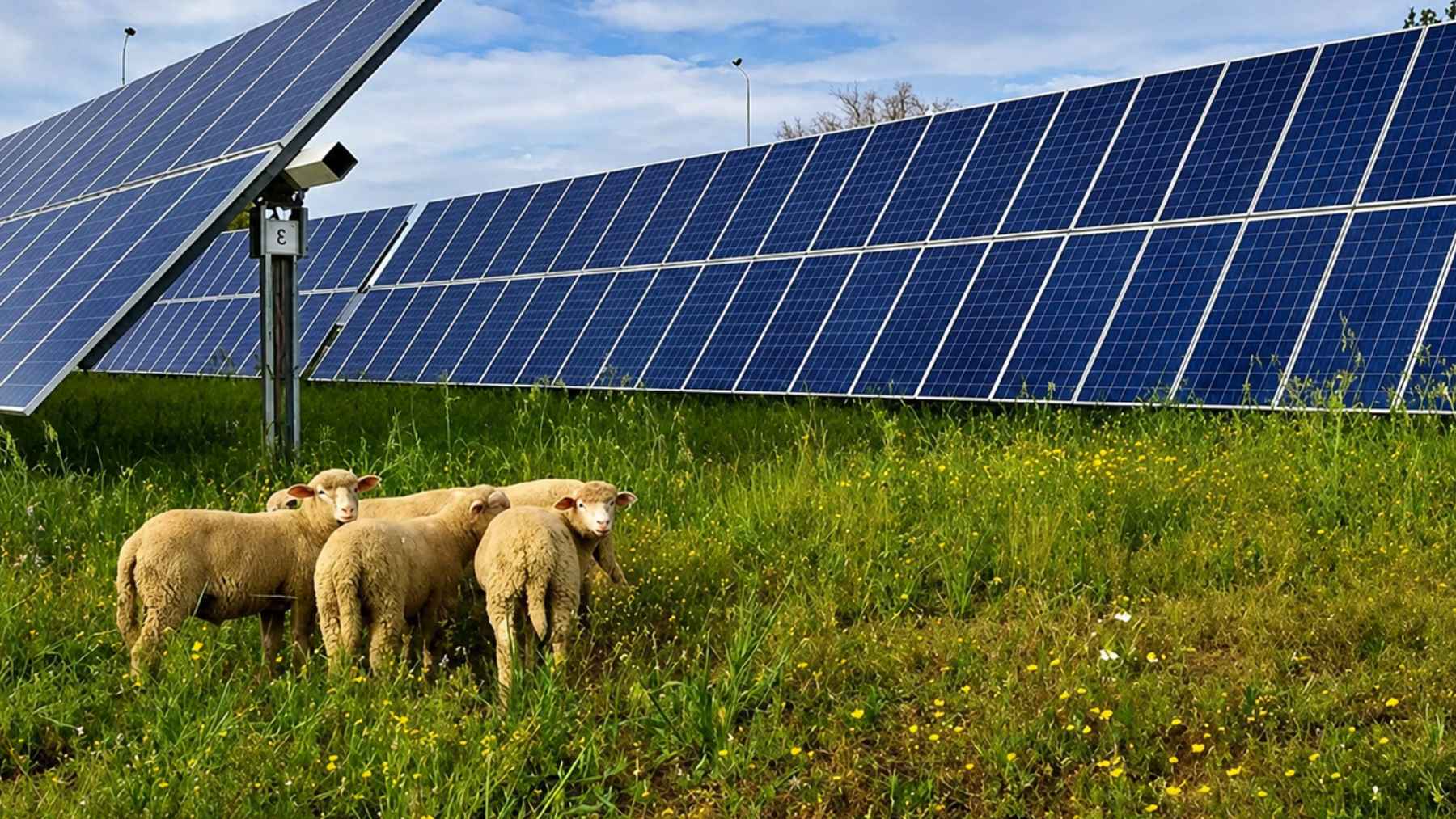
At first, it sounds like a rural oddity. A solar plant places 40 native sheep near its panels, lets them graze through winter, and suddenly the field is doing more than producing electricity. At Westmill, the flock became part of a bigger experiment in how clean energy, farming, and wildlife can fit into the same landscape.
The lesson is simple but surprisingly important. Clean energy does not have to mean treating land as a blank sheet of metal and gravel. In practical terms, it can also mean wildflowers, soil life, pollinators, and yes, sheep using solar panels as shelter when the weather turns rough.
A solar farm built for nature
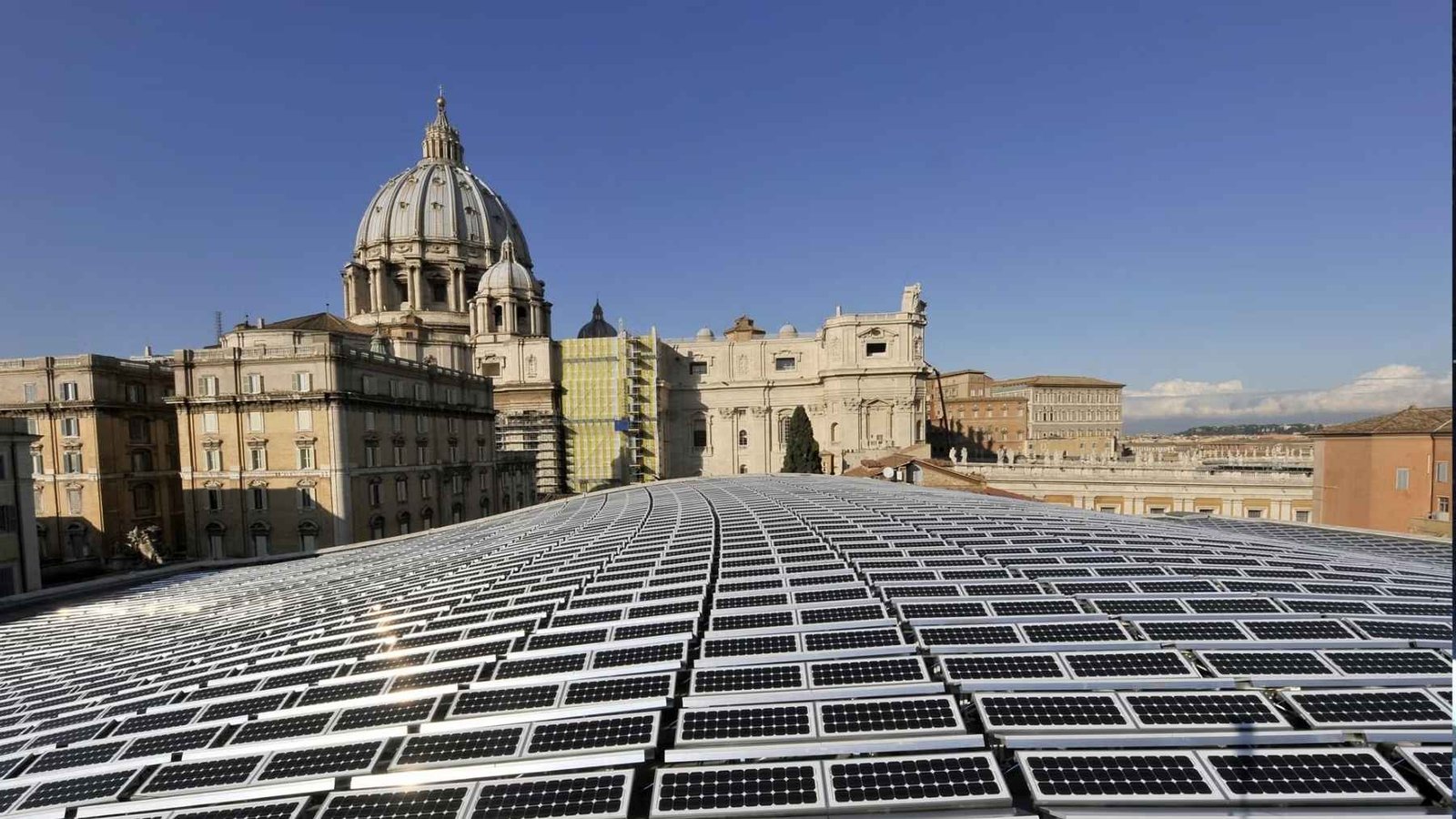
Westmill sits near Watchfield on the Oxfordshire and Wiltshire border in southern England. Its solar cooperative was formed to show that ordinary people can help build renewable energy, and its 30 acre site carries more than 20,000 panels that generate enough electricity for about 1,600 homes a year.
This is not just a power site with grass around it. The Westmill Sustainable Energy Trust, known as WeSET, was set up by the Westmill wind and solar cooperatives to promote sustainable energy through education, visits, and community projects.
Why sheep changed the field
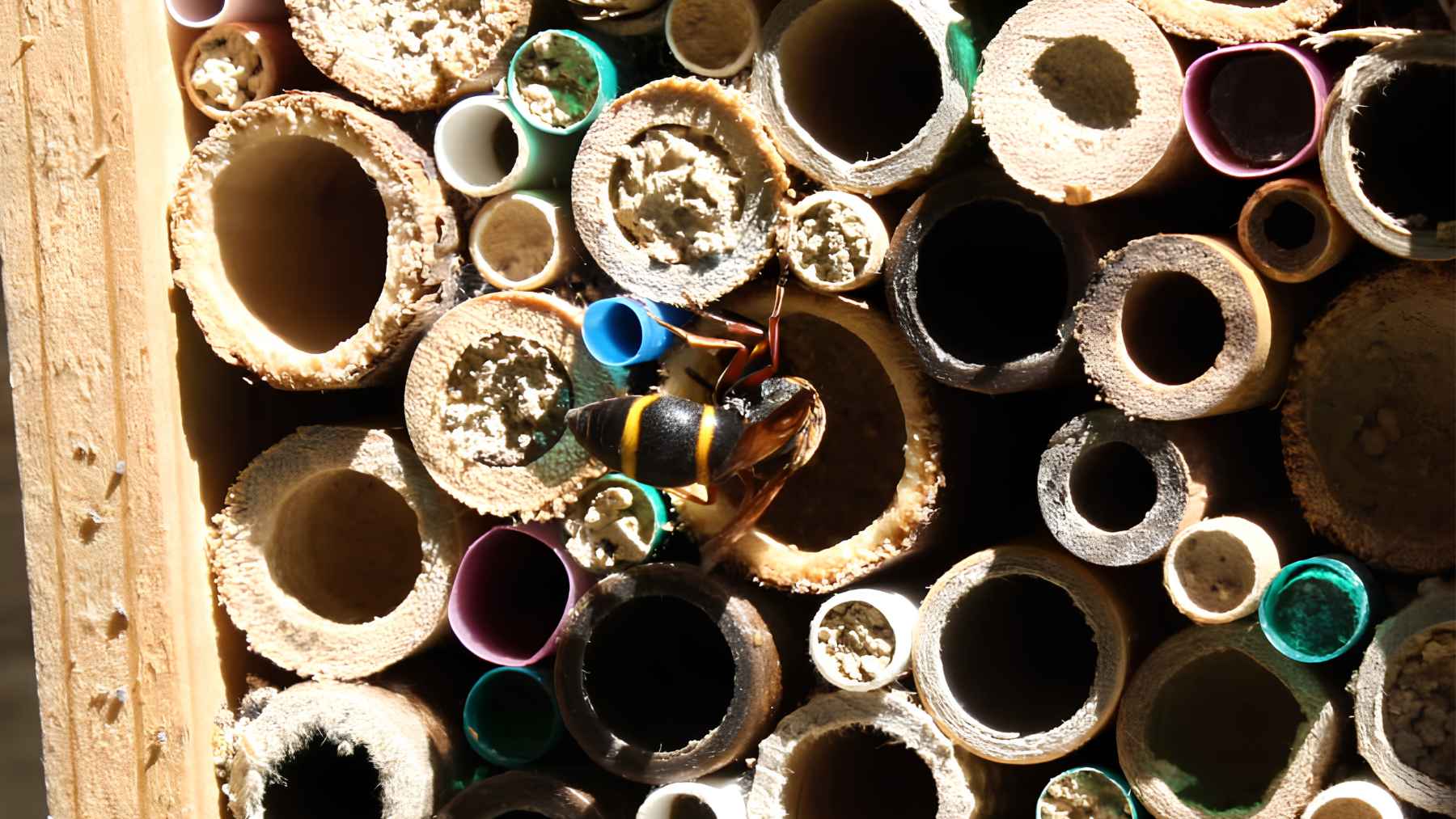
The sheep were not brought in as decoration. They act like living lawn crews, eating a mix of plants and helping stop one aggressive species from overrunning more delicate wildflowers. That matters because a diverse field is better for insects, birds, soil bacteria, and fungi.
Westmill says the animals graze in winter, when they are less likely to disturb nesting birds and when the flowering plants that feed pollinators are not in bloom. It is a small timing choice, but that is where a lot of good land management lives.
There was another bonus hiding in plain sight. The sheep used the panels as protection from wind and rain, and the broad mix of plants helped them gain weight more effectively. For the flock, the solar farm was not an obstacle. It was shelter, food, and a quieter field.
What agrivoltaics means
The idea has a name, agrivoltaics. It means using the same piece of land for agriculture and solar power instead of forcing farmers and energy planners to pick only one. In everyday language, it is a field that works two jobs.
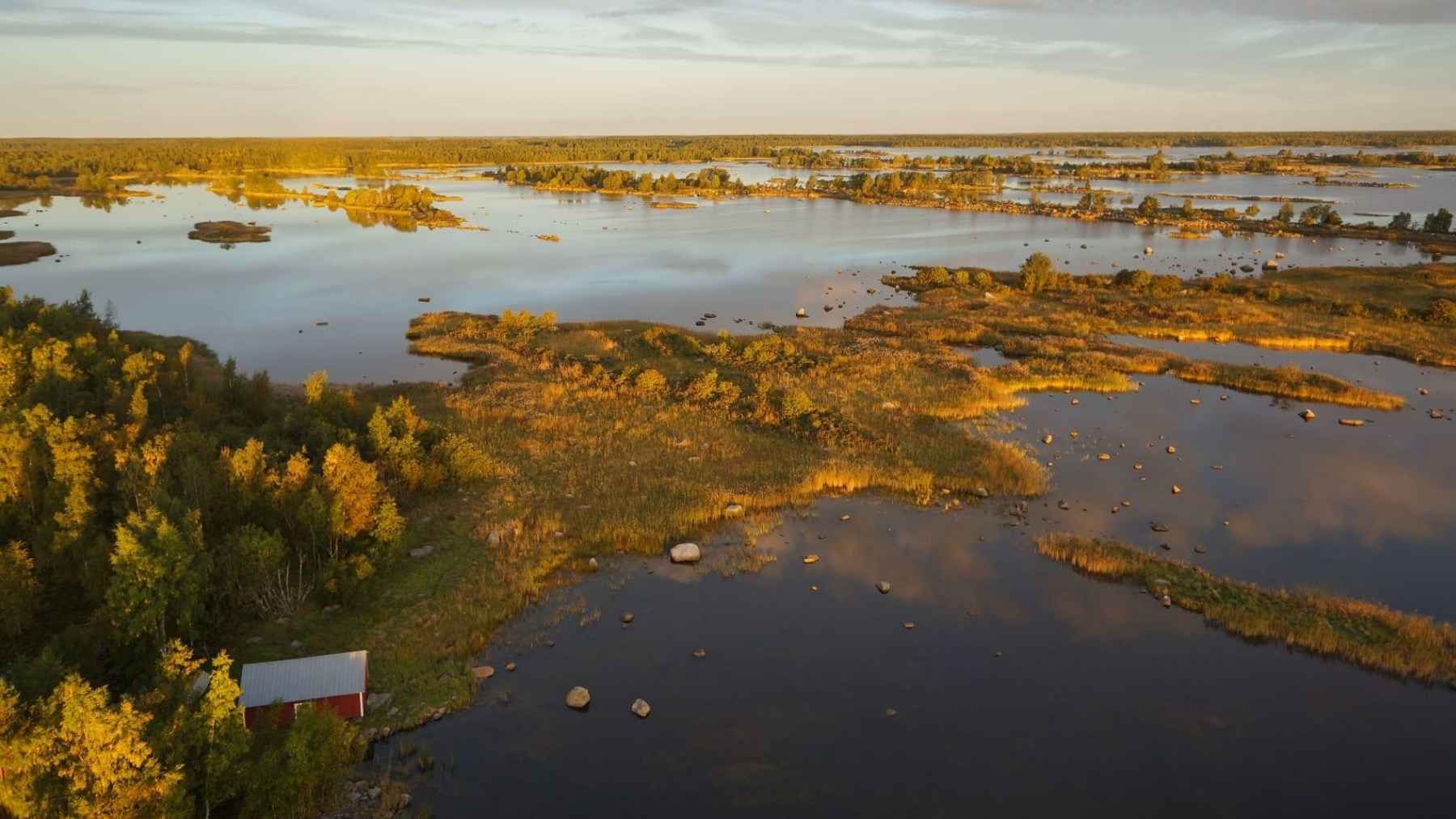
Can a solar farm also become a small nature reserve? To a large extent, Westmill suggests it can, but only when design and management come first. Planting wildflowers is a start, but the site still needs grazing, cutting, monitoring, and restraint so one species does not take over.
The land question
Solar farms often trigger a familiar concern. Are panels taking land away from food? Westmill’s educational materials say about 44.5 million acres in the United Kingdom are used for agriculture, while about 44,500 acres are currently used for solar, meaning the solar footprint is still small compared with farming overall.
Solar Energy UK also reports that solar farms occupy less than one tenth of one percent of UK land today. Its 2024 fact sheet says a build out aligned with net zero targets would still put solar farms at about six tenths of one percent of UK land by 2050. That does not erase local conflicts, but it does put the scale in view.
Science backs a careful approach
Researchers are not saying every solar project is automatically good for nature. A 2025 Lancaster University review of 167 articles found both positive and negative effects, depending on climate, ecosystem, and the stage of the solar park’s life. In other words, location and management are not details. They are the whole game.
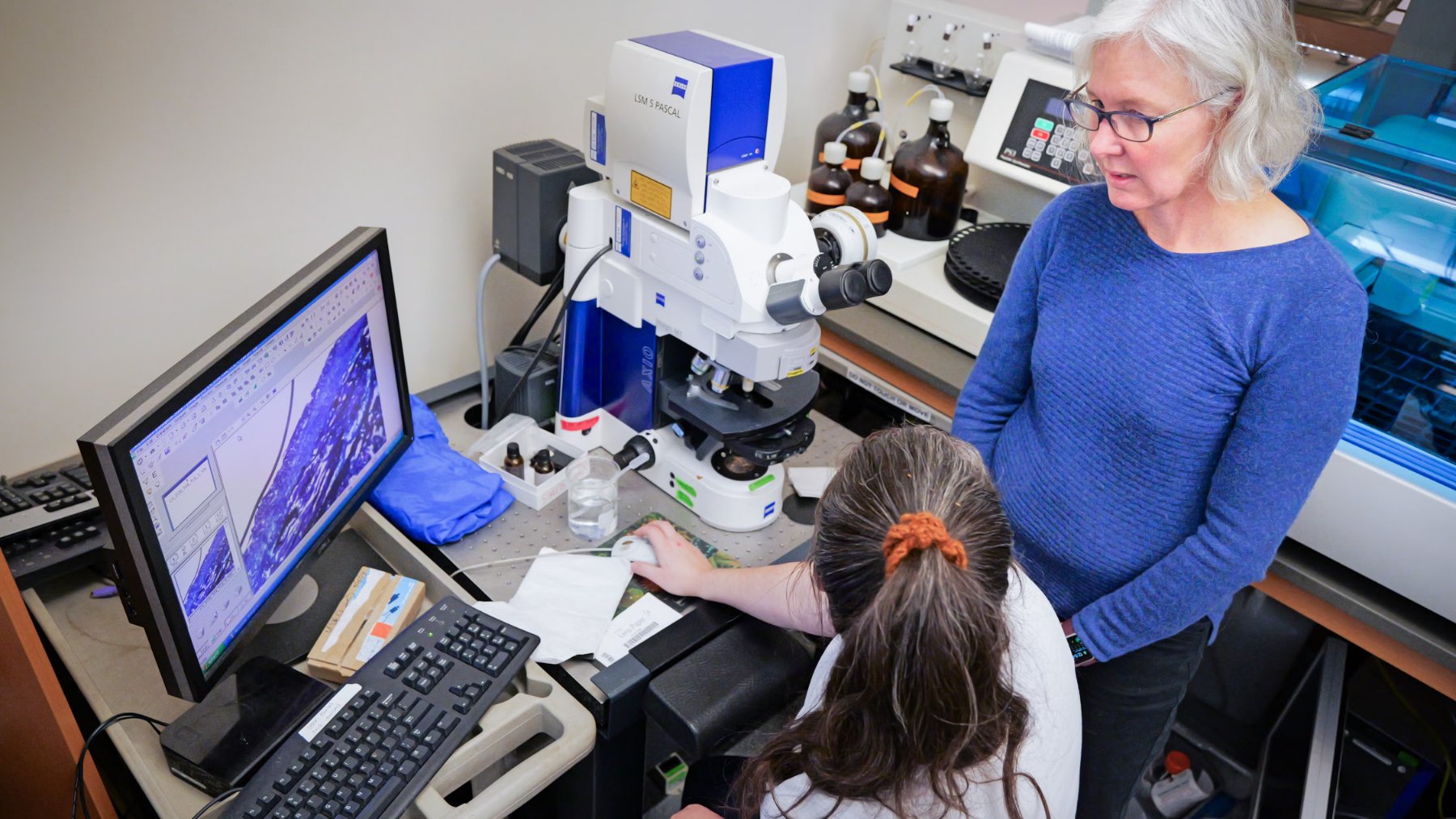
Professor Alona Armstrong of Lancaster University has helped lead work on agrivoltaics and solar park management. With Professor Piran White of the University of York, she helped develop the Solar Park Impacts on Ecosystem Services tool, which uses evidence to guide decisions on wildflower meadows, hedgerows, wetlands, soil health, and other habitat choices.
Better design from the ground up
Blending animals and panels also changes the engineering conversation. Once sheep are part of the system, a solar site has to think harder about cable protection, frame height, maintenance access, and hardware tough enough to handle real animals in real weather. That may sound simple, but simple details are often what decide whether a project works.
The result is a model that can be easier to maintain and more accepted by nearby communities. People worried about the electric bill may see the electricity. Farmers may see grazing space. Local residents may see fewer noisy mowers, less exhaust, and more life between the rows.
What Westmill shows
Westmill is not a magic fix for every solar debate. Some land should remain focused on food, some habitats need extra protection, and experts warn that poor design can still harm soil or wildlife. But the project shows that solar farms do not have to be single-purpose places.
At the end of the day, what it is trying to do is rewrite the field’s job description. A site can produce power, feed sheep, support pollinators, protect soil, and teach visitors what community energy looks like up close. That is a quieter kind of energy transition, but maybe a more durable one.