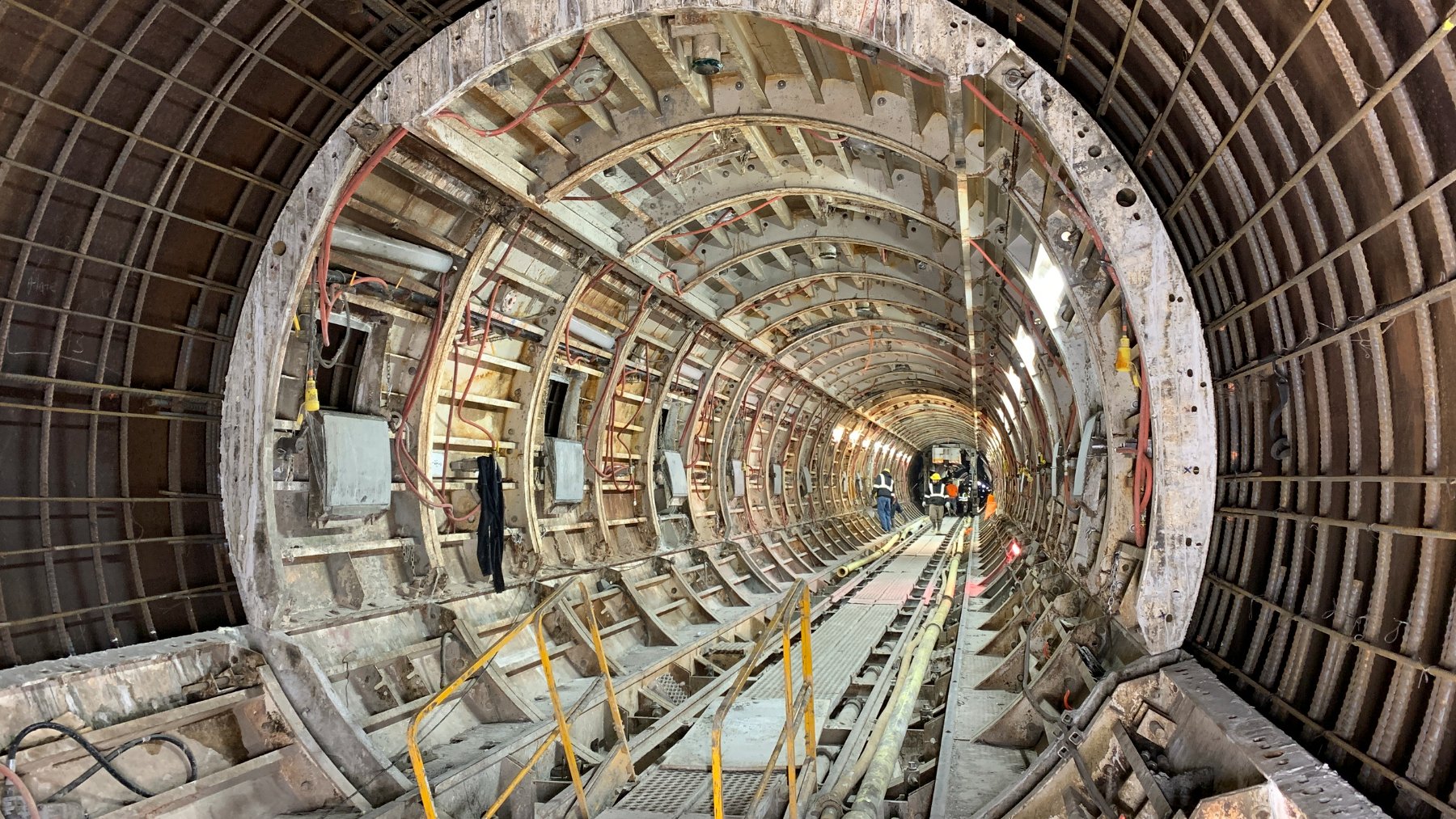
An American city is cutting a hidden tunnel through solid rock beneath a creek to solve a problem most people only notice after heavy rain. In Lynchburg, Virginia, crews are building a 4,744-foot sewage and stormwater tunnel under Blackwater Creek, with the structure running 70 to 120 feet below the surface.
The project is meant to hold up to 4.7 million gallons of combined sewage and stormwater during major storms, then send that flow back for treatment instead of letting it spill into local waterways. City officials say the full project is expected to be completed in fall 2027, and the tunnel should go into operation shortly after.
A tunnel under the creek
The project is called LYHBeyond, also known as the Blackwater Combined Sewer Overflow Tunnel. Lynchburg Water Resources describes it as the largest capital improvement project in the city’s history and the biggest step yet to protect Blackwater Creek and the James River from sewage overflows.
The basic idea is simple, even if the construction is not. When heavy rain hits, the tunnel acts like a giant underground holding tank, storing the dirty mix until the system has room to move it safely to the Water Resource Recovery Facility.
That matters because the tunnel is not being built for show. Once finished, it is expected to help cut Lynchburg’s combined sewer overflow volume by 98 percent compared with where the city started in 1979.
Why sewage overflows happen
A combined sewer system carries rainwater, household sewage, and some industrial wastewater in the same pipe. In dry weather, that flow can usually reach a treatment plant, but during wet weather the pipe can be overwhelmed.
When that happens, untreated stormwater and wastewater can pour into nearby water bodies. The U.S. Environmental Protection Agency says these events are called combined sewer overflows, and they are regulated under the National Pollutant Discharge Elimination System.
In practical terms, it is the kind of old infrastructure problem that hides under streets until a storm exposes it. Nobody wants sewage in a creek after a downpour, especially near trails, neighborhoods, and the river systems people use and care about.
Blasting through solid rock
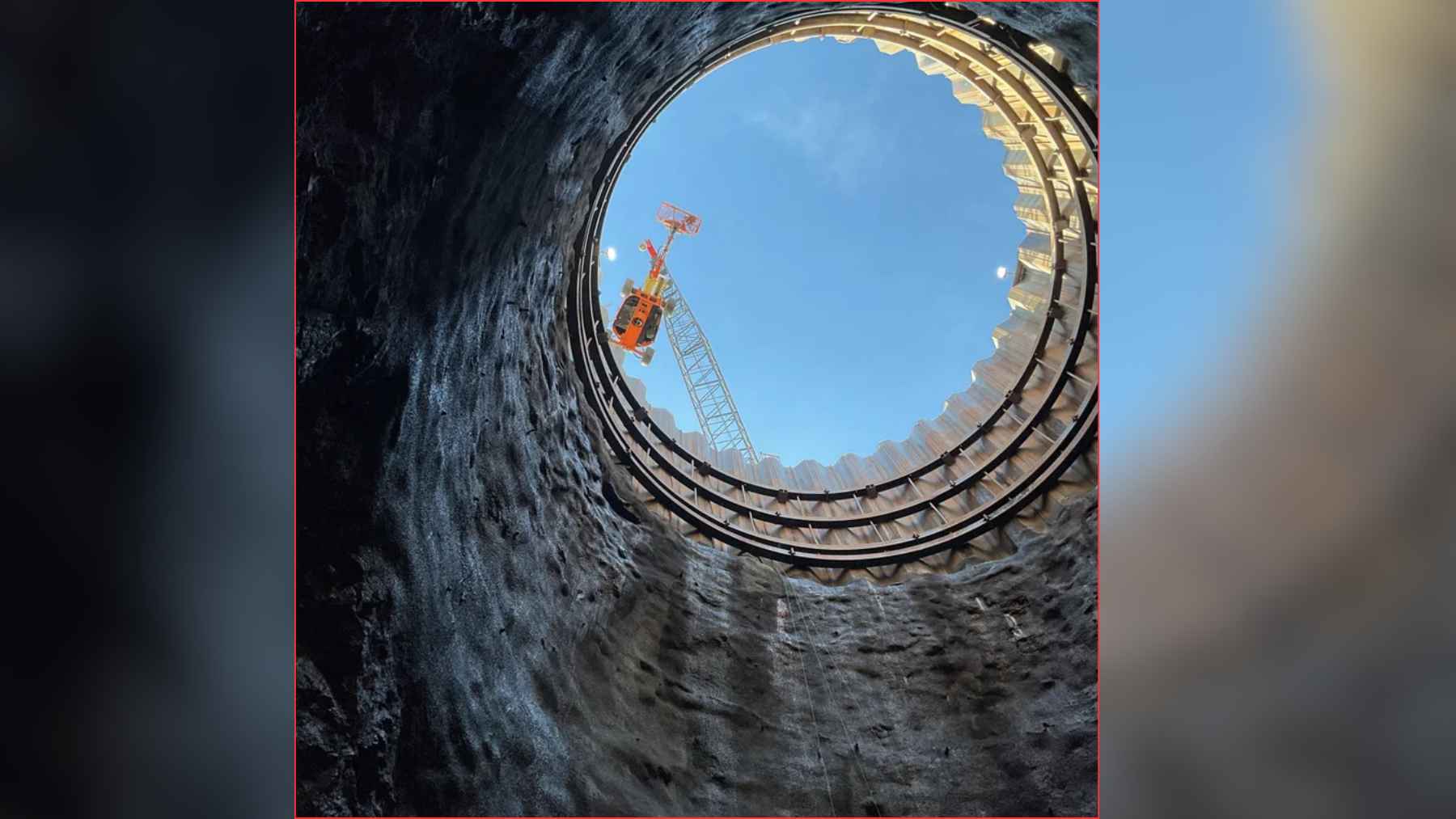
The most striking part of the Lynchburg project is how the tunnel is being carved out. Crews are using a drill-and-blast method, which means drilling holes into rock, placing blasting material inside, detonating it, and removing the broken rock.
The work began carefully. The first test blast was scheduled for January 13, 2025, using only 25 percent of the blasting material used in a typical blast. Each detonation is preceded by five short air horn blasts five minutes before the blast, then another series one minute before it.
After the blast, a long horn signal gives the all clear. A second long blast tells crews the tunnel shaft is safe to enter. It sounds almost old-fashioned, but deep underground, those signals are part of keeping a complicated job orderly.
A hidden construction site
Much of the work happens inside a 38-foot-wide shaft at the Seventh Street site in downtown Lynchburg. The shaft is covered to reduce noise and keep blasted rock contained, which matters for people living or working nearby.
At first, the pace was expected to be one or two blasts per week. The city later planned for more frequent blasting as excavation advanced, with less noise reaching the public as crews moved deeper into the tunnel.
By June 1, 2026, more than 4,200 feet of the tunnel path had already been excavated through drill-and-blast methods. Tunnel excavation was expected to be completed in summer 2026, even though the full project timeline stretches into fall 2027.
More than a local repair
The price tag shows the scale of the work. Lynchburg’s latest update put the total project cost at $104 million, with $75 million covered through grants. That is a lot of money for infrastructure people will rarely see once it is done.
Atkinson Construction is building the tunnel, while Stantec was contracted for planning, design, and project management. Earlier city information said the tunnel is the final major piece of a 45-year program that had already eliminated 115 of Lynchburg’s 132 original overflow points.
Is it worth digging this deep for cleaner water? City officials are making the case that it is, especially because the project is designed to protect public health, improve water quality, protect aquatic life, and provide more sewer capacity for future growth.
A problem across the country
Lynchburg is not alone. The Government Accountability Office reported in 2023 that about 700 U.S. municipalities have combined sewer systems, and heavy rainfall can overwhelm them, sending raw sewage into waterways.
That makes the Blackwater tunnel part of a much larger national story. Many older cities still depend on sewer systems designed for a different time, before modern growth, stronger storms, and today’s water-quality expectations changed the math.
In Lynchburg, the solution is not a small pipe replacement or a quick patch. It is a nearly mile-long underground chamber cut through rock beneath a creek, meant to keep millions of gallons of polluted overflow out of the water when the next big rain hits.
What comes next
The tunnel will not make headlines every day once it is finished. That is the strange thing about successful infrastructure. When it works, most people simply notice fewer problems.
Tim Mitchell, director of Lynchburg Water Resources, described the project as largely hidden because it is happening almost entirely underground. He said taking people down into the tunnel helped show “the scale and importance of this effort.”
At the end of the day, LYHBeyond is a bet that the best way to protect a creek may be to build something most residents will never see.
The official project information has been published by Lynchburg Water Resources through the LYHBeyond project site.