Students at a high school in central Rome have helped bring an ancient Roman house back into view, and the story started in the most ordinary place imaginable. Not under a museum, not under a palace, but under a school gym, just a short walk from the Colosseum.
Archaeologists have confirmed that the buried structure is part of a large Roman domus, a wealthy private home, dating to the middle of the second century. The find, now known as the Domus Liceo Cavour, shows how much of ancient Rome still lies folded beneath streets, classrooms, and everyday life.
Rumors under the gym
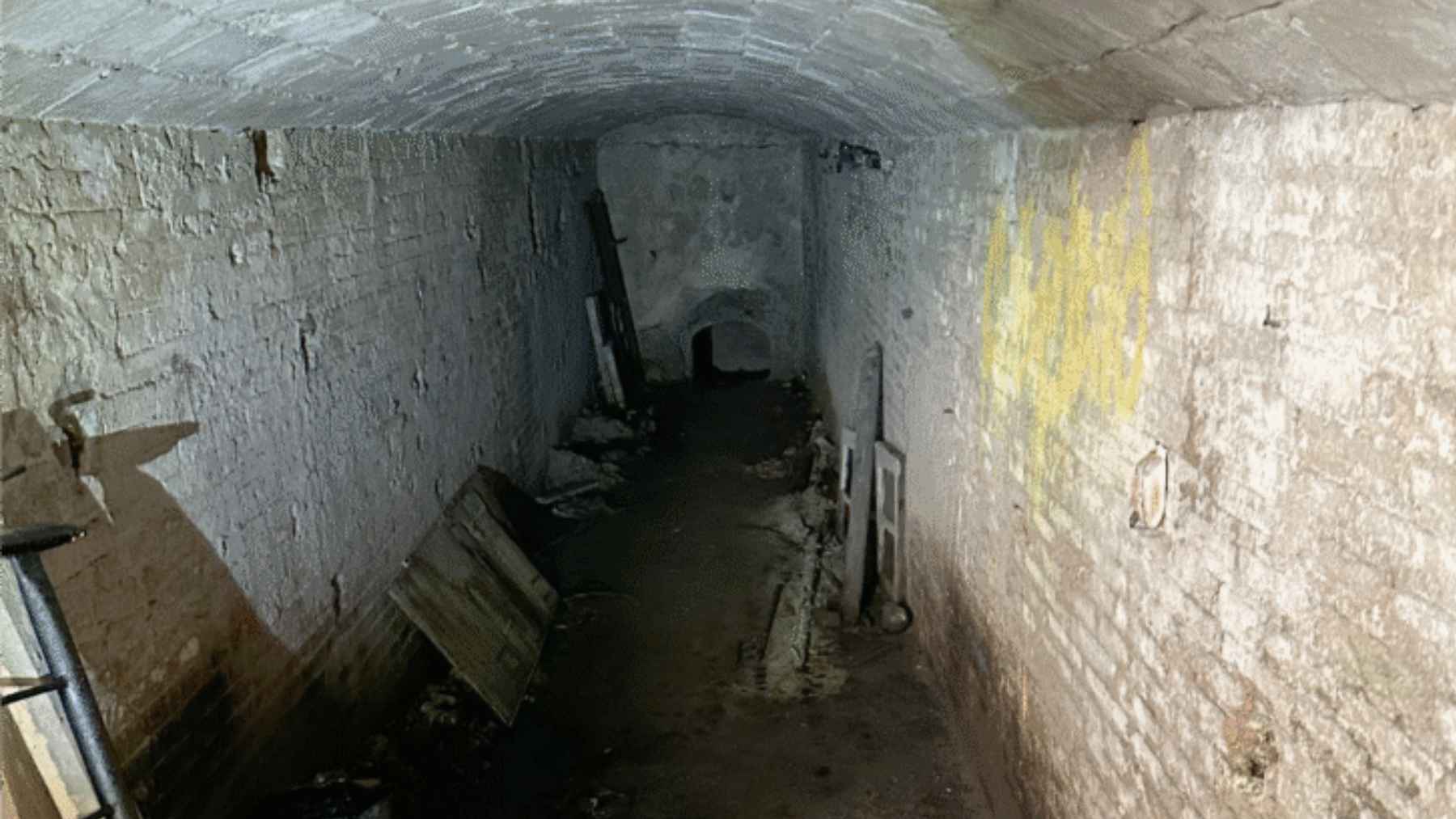
For years, students at Liceo Scientifico Cavour traded stories about hidden rooms below the school. The rumors sounded like the kind of thing teenagers might make up between classes, but curiosity kept pulling some of them toward the dark underground corridors.
During unauthorized explorations, students noticed unusual brickwork, arches, and old spaces that did not look like ordinary service tunnels. They alerted teachers, and the discovery eventually reached professional archaeologists, who began a more careful investigation.
What a domus was
A domus was not just a house. In ancient Rome, it usually meant a large private residence owned by a wealthy family, with decorated rooms, open spaces, and signs of comfort that most people never had.
Think of it as the Roman version of an elite city home. Instead of a garage, TV room, or backyard grill, there could be painted walls, mosaics, and carefully designed spaces meant to impress visitors.
What archaeologists found
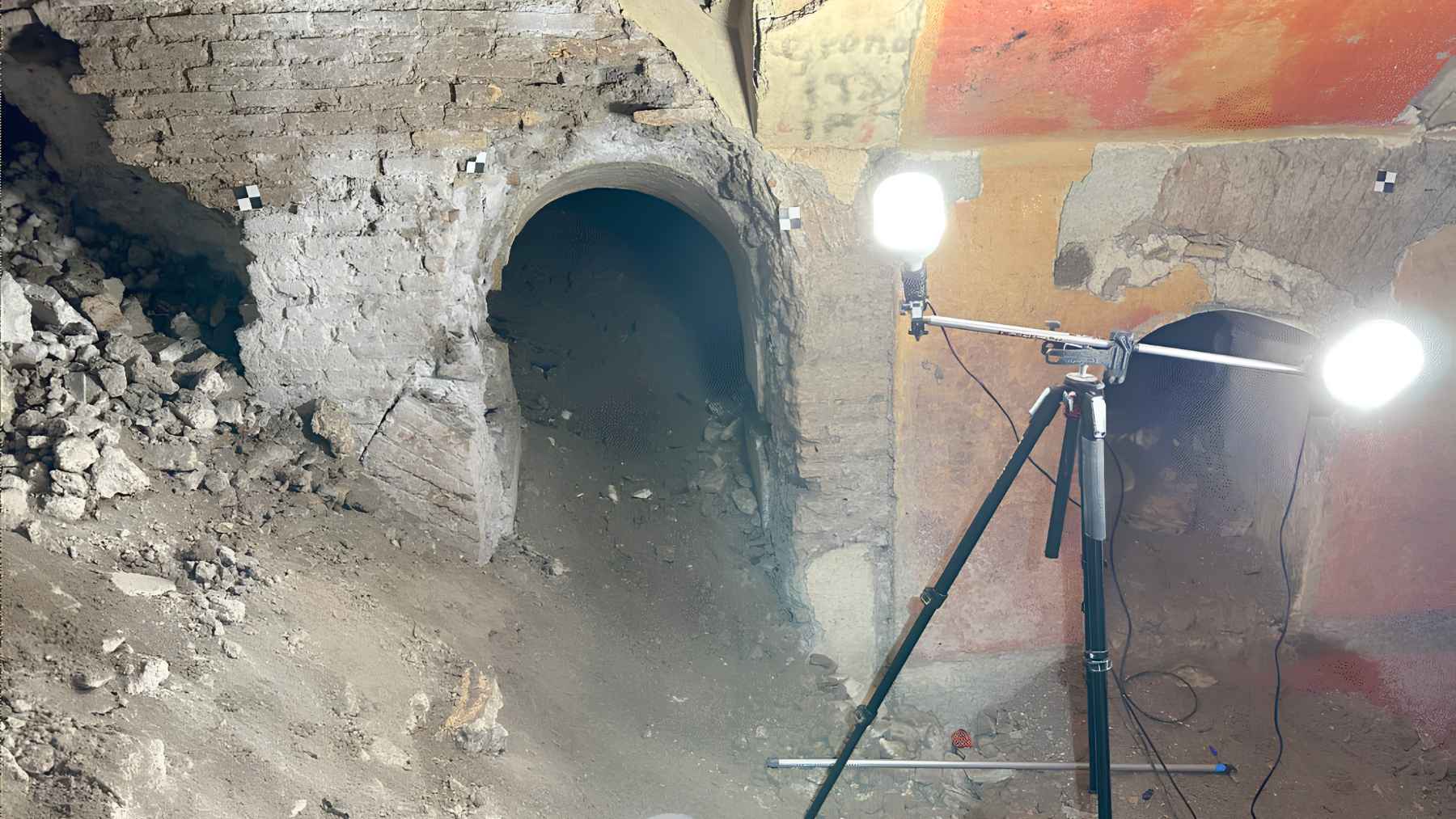
The remains under the school include five visible rooms, vaulted ceilings, decorated walls, and traces of paintings with floral designs and human figures. Some parts are still buried, and two of the visible rooms are not included in the current phase of work.
One of the most striking details is the survival of paint and stucco on the walls and ceilings. Stucco is a plaster-like material used for decoration, and in this case it helps show that the home belonged to people with money, taste, and access to skilled workers.
A neighborhood of power
The domus sits in Rome’s Rione Monti area, between the ancient Carinae and Esquiline districts. That was a major zone in the ancient city, close to the center of political life and not far from places linked with figures such as Cicero, Pompey, and Octavian, who later became Augustus.
That does not mean those men walked through this exact home. Still, the broader neighborhood mattered, and that is the point. A school rumor has opened a small window into a part of Rome that is famous, crowded, and still surprisingly hard to study because modern buildings sit on top of older layers.
Clues to the owners
Archaeologists also have a possible clue about the people connected to the residence. During earlier work in 1895, a lead water pipe was found with the names Umbria Albina and L. Fabius Gallus, a detail that helps place the house in its social and historical setting.
That clue does not tell the whole story. Ancient homes changed hands, families moved, and later construction damaged parts of the site. But it gives researchers a starting point, which is often how archaeology works.
Old walls, new graffiti
The site does not only hold Roman traces. Archaeologists have also found much more recent graffiti left by students, tourists, and other underground visitors during the twentieth century.
That detail is messy, but it is useful. It shows that people knew about parts of the hidden spaces before, even if the structure had not been fully documented or properly protected. The past was there, waiting under sneakers and gym floors.
Why the find matters
The discovery matters because it turns a school into a living history lesson. Instead of reading about ancient Rome only from a textbook, students may one day help explain a real Roman house beneath their own campus.
It also reminds us how layered Rome really is. In many cities, a basement is just a basement. In Rome, it might be a doorway into a home built nearly 1,900 years ago.
What happens next
The site is part of a restoration and public access project backed by about $400,000 in funding, based on the official listed amount and the recent exchange rates. The work includes restoration, safer access, ventilation, educational materials, and plans to make the area easier for visitors to understand.
The public presentation of the Domus Liceo Cavour took place on May 28, 2026, with teacher Claudia Marino and University of Perugia archaeologist Filippo Coarelli among the key figures connected to the announcement. Not bad for a story that began as a school legend.
The main official restoration work has been published by Cantieri Narranti.