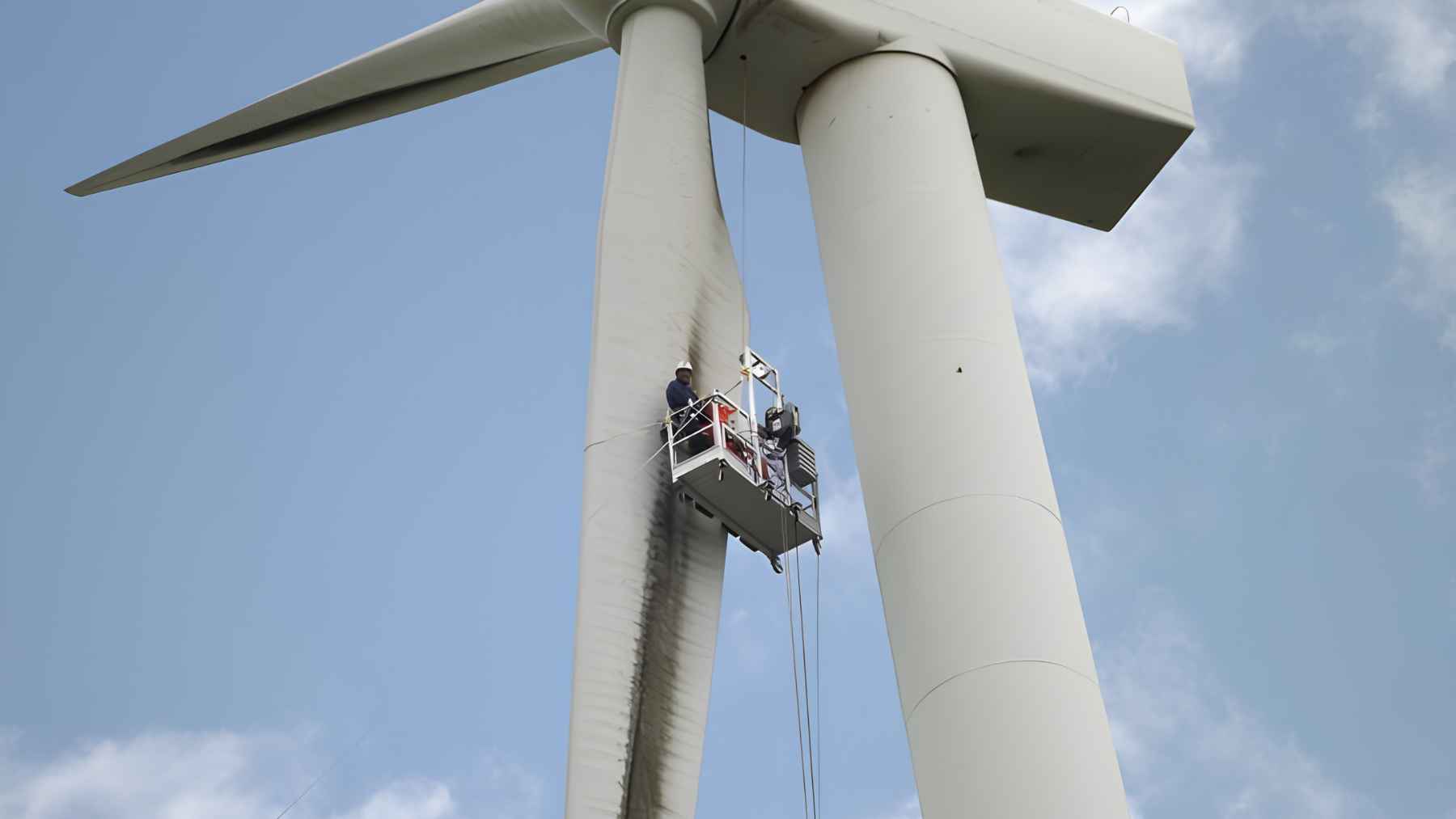
A wind turbine can be working perfectly and at the same time underperform when wind speed increases. A landmark Nature study found that insects stick to the front edge of the blades during periods of light wind. These deposits might not cause major problems immediately, but it can affect performance later. The fact that the issue is not identified right away causes it to be easily overlooked.
According to researchers, production losses were as high as 25 percent, and some turbines in high winds produced just half of the predicted output for their design. This fault was not due to machinery failure. The solution was quite easy, and performance was restored by simply cleaning the blades.
The problem starts with calm, warm weather
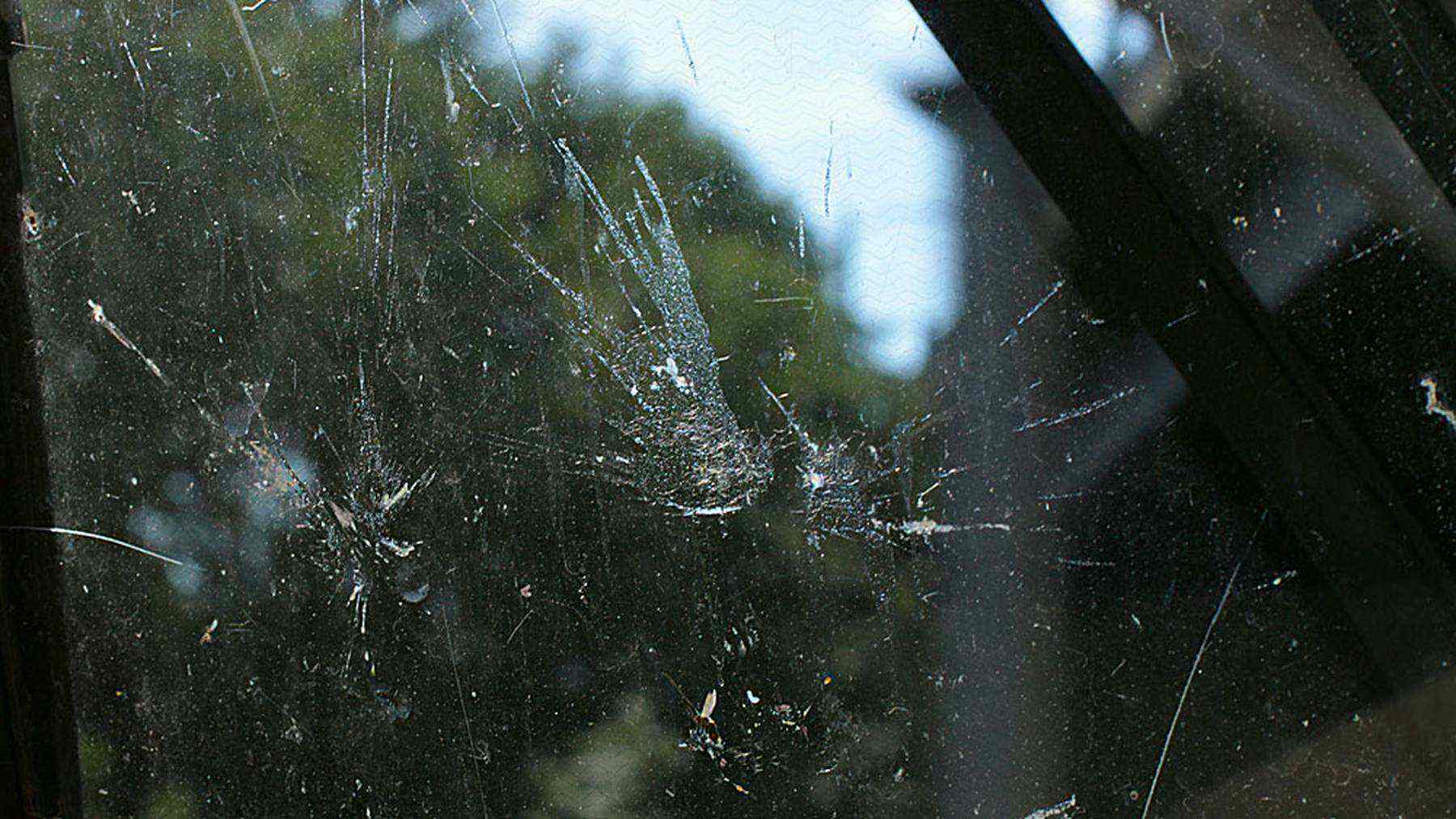
During humid and low-wind conditions, insects are more active, and the study carried out in 2001 found activity above about 50°F (10°C). As blades rotate, insects hit the front edge and leave residue on its surface, similar to what happens with marks on a car windshield during a summer drive. However, while operating at low wind speeds, turbines usually keep producing normally.
The problem appears once the wind gets stronger. The buildup present on the blade changes how air moves through it. The airflow loses contact with the surface earlier than it should, so this reduces the lift needed to move the rotor efficiently. Although this damage is not noticeable right away, insects collected during calm weather can eventually lower output when the weather changes.
A thin strip made the difference
Corten and Veldkamp compared two different turbines located just 50 meters (164 feet) away from each other, both of them exposed to almost identical winds. On one turbine, they covered the leading edges with zigzag tape, measuring up to 1.15 millimeters (0.045 inches) thick to imitate the insect buildup. They also used “stall flags” to identify where airflow stopped flowing smoothly. At wind speeds of about 11 to 25 meters per second (approximately 25 to 56 mph), separation increased significantly, spreading across the blade span.
The study showed that at lower wind speeds, clean and rough blades produced similar power. Once the wind speed increased, the clean machine generated more electricity. This explained how turbines operating in winds with identical speed can show very different power levels. It is important to clarify that, although in some cases output fell by around 50 percent during certain high-wind conditions, it does not mean that the turbines lost half their production during the whole season. The study estimated that the maximum overall loss was 25 percent.
The numbers of insects affected is less certain
These marks raise a second question: how many insects are actually hit? In 2018, German Aerospace Center model suggested that around 24 trillion insects pass through German wind farms between April and October. Researchers found that about 5 percent of them, or approximately 1.2 trillion, may be struck. This figure comes from a model calculation, it is not a national count of dead insects.
A 2021 paper used those figures to estimate the amount of dead insects. An average of 40 million insects are hit per turbine per year in Germany’s temperate climate, but the authors also stated that the result depends on assumptions and still needs more studies to be confirmed. The German Aerospace Center also said that this estimate does not confirm if wind turbines have a significant impact on insect decline. Also, a 2024 review described this topic as poorly studied, although they also believe that turbine location, their color, shape, and heat may attract insects.
A not-so-easy solution
The researchers monitored four turbines over time, and found that their performance in strong winds improved significantly after the blades were cleaned, either by workers or by rain. Of course, operators cannot rely on rain for routine maintenance. The average height of U.S. land-based turbines installed in 2023 is around 339 feet, so reaching the leading edge is a very difficult task that may require rope teams, lifts, or other special equipment.
This is the reason why routine mechanical checks are not enough. Operators also need to monitor the amount of power each turbine produces under different weather conditions. If performance declines after calm weather, it may mean that insect residue in the blades is affecting performance, even if the bearings and control systems seem to be working properly. Researchers are working on automated cleaning systems and protective coatings. However, it is unclear how long these solutions may last, they should be suitable for different blade surfaces, and undergo more consistent testing methods before being adopted.
Reading two ledgers at once
Today, wind energy plays an important role in reducing emissions of fossil fuel, but the infrastructure for renewable energy still affects its surroundings. Insect residue on turbines indicates a loss of electricity, but also, an impact on wildlife. It is easy to calculate the drop in electricity, yet the true number of dead insects is harder to determine. This is why collecting residue samples, DNA metabarcoding and tailored monitoring should also be properly implemented.
So, when wind-farm operators notice output falls after calm weather, they should pay special attention to the surface of the blades.