In a revolutionary study, researchers have found that oxygen may be generated in the deep ocean, challenging prolonged theories regarding its beginnings. This surprising fact, labelled dark oxygen, challenges traditional knowledge as well as raises substantial worries regarding the future of deep ocean environments as mining businesses observe the floor of the ocean for beneficial resources.
Ocean researcher finds oxygen generation in deep ocean mystery
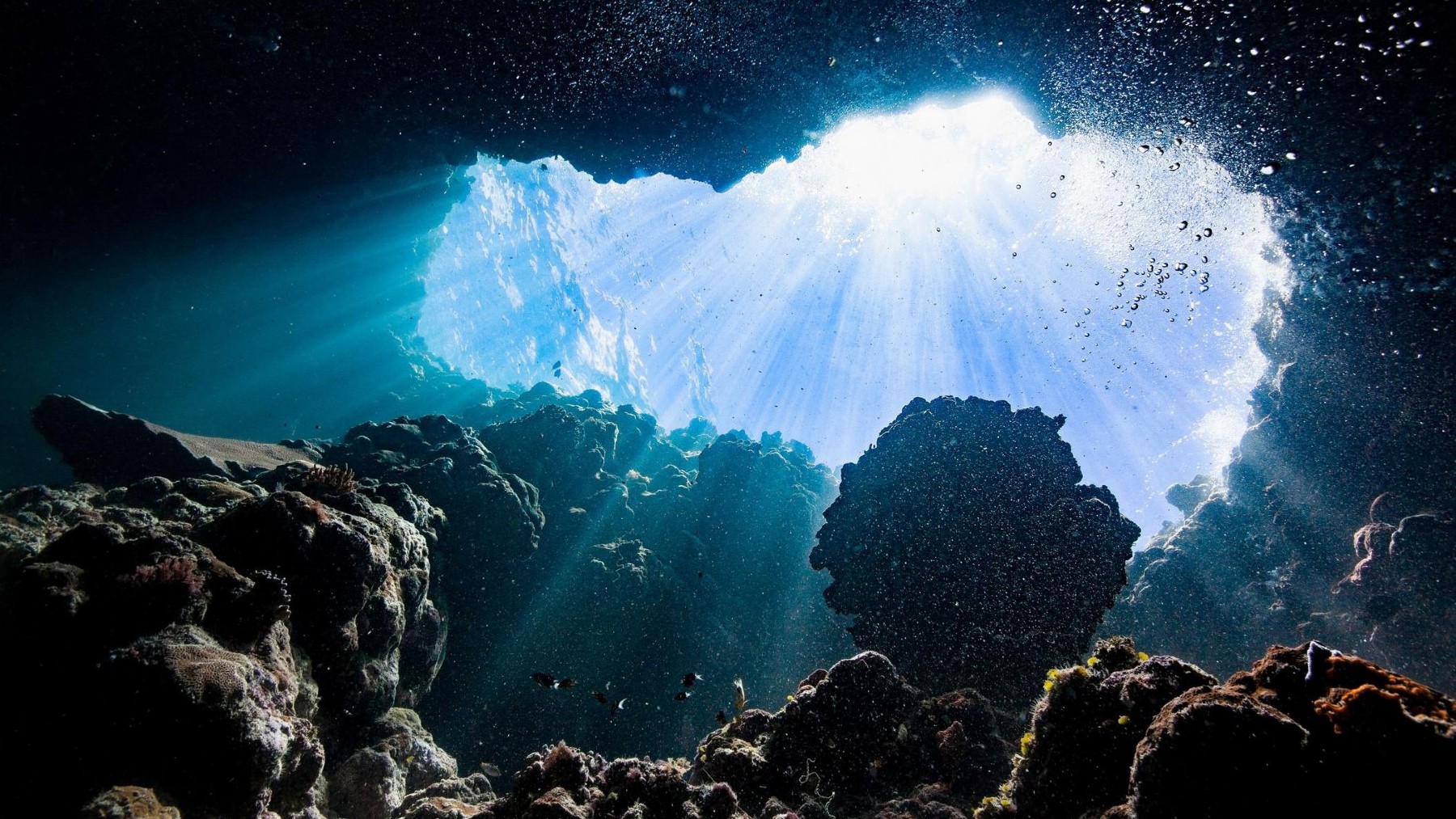
Ocean scientist Andrew Sweetman, in 2013, initially noted a perplexing occurrence whilst carrying out a study in the isolated Clarion-Clipperton Zone, an extensive section of the Pacific Ocean. Sweetman’s sensors signaled that the generation of oxygen was occurring at a depth of approximately 4,000 m, where there is no penetration of sunlight.
Primarily, he thought that his gear was defective, as it was extensively understood that the generation of oxygen was completely the realm of photosynthetic organisms which depend on sunlight. But, after frequent analyses as well as authentication of his gear, Sweetman arrived at an astounding understanding.
Oxygen was being produced on the ocean floor by naturally developing metallic nodules, that are loaded with treasured minerals such as cobalt, along with nickel, as well as lithium. This discovery, recently printed in Nature Geoscience, indicates a new supply of oxygen in our seas, challenging current standards regarding deep ocean environments as well as their operation.
Natural batteries: Oxygen generation may drive metallic nodules
The gateway to comprehending how the metallic nodules generate oxygen remains in its distinctive properties. Sweetman together with his investigative team theorized that the nodules worked like natural batteries, splitting ocean water into hydrogen as well as oxygen over a procedure identified as electrolysis.
When retained in saltwater, the nodules produce electric tides which could enable the parting of water particles, discharging oxygen into the ecosystem surrounding it. Experimentations carried out in the laboratory uncovered that the power produced by the nodules were similar to that of a typical AA battery.
This power, while under the boundary necessary for ocean water electrolysis, indicates that once nodules are grouped simultaneously on the ocean floor, they might generate adequate power to prompt this procedure. This discovery brings about fascinating questions regarding the role of the nodules in supporting deep sea life along with highlighting the probable environmental importance of the dark oxygen generated.
Oxygen sources endangered by deep sea mining, scientists encourage discretion
The finding of dark oxygen has considerable consequences for deep ocean mining, specifically in the mineral abundant Clarion-Clipperton Zone, that is aimed by several businesses. This mining presents dangers to deep ocean environments which rely on these nodules’ oxygen.
Marine researchers, Sweetman included, gives caution regarding the possible ruin of habitats as well as biodiversity in these unfamiliar areas. Petitions have been signed by more than 800 marine scientists hailing from 44 nations for a suspension on deep ocean mining, highlighting the hazards of interrupting massively unfamiliar environments.
Sweetman highlights that the mining sector needs to think about the effect on dark oxygen generation along with the wider ecology. Prior mining efforts in the 1980s triggered substantial damage to marine life, with salvage taking years. Hence, scientific oversight together with additional investigation into this occurrence are necessary before any massive removal happens.
The disclosure of dark oxygen generation in the deep sea casts a thrilling but frightening perception into the complications of marine environments. As scientists persist to solve our oceans’ mysteries, it becomes progressively transparent that there is a lot we do not understand regarding the marine ecosystems.
The possible effects of deep ocean mining on this recent oxygen supply as well as the environments which depend on it guarantee serious regard. As scientists request more inclusive studies, it is essential that we come closer to the likelihood of utilizing the seafloor with discretion, balancing financial concentrations along with the conservation of Earth’s diverse ecosystems.