More than $33 million has been set aside by the US DOE for promoting hydropower and marine energy projects emphasizing their significance in increasing the country’s renewable energy mix. The investment intends to make an energy system that is clean and affordable for future generations.
Renewable energy storage: Making the power secure and viable
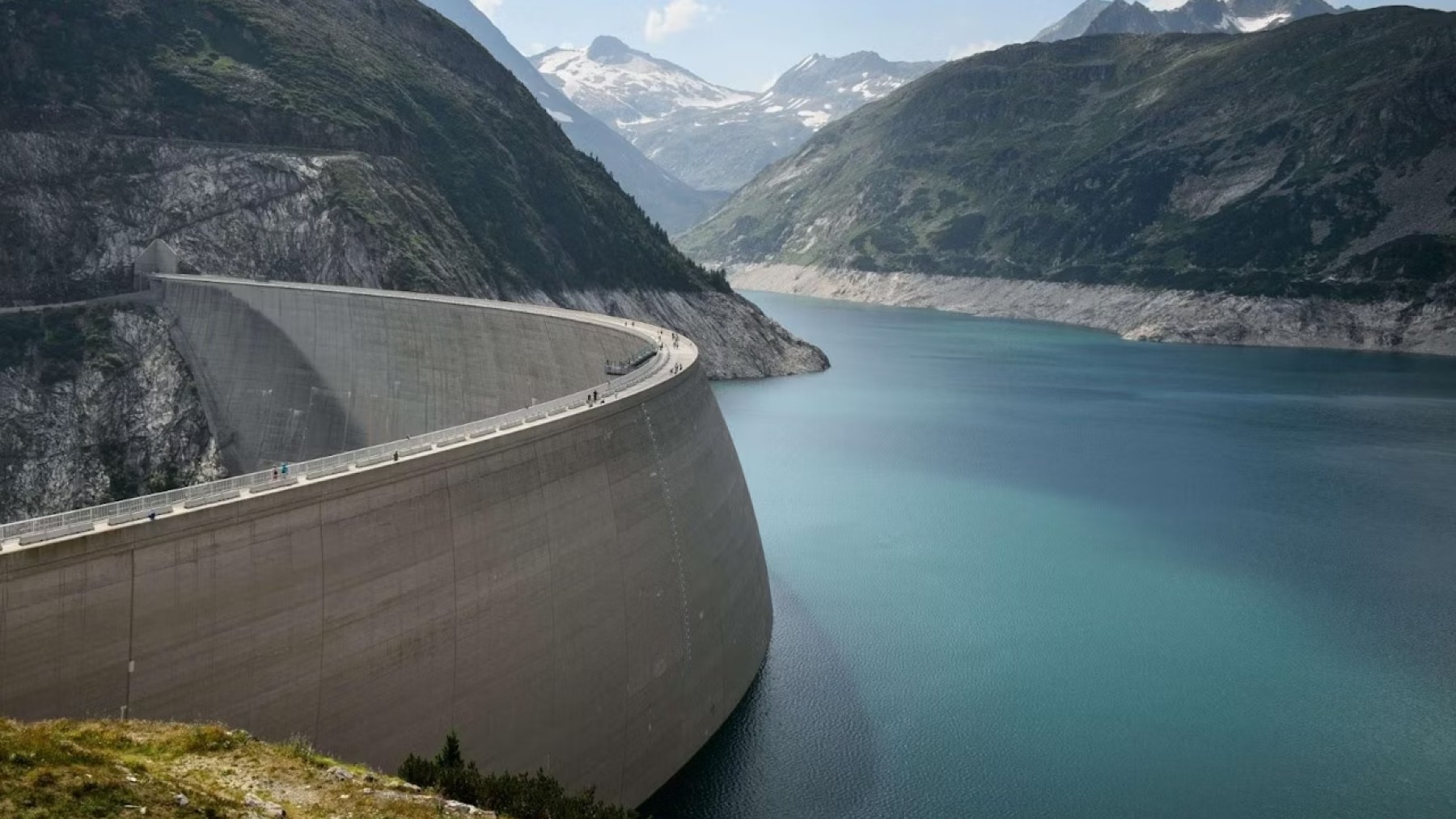
Hydropower is and will remain a main source of renewable energy in the US accounting for approximately 27% of the country’s renewable electricity production.However, if still operating most of the US hydropower assets are almost 79 years old, a need for the so-called modernization of infrastructure is obvious. The DOE, therefore, set aside $430 million for construction works in 33 states which will address the problem of dilapidated infrastructure.
This activity has the objective of refurbishing efficient and resilient systems and components in the hydropower plants like turbines, transformers and control systems so that these plants can operate efficiently even during extreme weather conditions. These improvements are made to enhance stability and reliability of the grid and are expected to lessen the chances of blackouts occurring and facilitate the adoption of renewable energy sources.
The ocean’s energy prospective: DOE’s marine technology financing
Energy derived from oceans in the form of waves, tides, and flowing water is a largely unrealized resource potential, accounting for nearly 57% of existing electricity generating capacity in the US. The investment of DOE includes nearly $25 million towards 25 marine and hydropower research projects at several national laboratories.
These projects is aim at next generation wave and current energy converters for powering outlying coastal communities and the emerging blue economy. With time, technology will develop such that marine energy will become an important resource owing to renewability and enhancement of energy security without degrading the environment.
Environmental hydropower: DOE’s $430m project targets green conservation
The progress in upgrading hydropower facilities in the US is not only about increasing generation capacity. Lots of efforts are devoted to the ecological aspects to reduce adverse effects. Every dam built in the country has a barrier to the free movement of local fauna, which is why the DOE has implemented 60 environmental programs.
Among other things, fish passage structures, which enable fish and other aquatic organisms to avoid dams and migrate without interference are very important. This is important for the ongoing replenishment of the fish stock and the overall ecology of river networks.
The newest generation of turbines resolves the problem of downstream oxygen depletion, an adverse effect common with turbine designs that endangers fish and other aquatic organisms. These development turbines are efficient in controlling the decline of oxygen levels and therefore improve the habitat for fish and other organisms, which is critical for balanced ecological systems.
The DOE’s initiative articulates the incorporation of safeguarding the environment as one of the primary goals of renewable sources of energy promotion, hence ensuring that the advancements of hydropower do not become an over-exploitation of the natural resources.
This initiative consists of over $430 million provided by the Department of Energy and additional $2.38 billion raised from the private sector all in the quest for a more environmentally friendly energy structure. The DOEs capital injection in hydro and marine energy is a significant milestone in the development of a cleaner, more dependable power.
These projects intend to upgrade energy infrastructure and implement new technologies to strengthen energy distribution and reduce their adverse effects, making hydro and marine energy essential components of the entire energy transition in the US.