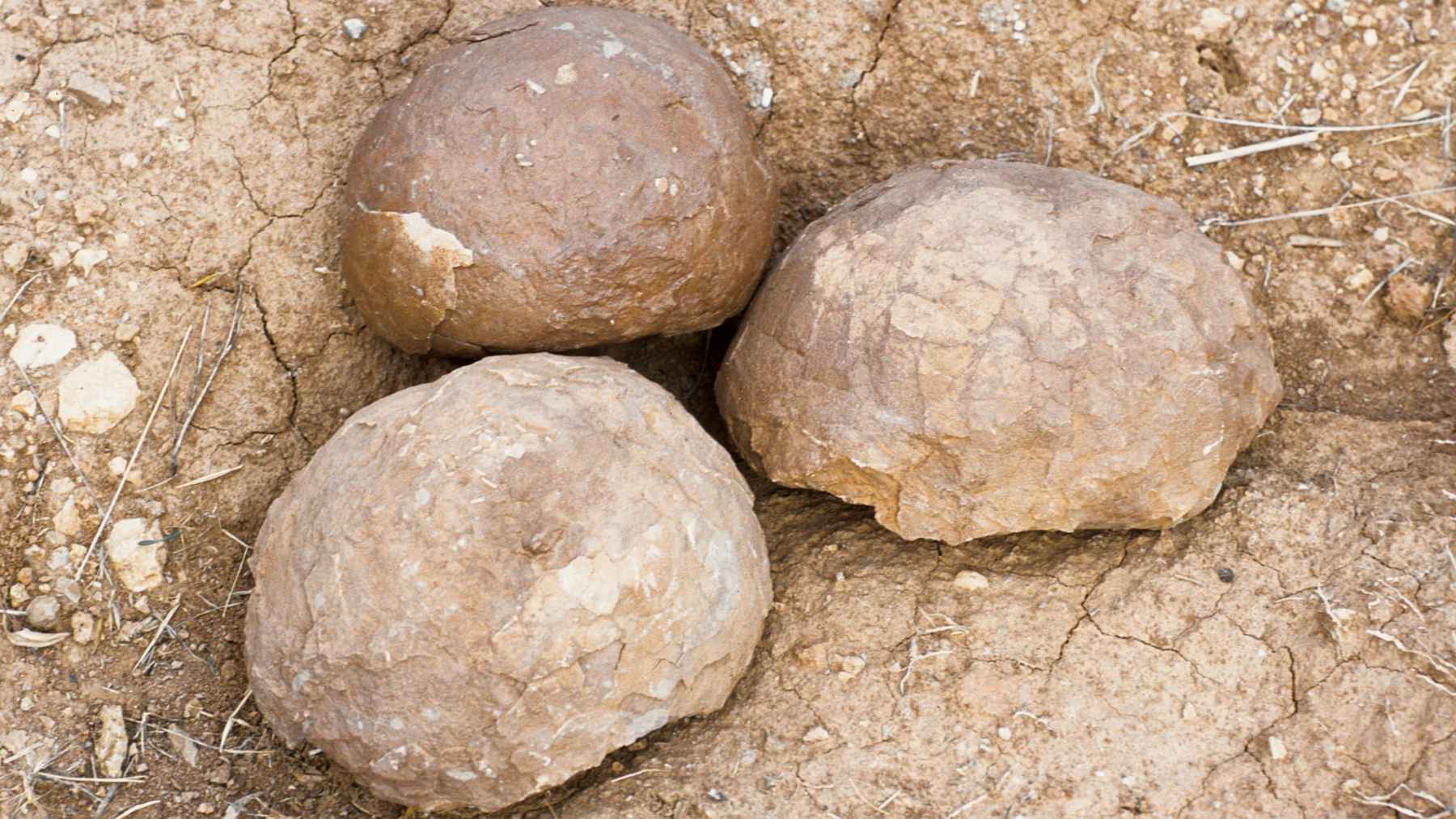
Southern France just got a new reminder that fossils are not always buried deep underground. During a conservation dig in the Sainte-Victoire National Nature Reserve, teams working with the Natural History Museum of Aix-en-Provence counted 552 fossil dinosaur eggs, with help from more than 160 volunteers. The operation is supported by the Department of Bouches-du-Rhône, which manages the protected site.
For anyone who has ever kicked a “boring” rock on a trail, this is a good reminder that looks can be deceiving. Nesting sites like this can reveal how dinosaurs reproduced, whether they nested close together, and what the local environment was like during the Late Cretaceous, the last stretch of dinosaur time. The big question is simple and stubborn: could an egg still hide an embryo?
A reserve built around eggs
According to National Nature Reserves France, the Sainte-Victoire reserve covers 140 hectares, about 346 acres, and was created in 1994 to protect fragile fossil layers. It includes a closed core area called Grands Creux plus a protective perimeter, because the egg-bearing red clays and sandstones erode easily.
The same profile notes the eggs have been known since 1947 and that only about 10 comparable sites have been identified worldwide.
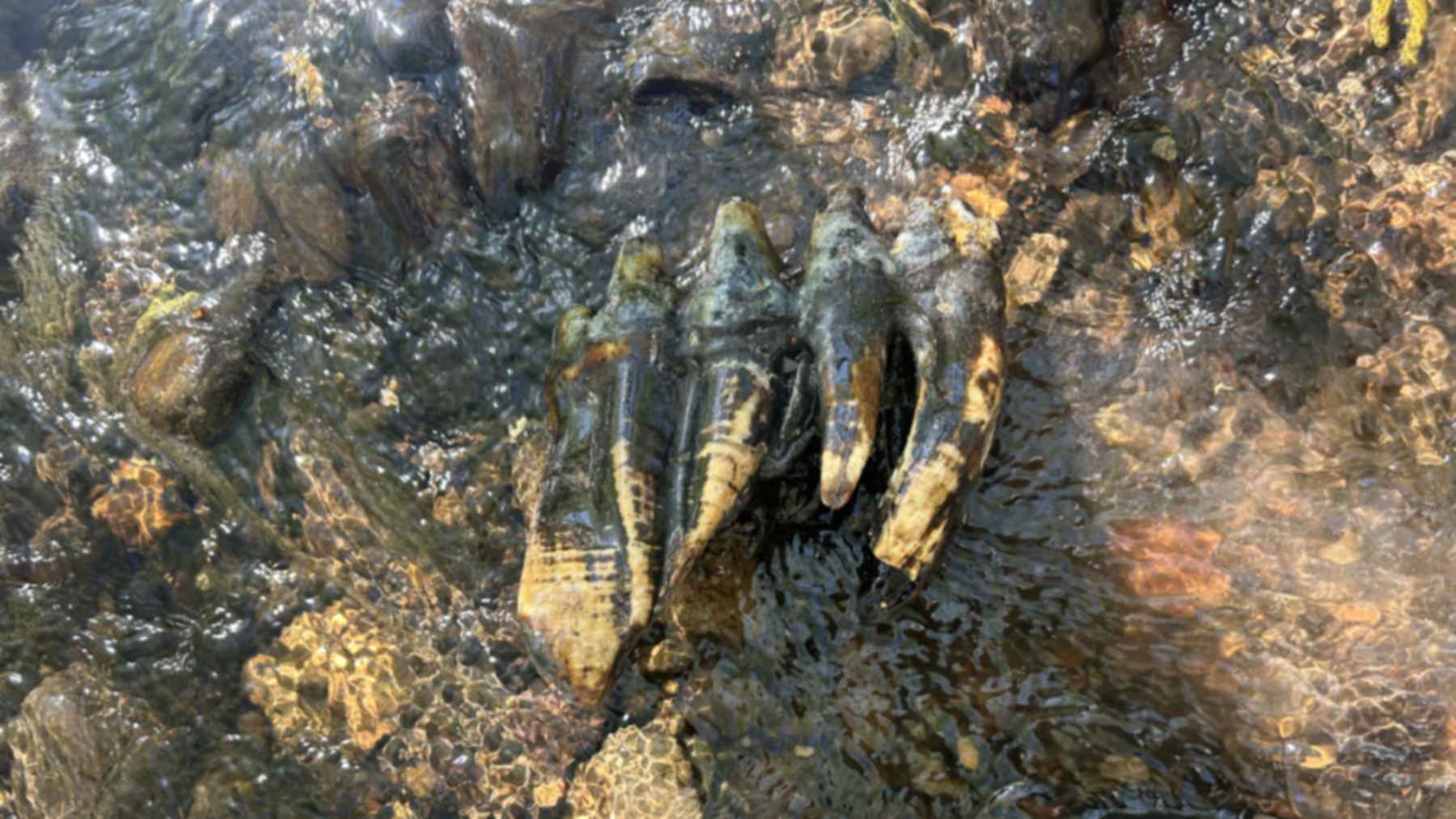
Postwar fieldwork around the Roques-Hautes sector helped identify around a dozen egg-rich outcrops, turning this corner of Provence into a reference point for paleontologists. That is also where the nickname “Eggs-en-Provence” took hold, a playful label that stuck because eggshell fragments can be surprisingly common at the surface. Not everyone gets to wander through the best spots anymore, but the scientific value is exactly why the area is locked down.
From egg hunting to real data
At the CNRS research lab LAMPEA, researcher Thibaut Guiragossian has summarized years of work in the reserve that goes beyond simply picking up eggs. The team has been excavating the Grands-Creux area systematically since 2015, documenting several hundred eggs, including some that did not hatch, and recording their positions in detail.
Layer-by-layer digging is like reading a messy history book from the bottom up, because each layer can represent a different nesting season. When eggs are mapped instead of pocketed, scientists can ask better questions. Did dinosaurs nest shoulder to shoulder like seabirds, or spread out, and did they return to the same ground year after year?
This is slow work with small tools, the kind of patience you might use to clean sand out of a bike chain. But it turns a fossil find into evidence about behavior, not just a display piece.
Clues about the dinosaurs
The news agency Agence France-Presse quoted paleontologist Thierry Tortosa saying researchers are “literally walking on eggshells” in parts of the reserve. The report described eggs dating to about 75 million years ago, with some reaching roughly 12 inches across, and estimated densities of about one egg per 11 square feet in the most concentrated patch. Tortosa also said, “Until we find embryos inside, we won’t know what kind of dinosaur laid them.”
Round eggs usually point to plant-eating dinosaurs, and scientists have suggested candidates like titanosaurs, the massive long-necked group that could weigh many tons, comparable to several elephants. That does not mean every egg belonged to the same species, because eggs can look similar across related animals. Without embryos or clear bones in the nest, the identification stays cautious.
Embryos are rare because soft tissues decay fast, and even bones are easily crushed as sediments pile on. Finding one would be like opening a time capsule that still has the label inside.
What the shells can reveal
Even an empty egg can carry useful clues in its shell. One key trait is porosity, the tiny holes that let a developing baby breathe, like vents in a winter jacket. The number and size of those holes can hint at how the egg was incubated.
In 2015, researcher Kohei Tanaka at the University of Calgary and colleagues tested whether eggshell porosity can predict nest style across living reptiles and birds, then used the same idea to interpret dinosaurs.
Published in PLOS ONE, their work found porosity patterns that can help distinguish eggs likely covered or partly buried in nesting material from eggs more exposed in open nests.
If Sainte-Victoire eggshells are preserved well enough, porosity measurements could help test whether eggs were buried in damp material or left more exposed. That kind of detail sounds niche, but it feeds directly into bigger questions about climate, flooding, and parenting.
Why it matters beyond Provence
Most dinosaur fossils are bones, which is a bit like judging a whole movie from a single still frame. Nesting grounds add the missing scene about family life, including where dinosaurs chose to lay eggs and how risky that choice was in a landscape shaped by water and erosion. It also helps museums, parks, and local officials decide what needs protecting first.
Egg discoveries also connect France’s Late Cretaceous record to the much older beginning of the dinosaur story. In Nature, Christopher Griffin and colleagues described Mbiresaurus raathi from Zimbabwe, one of Africa’s oldest definitive dinosaurs, and argued that climate barriers shaped where early dinosaurs could spread.
For Sainte-Victoire, the next steps are fairly down to earth. Keep counting, keep mapping, protect the site, and hope that one day a rare egg with an embryo finally turns up.
The official announcement has been published by HOP.