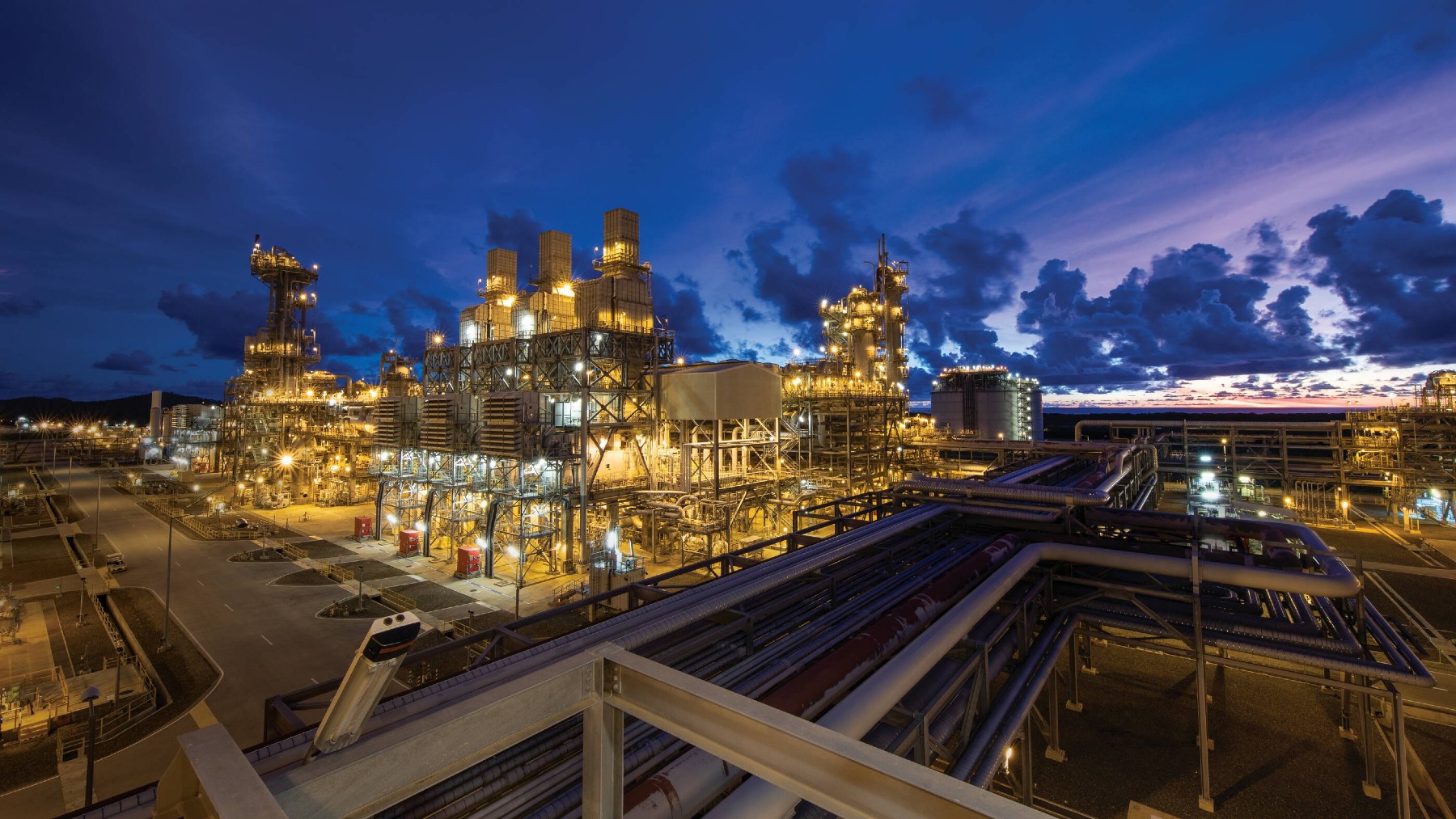
In the search for clean renewable energy, American companies are working on many different solutions. Exxon Mobil has plans to build the largest hydrogen factory in the world to produce a clean fuel source for all mankind. The hydrogen refinery in Baytown, Texas, is already producing hydrogen, and Exxon Mobil wants to scale up production to try and meet net-zero carbon emission goals in a few decades.
A simple gas could change the future of energy in America and around the world
Hydrogen is the lightest element on the periodic table. In nature, it is found in water and in combination with other elements. Scientists discovered that hydrogen could be used as fuel in the 1830s. If you force hydrogen and oxygen to combine inside a cell, the reaction releases energy and water vapor. This is called the “fuel cell effect.” The only byproduct of using hydrogen to create energy is water vapor, making hydrogen a clean fuel.
One concern about using hydrogen as a clean energy source is whether or not there is enough hydrogen to last forever. Technically, hydrogen is a renewable resource, even though it doesn’t occur by itself in nature. There are a few different ways to create individual hydrogen atoms. These techniques are:
- Natural gas reforming.
- Electrolysis.
- Biological processes.
- Solar-driven processes.
The method that is used most often today is natural gas reforming. To do this, companies have to extract natural gas from the Earth and combine it with steam to end up with hydrogen.
Exxon Mobil is on a mission to refine 1 billion cubic feet of hydrogen in a low-carbon facility
Exxon Mobil is at the forefront of hydrogen fuel production in America. The company built a hydrogen refinery in Baytown, Texas, and the goal is to produce 1 billion cubic feet of hydrogen for domestic use and for export. Exxon is committed to keeping the carbon emissions at its hydrogen facility low. However, the company uses a natural gas reforming process to make hydrogen, and there are some greenhouse gas emissions as a result.
Working with a company called Air Liquide, Exxon plans to reduce its carbon footprint while increasing the production of hydrogen and ammonia, which is used to transport clean hydrogen. Air Liquide is bidding to build oxygen production facilities, and Exxon would also be able to use its partner company’s pipelines.
Hydrogen is currently the best clean energy option for the industrial and transport sectors
Much of the planet’s daily energy needs could possibly be met by solar and wind power. However, the heavy industrial and transportation sectors probably won’t be able to run off of clean electricity. Giant transport ships and other industrial equipment and machines will need a clean fuel source to maintain production. Hydrogen may be the best option for these sectors.
Exxon Mobil has been in the oil and gas industry for a long time, but the company wants to move toward a sustainable future for the planet. To do that, Exxon is investing in hydrogen production so that it can sell clean hydrogen fuel to transportation companies and for other industrial uses. With the help of companies like Air Liquide, Exxon hopes to see hydrogen become a key source of clean fuel in the near future.
Despite having to work with restrictive regulations in America, Exxon Mobil wants to move forward with hydrogen production at its refinery in Baytown, Texas. The company will continue to rely on natural gas reforming to produce hydrogen, but there are plans in place to reduce greenhouse gas emissions from the refinery to keep it designated as a low-carbon facility. That way, Exxon can help the world embrace the benefits of hydrogen fuel without adding to the climate crisis.