It’s almost impossible to think of ancient tombs without imagining deadly traps hidden along the way. After all, Hollywood taught us that. Who doesn’t remember Indiana Jones’s rolling boulder or the invisible arrows that nearly hit Lara Croft? The image has become so engraved in our collective mind that, for many, exploring a tomb automatically equates to facing lethal weapons. But what’s true in this narrative? Did some pharaoh or emperor really order the construction of automatic defense systems capable of eliminating invaders in seconds? Or are we just repeating stories created for the big screen? To answer this, we need to look at different cultures, from Imperial China to the pharaonic Egypt, including Mesoamerican civilizations, and separate myth from reality.
Myth or reality: Did ancient tombs ever hide deadly traps?
From a very early age, we associate the unknown with danger. Tombs and pyramids, in and of themselves, evoke a certain mystery. When Hollywood added giant stones, poison darts, and false floors, the popular imagination gained powerful fuel. Remember, these representations didn’t emerge out of nowhere. Architectures with narrow passages, closing walls, and hidden chambers seemed perfect for fueling stories about hidden defenses.
Even if Hollywood has exaggerated, ancient peoples did indeed devise ingenious solutions to protect their dead. The tone, however, was different: less cinematic spectacle and more pragmatism. Instead of rolling stones or poison darts shooting from walls, we find architectural systems, toxic substances, and, in some cases, legends that blend fear and reality.
Silent guardians: how ancient tombs turned architecture and poison into their deadliest traps
In China, the best example is the mausoleum of Qin Shi Huang, built between 246 and 208 BC and guarded by a terracotta army. Accounts by historian Sima Qian describe that:
“Craftsmen were ordered to make crossbows and arrows primed to shoot at anyone who enters the tomb. Mercury was used to simulate the Hundred Rivers, the Yangtze, the Yellow River, and the Great Sea, and set to flow mechanically.”
According to these descriptions, the tomb could house both automatic crossbows and artificial rivers of liquid mercury, a highly toxic substance still detected in the region’s soil. The tomb has never been fully opened, precisely because of the risk of contamination (speaking of contamination, here’s a reminder that Earth’s oceans are turning green).
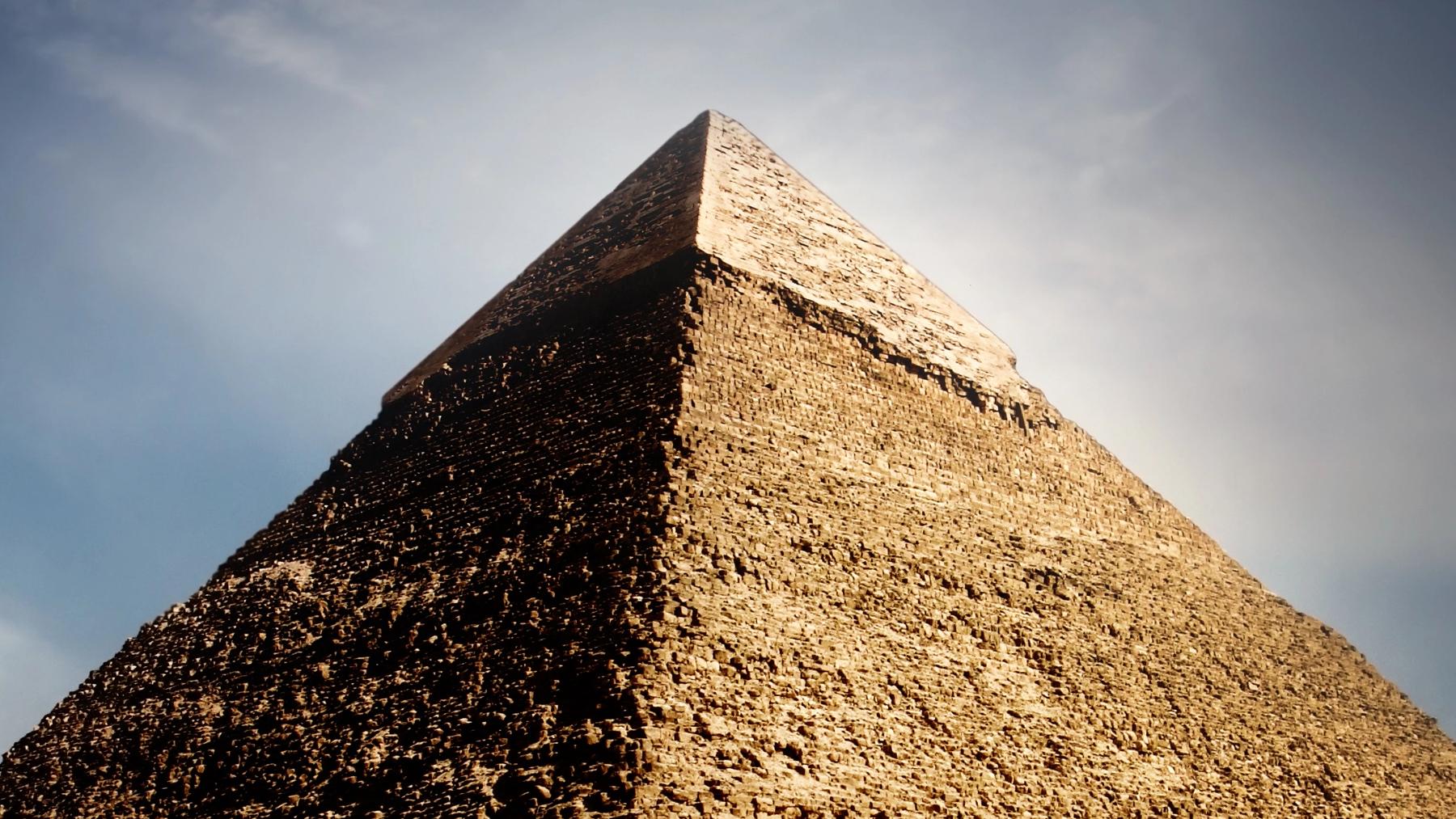
In Egypt, the Great Pyramid of Giza, attributed to Pharaoh Khufu (2589–2566 BC), used sliding granite blocks designed to seal off entire passages and isolate access to the main chamber. This type of solution may have inspired the giant boulder scene in Indiana Jones, but in practice, it didn’t deter looters, as Khufu’s mummy was never found, fueling speculation about secret chambers still hidden.
In Mesoamerica, the tomb of the so-called Red Queen in Palenque, Mexico, presented a different spectacle. Dating back around 1,400 years, it housed the body of a noblewoman, the mercury ore that imparts a vibrant red color. By contaminating bones, ornaments, and jewelry, cinnabar transformed the tomb into a lethal environment for any intruder.
Ancient ingenuity: deadly creativity behind tombs and their secrets
What these examples reveal is that while there were no Hollywood-worthy killing machines, there were creative, and sometimes deadly, solutions to protecting the dead. All of this shows that ancient peoples were resourceful and determined to protect their riches. The detail is that the “invaders” were almost always other humans, often even successors of the pharaoh himself or workers involved in the construction of the tombs.
Yes, Hollywood exaggerated, but it didn’t invent the fascination out of thin air. It was born from the ingenuity of people who, by burying their leaders, also buried their secrets and fears. Remember that the world is full of mysteries; it’s no wonder we recently detected a mysterious radio burst from a 1964 dead satellite.