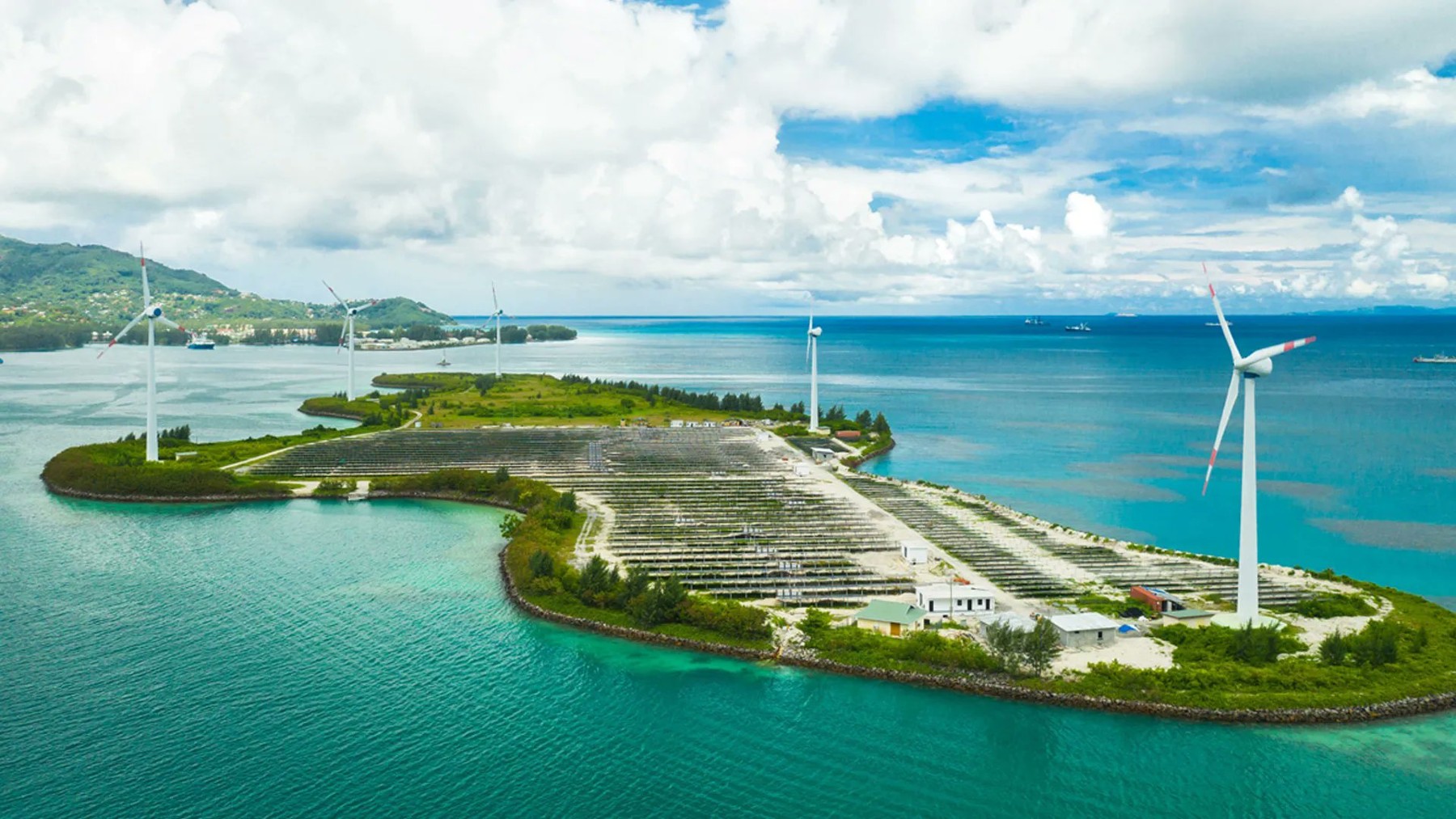
Europe is going into the future by trying to build two artificial “energy islands” in the North Sea and the Baltic Sea. It now plans to penetrate this realm effectively to transform the facility for offshore wind energy generation and feed into the power grids of several countries. In doing this, they are intermediaries to the future inter-connected renewable energy systems.
Energy islands: A revolutionary improvement to a national chain of electricity provision based on renewable sources
The artificial islands will act as interconnect and switching points for offshore wind power plants to the onshore electricity markets. These are the places that are intended to collect the tremendous power of wind energy, as well as the distribution thereof. Of these cases, Bornholm Energy Island and Princess Elisabeth Island are shining examples of a new approach to implementing renewable energy systems.
Bornholm Energy Island off the coast of Denmark is due to provide up to 3GW to Germany and Denmark with eyes on other nations as well. Therefore, placing Princess Elisabeth Island, located 45 km from the Belgian coast, the principle will gather energy from future offshore wind farms as an unconditional interconnector hub for energy sharing among countries.
Bornholm Energy Island: Denmark and Germany come together for cleaner energy
The Bornholm Energy Island project, by Energinet and 50Hertz, is set to become a valuable, if not crucial, energy asset to the European continent. This particular island will be able to generate the electricity needed for both Denmark and Germany. To evaluate the project’s impacts, they have also started important accomplishments, such as procuring HVDC cables and preparing onshore infrastructure.
It is planned that the construction of the railway will start in 2025 after obtaining permission from the environment and carrying out excavations for archaeological purposes. When in operation, Bornholm Energy Island will help minimize companies’ reliance on fossil energy sources and further energy cooperation between countries, thus building an effective and environmentally friendly energy system.
Princess Elisabeth Island: Creating the tomorrow’s energy networks today
Princess Elisabeth Island is among the awarded projects that are said to be the first artificial energy island in the world. As a multi-purpose offshore substation situated off the Belgian coast connected with high-voltage direct current (HVDC) and high-voltage alternating current (HVAC), it is designed for both collection and conversion of renewable energy output. It will also be instrumental in integrating offshore wind farms with Belgium’s onshore network.
The construction of this island has already started, and preparation work to lay a solid foundation ought to take about 2.5 years. The island will host variable depth hybrid interconnectors such as Nautilus, which connects Great Britain and TritonLink to Denmark when in service. With these interconnectors, Europe will not only trade power but efficiency and reliability of energy at their best. The wind farm cables are bundled out to sea and connected with the Elia onshore grid on Princess Elisabeth Island: In this aspect, Europe shows how to approach climate issues.
A global paradigm shift: Renewable energy Islands as the concept for renewable energy
Despite the fact that the energy islands are associated with Europe only, they represent a global change in priority to sustainable energy. Copenhagen Infrastructure Partners (CIP) aims to develop about 10 energy island projects in the North Sea, the Baltic Sea, and, potentially, the South East Asia. The distinctive feature of these islands is the delivery of experienced tech solutions and new scaling of wind power based on the sea, which makes offshore wind energy more accessible and affordable.
The EU is a technical concept, and these artificial energy islands are the foundation of energy transformation towards sustainability and an interconnected world. The tropical application of offshore wind energy and the potential for transnational energy flow is a big step towards providing the world with climate solutions. Bornholm and Princess Elisabeth have set the stage, so there are renewed plans being made around the world.
The completion of these islands will, in fact, revolutionize how humanity creates power, distributes it and consumes it with the aim of creating a sustainable world for the next generations.