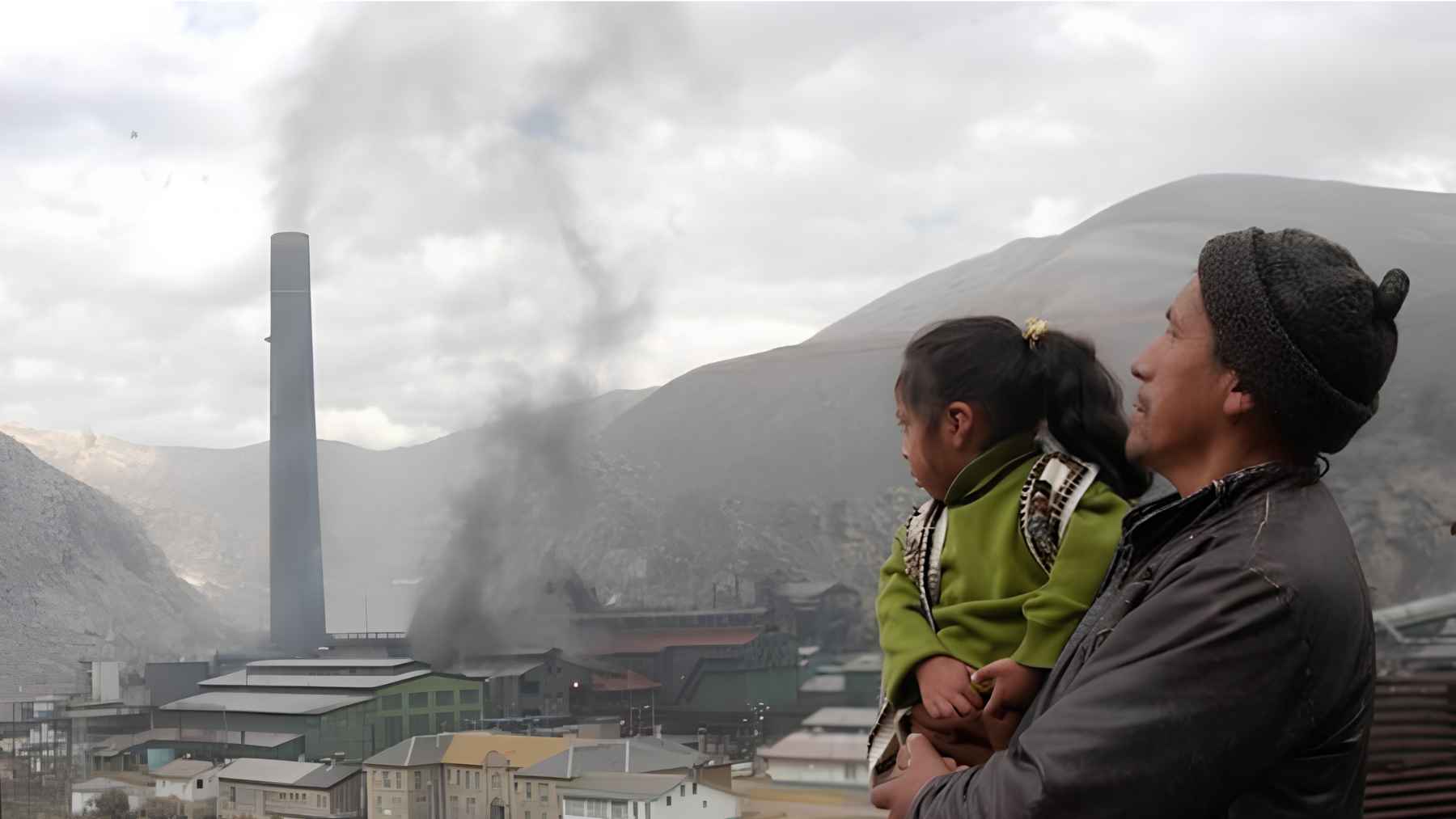
A new lawsuit in Peru is putting one of the Andes’ most troubling mining conflicts back in court. The municipality of Cerro de Pasco says decades of extraction have left nearby residents exposed to polluted air, unsafe water, contaminated soil, and toxic metals in children’s bodies.
The case targets Volcan Compañía Minera and related companies, with plaintiffs asking for environmental repair, medical testing, and measures to stop the alleged contamination from continuing.
The complaint does not ask whether mining matters to Peru. It asks something harder. Can a city that grew around a mine finally force companies to explain what was released, who was harmed, and how the damage will be fixed?
A mine in daily life
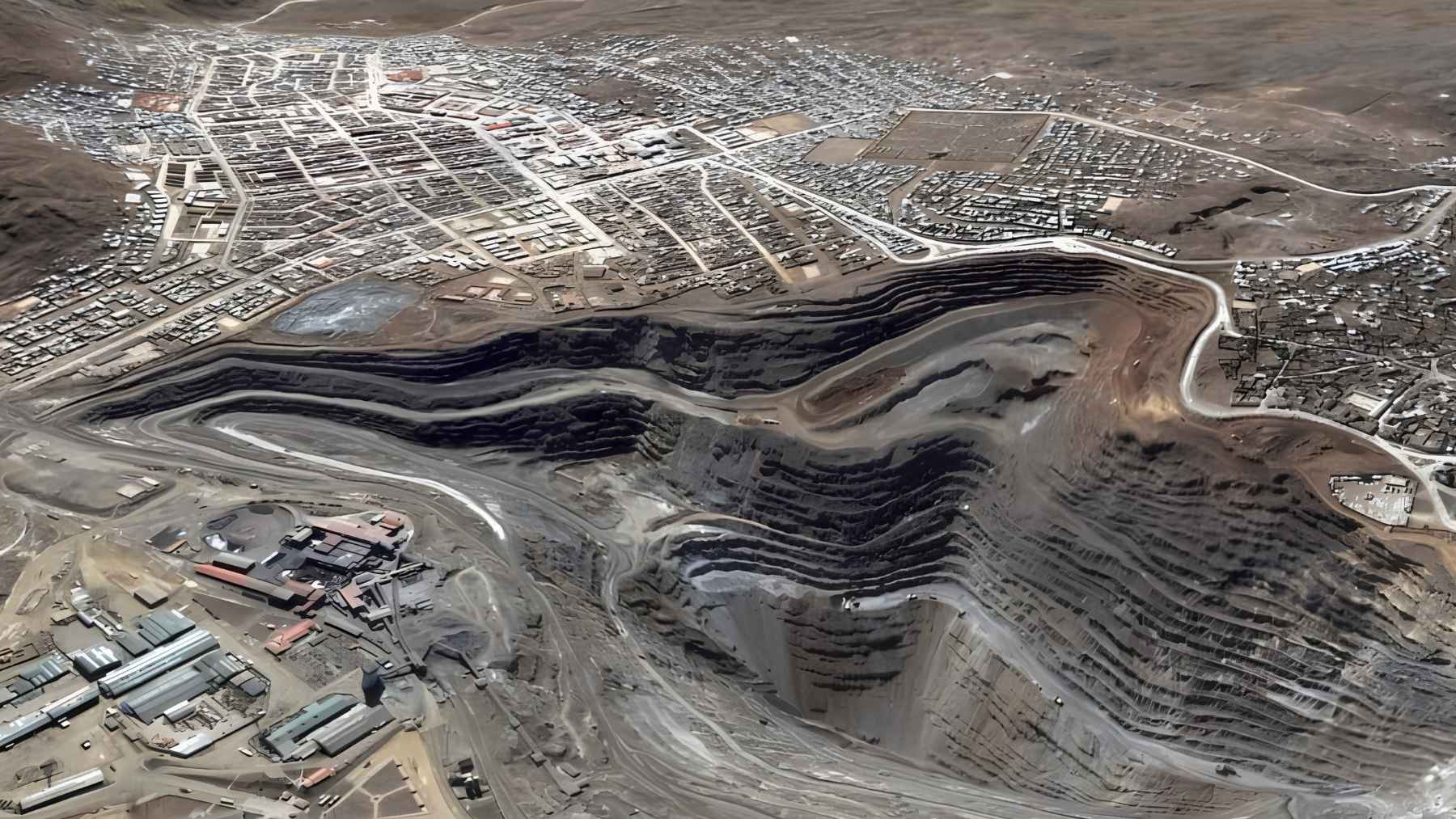
Cerro de Pasco sits about 14,210 feet above sea level in central Peru, making it one of the highest cities in the world. NASA Earth Observatory has described the city’s economic engine as a “worrisome source of pollution,” noting that mining there goes back centuries and that large open-pit mines replaced many smaller tunnels by the 1950s.
This is not an industrial site tucked far away from town. The open pit, waste areas, roads, schools, and homes all share the same landscape. In practical terms, that means dust, strange-colored water, and worries about children’s health are part of ordinary life, not just technical details in a report.
What the lawsuit asks for
The legal action was presented in Lima on May 28 by Pasco Mayor Julio César Rupay, with support from EarthRights International and scientific evidence compiled by Source International. The lawsuit seeks repair for affected areas in Simón Bolívar, Yanacancha, and Chaupimarca, and names Volcan along with subsidiaries including Óxidos de Pasco, Empresa Administradora Cerro, and Empresa Minera Paragsha.
The plaintiffs want the court to recognize alleged violations of rights to health, life, food, personal integrity, and a clean environment. They are also asking for a health diagnosis of the population, medical follow-up for affected residents, repair of contaminated water and soils, and guarantees that similar damage will not happen again.
Rupay put the argument simply. “Pasco is not against mining. Pasco is against pollution,” he said in the statement announcing the case. That distinction matters in a city where mining has shaped jobs, streets, and family histories for generations.
Heavy metals and children
The strongest concern centers on children. A study published in Scientific Reports examined hair samples from 78 children in Paragsha, an area exposed to the open-pit mine, and 16 children from Carhuamayo, used as an unexposed comparison group. Paragsha is roughly a quarter-mile from the open-air mine hole.
The study found that exposed children had significantly higher concentrations of several metals, including aluminum, arsenic, cadmium, chromium, iron, lead, tin, and thallium. It also found associations between heavy metal exposure and higher risks of nosebleeds, chronic colic, skin problems, mood changes, white lines on nails, and reduced visual field.
Flaviano Bianchini, director and founder of Source International, said the evidence calls for “urgent health intervention” for affected communities, especially children. The lawsuit also points to recent findings linking metal exposure in children with disease and reduced brain development.
Years of warnings
This case did not appear out of nowhere. In 2018, Peru’s Ministry of Health reported 8,848 medical visits for people in Pasco exposed to heavy metals, prioritizing pregnant women and children under 12 as especially vulnerable groups. The ministry said the work was tied to a 90-day health emergency affecting 12 districts in Pasco and Daniel Alcides Carrión.
Peru’s Defensoría del Pueblo later urged urgent action for children affected by metal contamination in Pasco. In 2020, it said the problem dated back to July 2015 and that families were still waiting for adequate medical attention. The clock has been moving faster than the remedies.
On the international stage, the United Nations has warned that extreme pollution can create “sacrifice zones,” where marginalized communities face heavy exposure to toxic substances. A UN expert said preventing and cleaning up such zones is a human rights obligation, not a choice.
Mining and responsibility
Volcan describes itself as a Peruvian mining company and a global leader in zinc, lead, and silver production. Its website says sustainability is “at our core” and that the company prioritizes safety, environmental care, and communities where it operates.
The lawsuit now tests those public commitments against conditions alleged in Cerro de Pasco. For residents, this is not only about metal in a lab sample. It is about whether children can grow up without toxic exposure, whether animals and food are safe, and whether families can trust the water coming into daily life.
There is also a bigger question here. The world needs metals for buildings, batteries, power lines, and clean-energy technologies, but that demand cannot become a blank check for polluted communities. Mining may power modern life, but people should not have to pay with their health.
What happens now
The amparo action is now in the hands of the judiciary in Lima, which must analyze the responsibility alleged by the municipality and supporting groups. If the court accepts the plaintiffs’ demands, companies could be ordered to repair contaminated areas, provide information about operations, and help cover health testing and treatment.
Still, a court case is only one step. Residents and activists have already seen laws, emergencies, and official promises come and go without the full change they expected. That is why the next phase will likely be watched closely not only in Peru, but by other mining communities asking the same question.
What does repair look like when the harm has lasted for decades?
The press release was published on EarthRights International.