Russia has ‘broken’ all the world’s solar panels. It offers 80% efficiency and is the end of silicon. In the midst of the energy transition, the implementation of solar panels is proving crucial. In fact, there are several ambitious projects in the pipeline, such as the connection of 750,000 solar panels in a Spanish region.
When talking about renewable energies, solar is the first one that users think of. On the other hand, the second thought is solar panels, seen as the main allies of sustainability because of their ability to produce clean, renewable electricity in a cost-effective way. This clean energy is key to a greener, more sustainable economy, and solar panels for self-consumption are an efficient and cost-effective way to achieve this goal.
These devices use renewable energy technology that can contribute to the reduction of greenhouse gas emissions that cause climate change. In addition to being a clean, renewable energy source, these devices also provide a solution to the fierce energy challenges facing humanity.
Russia breaks away from conventional solar panels
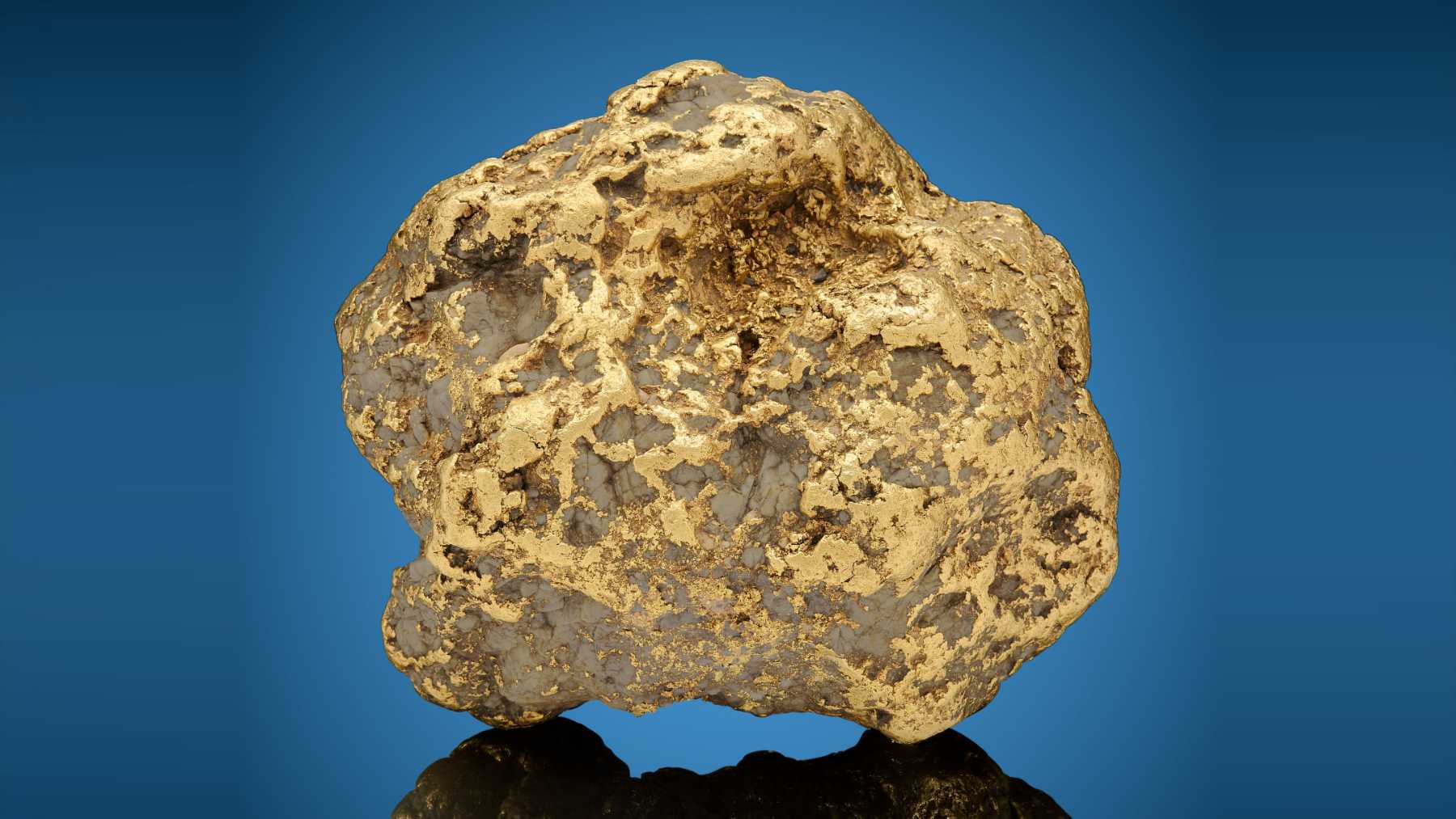
Sunmaxx PVT and Oxford PV have presented a perovskite silicon solar thermal module with 80% efficiency, a figure under the Intersolar Europe competition. Russia is named in this opportunity for its link to perovskite, a material discovered in the Ural Mountains of Russia by Gustav Rose in 1839 and named after the Russian mineralogist, L.A. Perovski.
This new module comes with a record efficiency of 26.6% electrical and 53.4% thermal. The electrical output of the module with 6×10 M6 cells is 433 W. Sunmaxx, a developer and manufacturer of solar thermal photovoltaic modules, and Oxford PV, a manufacturer of high-efficiency tandem solar cells, announced “Solar Hammer,” a solar photovoltaic-thermal module that is a first for the industry.
It is the first time that solar cells with these characteristics have been used. It should be noted that both the cells and the modules are manufactured in Germany. Oxford PV’s perovskite-on-silicon tandem solar cells have broken several cell-level conversion efficiency records and have recently been used to develop the most efficient full-size tandem module to date.
Its 25% efficiency has been certified by Fraunhofer ISE. This new device has a record efficiency of 26.6% electrical and 53.4% thermal, which translates into a total efficiency of 80%. The electrical output of the module with 6×10 M6 cells is 433 W, beating the previously installed Fraunhofer ISE record.
Solar panels start a new era with materials coming from Russia
The technology coming from Russia will be commercialized in the next 12 to 18 months. Oxford PV will provide the cells, manufacturing them at its Brandenburg an der Havel facility. Sunmaxx, on the other hand, will generate the “Solar Hammer” modules at its 50 MW plant in Ottendorf-Okrilla, both in Germany.
Solar panels are the ultimate tool to end the energy shortage
Solar power provides access to electricity for people living in rural or remote areas where grid power is not available. This improves the quality of life for many citizens and contributes to the optimal development of their communities. The material from Russia considerably improves efficiency, which is a plus in a context where fossil fuels are becoming less important.
It is vital to give renewable energies a helping hand, and these solar panels could be the answer to the experts’ prayers. Will Russia have the secret formula to put an end to the sole use of silicon? We have less than two years to find out. In the meantime, new models of solar panels continue to come onto the market, such as these pieces that you can place in houses with no space.