Russia
A worm has been brought back to life after thousands of years in permafrost in Siberia, old Soviet submarines lie under the sea, and there are exciting claims about new solar materials. We investigate what we know and what needs more evidence.
39 stories · since 2024 · latest, November 16, 2026
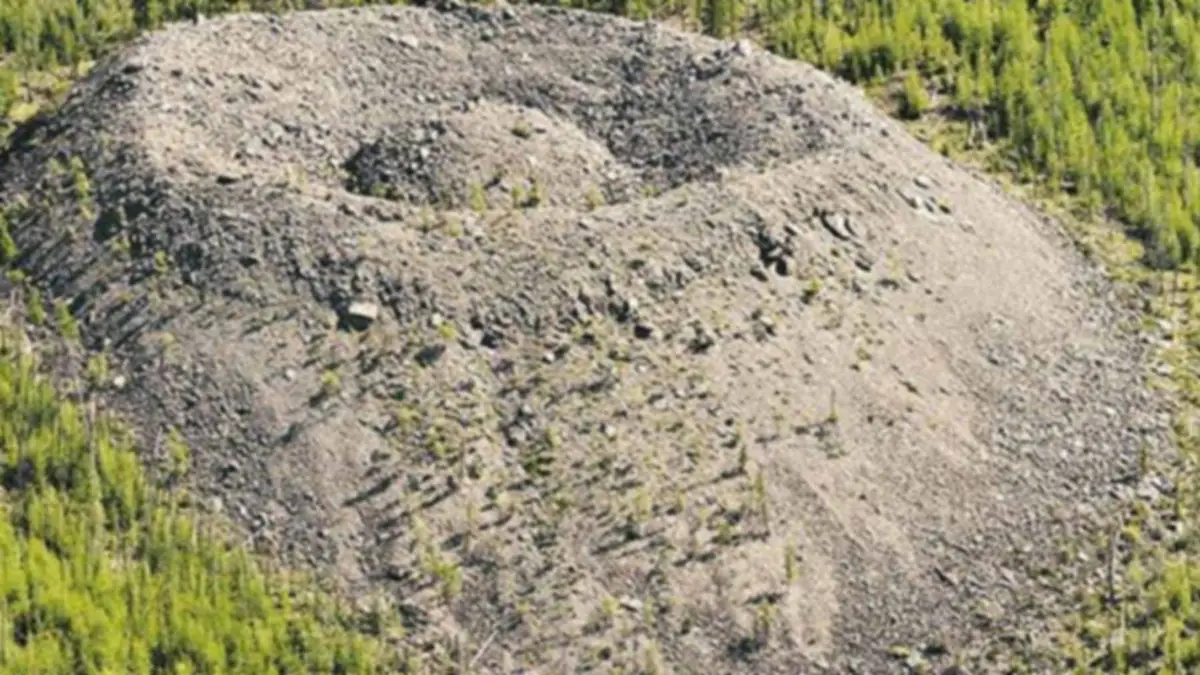
A geologist found the 525-foot-wide Patom crater in Siberia in 1949, and larch trees at its edge turned out to carry the scars of a catastrophic event from 1841 or 1842
Irkutsk geologist Vadim Kolpakov came across the Patom crater in 1949, on the Patom Highland above the Lena River. It sits about 112 miles (180…
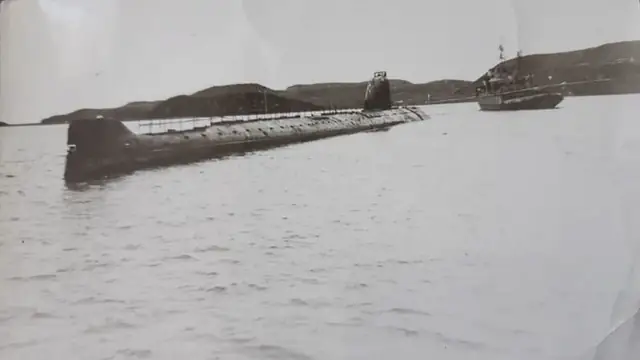
The Soviet Union sank a nuclear submarine with its fuel still aboard about 100 feet down in the Arctic, and the material sealing its reactors has a lifespan no one can pin down
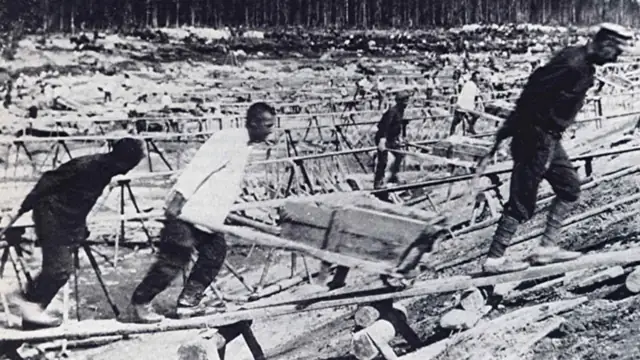
The Soviet Union forced more than 100,000 prisoners to dig the White Sea-Baltic Canal with picks and wheelbarrows, and the waterway that cost thousands of lives ended up too shallow for most seagoing ships
Three Soviet cosmonauts remain the only people known to have died in space, and the Soyuz 11 capsule carrying them touched down softly in Kazakhstan while ground controllers heard only silence on the radio
Soyuz 11 touched down in Soviet Kazakhstan on June 30, 1971, after a record 24-day mission. When recovery crews opened the hatch, they found the three…
Adrian Villellas · November 6, 2026

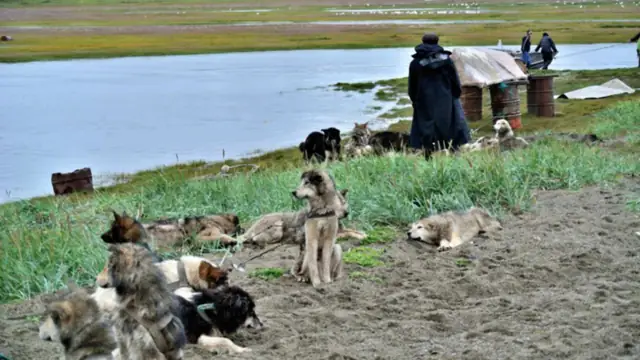
Ancient sled dogs from sites up to 2,000 years old on Russia’s Chukotka coast had stubby legs like today’s teams, about 6 percent shorter than other canids, and a model explains the pulling advantage
Ancient sled dogs from sites on Russia’s Chukotka coast up to 2,000 years old had the same short legs as modern sled dog teams, a new study finds. Their…
Adrian Villellas · October 23, 2026
On a ridge above Alaska’s Tanana River, archaeologists recovered more than 80,000 objects from a 13,800-year-old Ice Age base camp, and its diamond-shaped stone points match ones found in Siberia
Inside what its excavators describe as the earliest potential habitation structure in North America, archaeologists digging an Ice Age base camp in…
ECOnews Newsroom · October 17, 2026
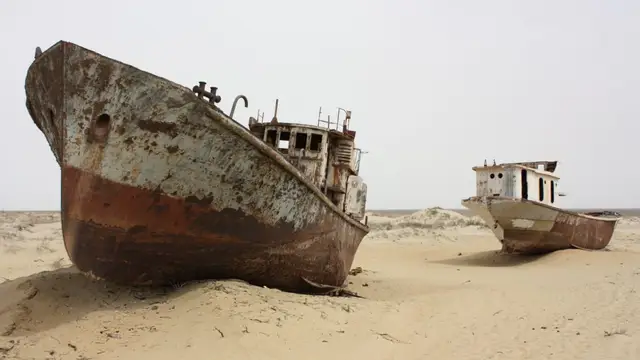
The Aral Sea was once the world’s fourth-largest lake, but after Soviet irrigation diverted its rivers, fishing boats were left stranded in a 23,000-square-mile desert while Kazakhstan revived part of the water and Uzbekistan planted 4.2 million acres of the exposed lakebed
A fishing boat stranded in sand looks like something a storm might leave behind. At Moynaq, in western Uzbekistan, the ship graveyard tells a different…
Adrian Villellas · September 20, 2026
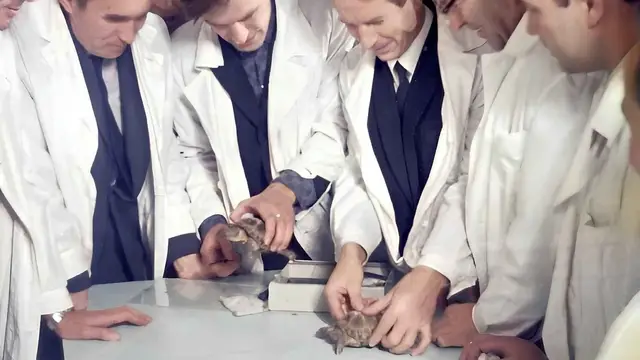
In 1968, two Soviet steppe tortoises flew around the Moon and returned alive to Earth before Apollo 8 carried humans there
Long before any humans first ever orbited the Moon, two small tortoises beat them to it. They flew aboard the Soviet Zond 5, an uncrewed test spacecraft…
ECOnews Newsroom · August 23, 2026
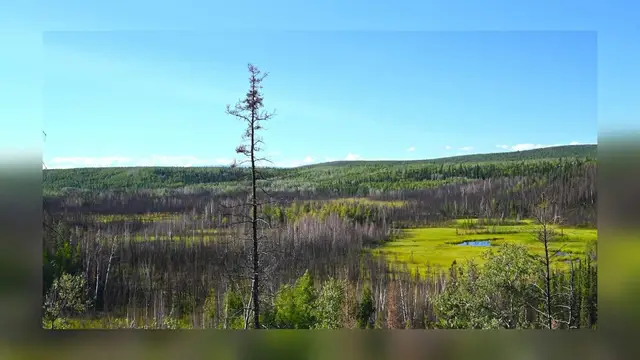
Siberia’s summer methane emissions roughly doubled between 2010 and 2023, revealing how rapidly the region responds to warming and thaw
Siberia is releasing far more methane during its growing season than it did just over a decade ago. How much more? Emissions roughly doubled between 2010…
ECOnews Newsroom · August 10, 2026
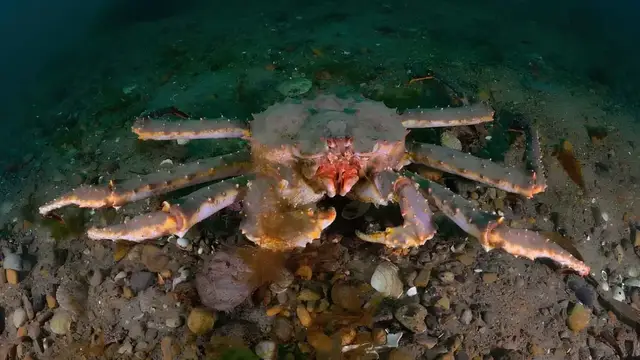
Soviet scientists released giant red king crabs into the Barents Sea in the 1960s to build a fishery, but decades later those invaders are still changing the seafloor
What began as a Soviet plan to create seafood wealth has become a long-running marine experiment with two very different results. Red king crabs released…
ECOnews Newsroom · July 27, 2026
The plague may have claimed the lives of children in hunter-gatherer communities in Siberia 5,500 years ago, long before medieval cities, flea-infested rats, and the dreaded Black Death existed
Long before crowded medieval cities, flea-bitten rats, and the Black Death, plague may have been killing small bands of hunter-gatherers in Siberia. A new…
Adrian Villellas · July 5, 2026

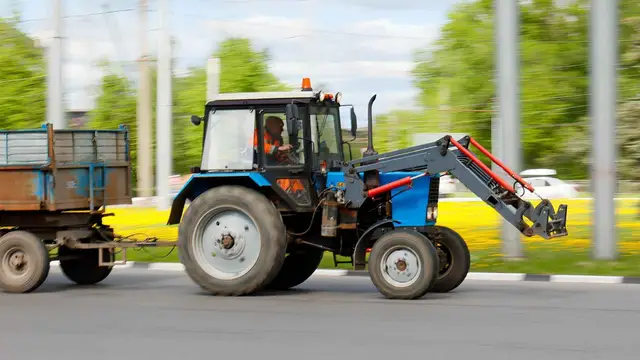
A Russian university has just unveiled a tractor attachment that injects cooled exhaust gases directly into the soil—a highly unusual idea that promises to benefit crops but requires extensive testing under real-world conditions
A Russian university team has presented a tractor attachment that sends cooled exhaust gas from a working farm machine straight into the soil. The…
ECOnews Newsroom · July 3, 2026
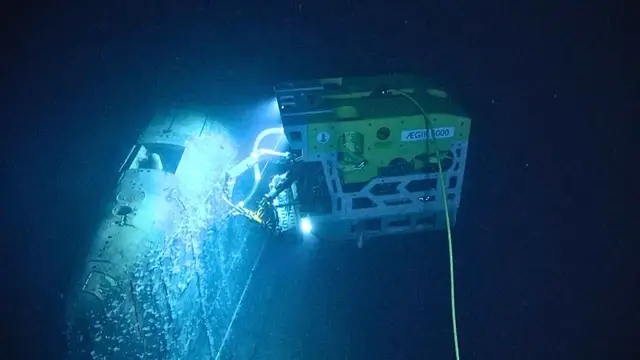
A sunken Soviet submarine is reportedly releasing radiation, and the leak revives fears about Cold War wrecks still poisoning the ocean
A Cold War wreck lying more than a mile beneath the Norwegian Sea is still releasing radioactive material from its reactor, according to a new study in…
ECOnews Newsroom · June 17, 2026
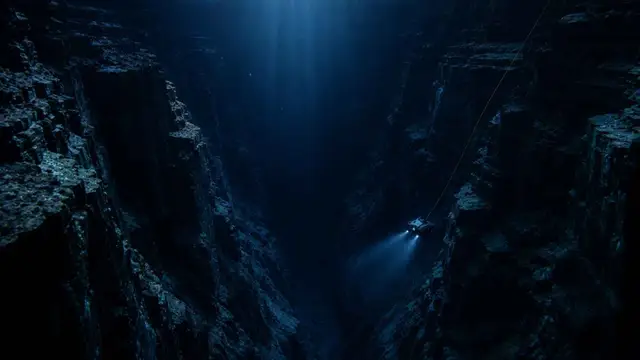
Between Alaska and Siberia lies a seafloor abyss, an underwater rift dropping about 8,530 feet, revealing a hidden world most people never imagine
Far below the cold, rough waters of the Bering Sea, a hidden canyon drops deeper than the Grand Canyon. Zhemchug Canyon, a vast submarine valley between…
ECOnews Newsroom · June 11, 2026
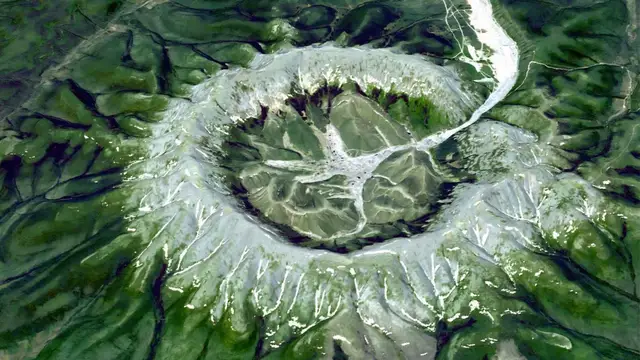
A perfect 3.7-mile ring in far eastern Russia puzzles NASA satellites, it looks like a crater or volcano, but the agency says it is neither, and that is the mystery
At first glance, the Kondyor Massif looks like something that slammed into Earth. A near-perfect ring rises from remote Khabarovsk Krai in Russia’s Far…
Adrian Villellas · June 9, 2026