Alaska
We explain the money given through the Permanent Fund Dividend. In between, we also have fossils in Alaska thought to be mammoths which were actually whales, and new deep sea sponge discoveries in old surveys.
27 stories · since 2025 · latest, November 17, 2026
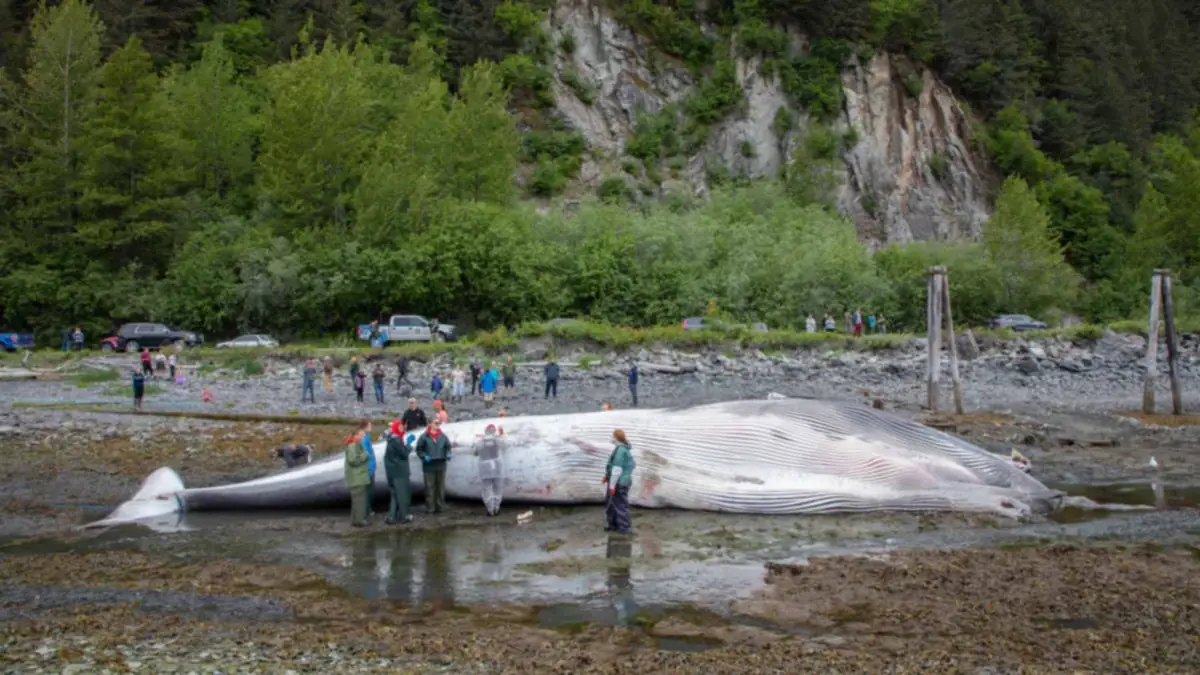
A pregnant fin whale found dead on the bow of a cruise ship docking in Seward, Alaska, was struck by a vessel, NOAA says, and her unborn calf died the same way
A fin whale found dead on the front of a cruise ship in Seward, Alaska, was pregnant, and her injuries were consistent with a vessel strike. NOAA…
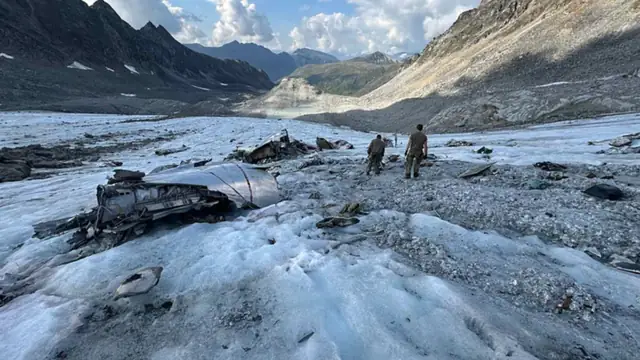
Army soldiers hauled a radio off Alaska’s Bomber Glacier nearly 69 years after a crashed bomber’s crew used it to send their final call for help, and they first spotted it in a hiker’s video
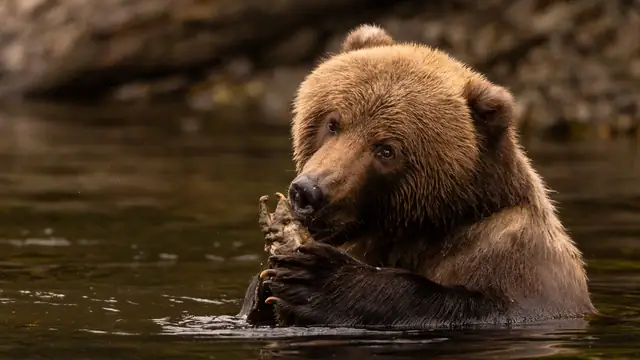
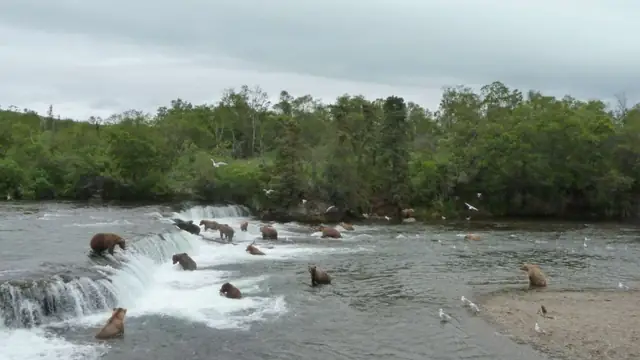
Do bears hibernate? Black bears in northern Alaska can stay dormant for seven to eight months without eating, drinking or urinating, yet Shenandoah National Park says they aren’t true hibernators, and a sleeping grizzly’s heart slows to 19 beats a minute
In hibernation, a Yellowstone grizzly’s heart slows from 40-50 to as few as 8 beats per minute, and Alaska wood frogs get through winter frozen, without breathing or a heartbeat
Animals that hibernate cut their energy use so far that their bodies barely run through the winter. In Yellowstone National Park, a grizzly’s heart beats…
ECOnews Newsroom · November 1, 2026
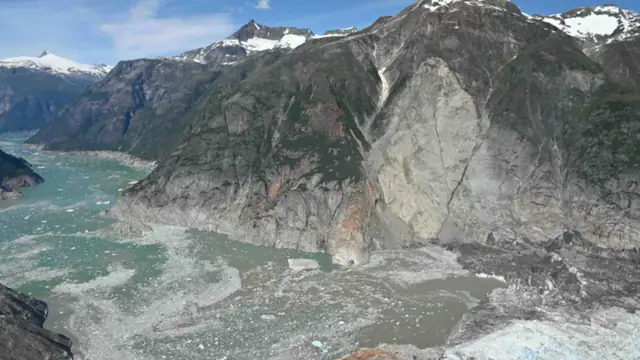
A landslide in Alaska’s Tracy Arm fjord sent a tsunami 1,578 feet up the opposite wall, and a Science study found small tremors striking every 30 to 60 seconds in the hours before the collapse
On August 10, 2025, more than 64 million cubic meters (about 2.3 billion cubic feet) of rock fell into Tracy Arm fjord in Southeast Alaska. The wave…
Adrian Villellas · October 22, 2026
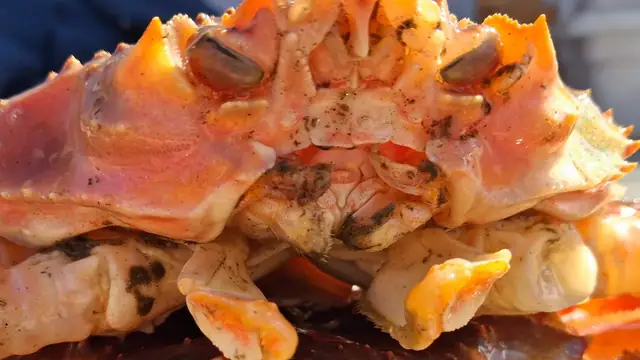
In Alaska’s Bering Sea, snow-Tanner hybrid crabs became 13.4 times more abundant after a marine heatwave wiped out billions of snow crabs, and in 2025 they made up 41.7 percent of commercial-sized males
In Alaska’s Bering Sea, snow-Tanner hybrid crabs were 13.4 times more abundant in 2025 than their 1988-2024 average. NOAA Fisheries scientists reported…
Adrian Villellas · October 21, 2026
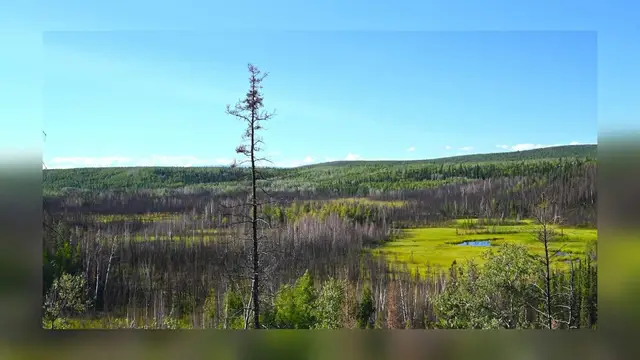
On a ridge above Alaska’s Tanana River, archaeologists recovered more than 80,000 objects from a 13,800-year-old Ice Age base camp, and its diamond-shaped stone points match ones found in Siberia
Inside what its excavators describe as the earliest potential habitation structure in North America, archaeologists digging an Ice Age base camp in…
ECOnews Newsroom · October 17, 2026
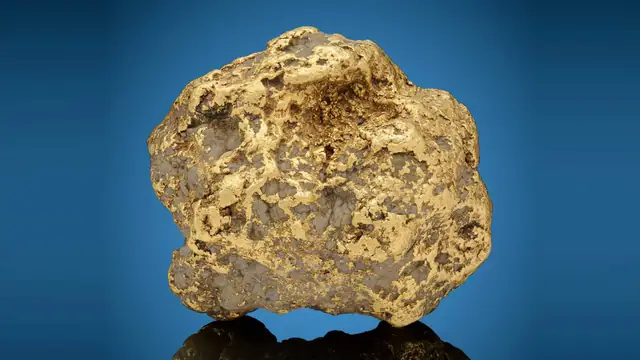
A miner pushing dirt with a bulldozer near Ruby, Alaska, in 1998 spotted something unusual, and it turned out to be the state’s largest gold nugget, a 294.1-troy-ounce mass that later sold for $750,000
In 1998, Barry Clay was pushing dirt with a bulldozer on a placer claim along Swift Creek, near the Yukon River village of Ruby in interior Alaska, when…
ECOnews Newsroom · October 7, 2026
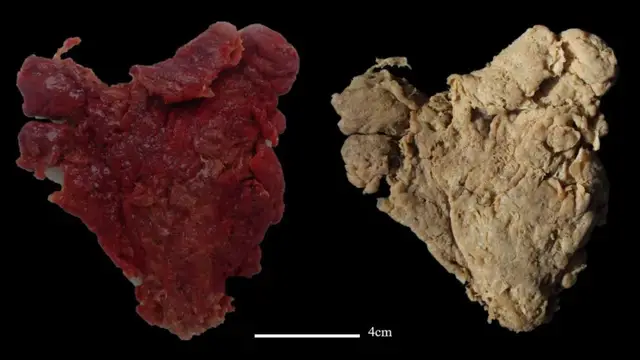
NOAA scientists studying sponges collected in Alaska trawl surveys as early as 1997 identified nine deep-sea sponges new to science, including a red one so unusual that it needed a brand-new genus
Scientists have identified nine previously undescribed sponge species in the Gulf of Alaska and the Aleutian Islands, bringing the region’s known total to…
Adrian Villellas · September 30, 2026
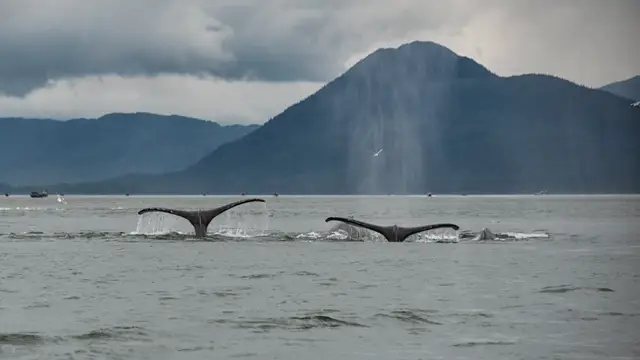
A juvenile humpback whale in Alaska was trapped by two 800-pound crab pots anchored to the seafloor, and after five hours rescuers made four carefully placed cuts that freed the animal to swim away, although a piece of rope remained threaded through its mouth
A juvenile humpback whale near Alaska’s Endicott Arm was tethered to the seafloor by two commercial crab traps weighing about 1,600 pounds combined. On…
ECOnews Newsroom · September 23, 2026
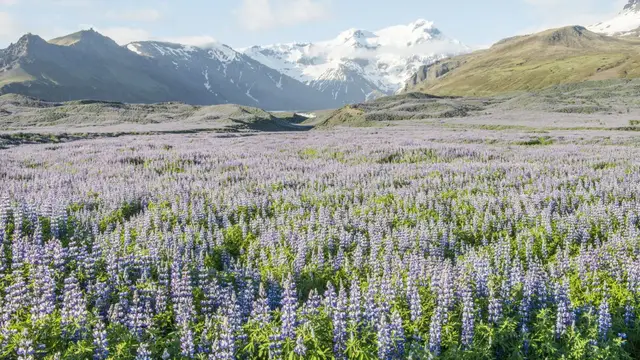
Iceland’s purple fields began as ecological repair, but the Alaskan lupin is now becoming the problem it was meant to solve
Every summer, a plant that was introduced in Iceland since 1945 to stop erosion and prepare the soil for new forests, turns broad area purple. Its name is…
ECOnews Newsroom · September 11, 2026
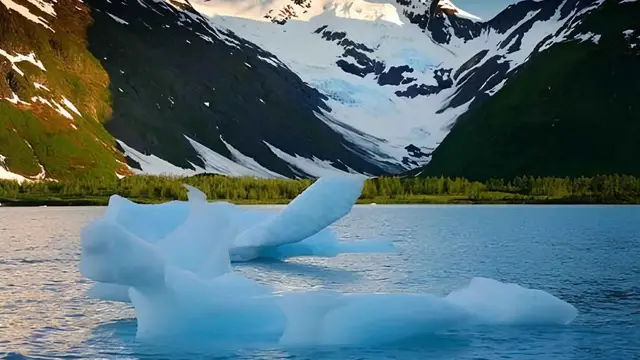
An Alaskan glacier block weighing 2,500 pounds arrived in Iowa in 1977 by helicopter and refrigerated truck, testing whether icebergs could become drinking water for nations desperate for it
Iowa State University, in cooperation with a Saudi prince, wanted to find out if all that floating ice in the arctic could become potable for…
Adrian Villellas · August 23, 2026
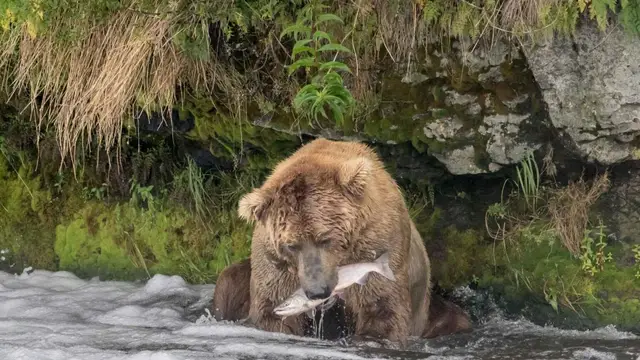
Scientists played human voices near Alaska salmon streams, and bears and eagles fled before the forest could receive what the fish carried
Could a simple conversation beside a rushing salmon stream change what happens deep in a forest? In coastal Alaska, scientists found that recorded human…
ECOnews Newsroom · July 31, 2026
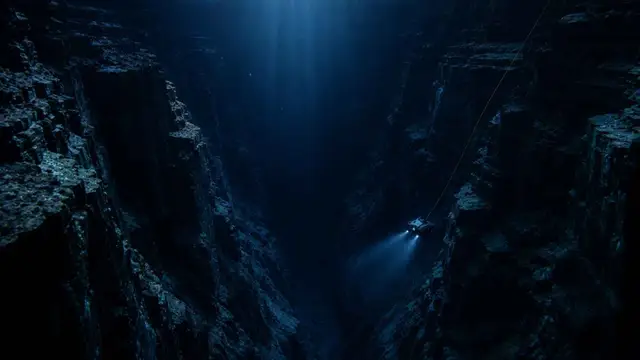
Between Alaska and Siberia lies a seafloor abyss, an underwater rift dropping about 8,530 feet, revealing a hidden world most people never imagine
Far below the cold, rough waters of the Bering Sea, a hidden canyon drops deeper than the Grand Canyon. Zhemchug Canyon, a vast submarine valley between…
ECOnews Newsroom · June 11, 2026
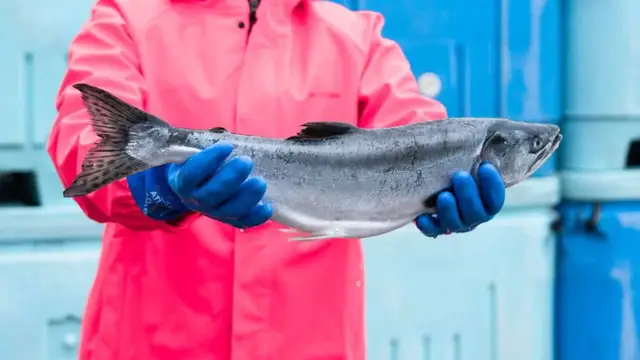
Researchers opened decades-old canned salmon from Alaska and found a hidden ocean record inside, dead anisakid worms that let them track food web change over 42 years, with parasite counts rising in chum and pink salmon but staying flat in coho and sockeye
What could a forgotten can of salmon possibly tell us about the ocean? Quite a lot, it turns out. Researchers at the University of Washington opened old…
ECOnews Newsroom · May 23, 2026