NASA
We often have stories relating to NASA. Images from the Webb and Hubble telescopes, missions to the Moon and Mars, and Earth studies. Occasionally we have stories of viral claims that NASA has discovered a new kind of energy. We explain what is true and what is false.
164 stories · since 2024 · latest, November 18, 2026
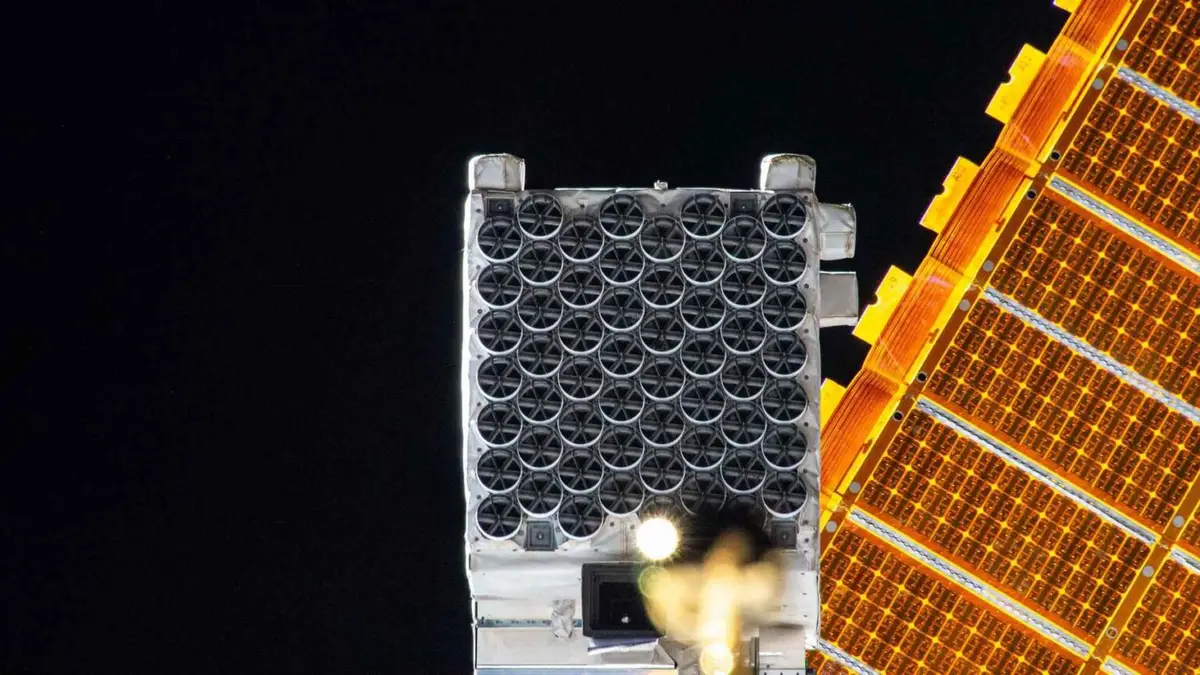
NASA’s NICER telescope studied neutron stars from the space station for six and a half years beyond its planned mission, and a motor engineers think has failed inside it has now ended its science operations
NASA’s NICER (Neutron star Interior Composition Explorer) X-ray telescope has ended science operations on the International Space Station. It had kept…
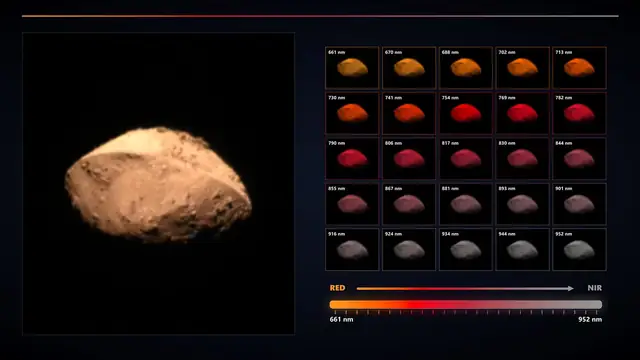
ESA’s Hera spacecraft scanned asteroid Didymos from about 18 miles away with heat vision beyond the human eye, and detailed images of both asteroids, including the moonlet NASA’s DART hit, are due November 25
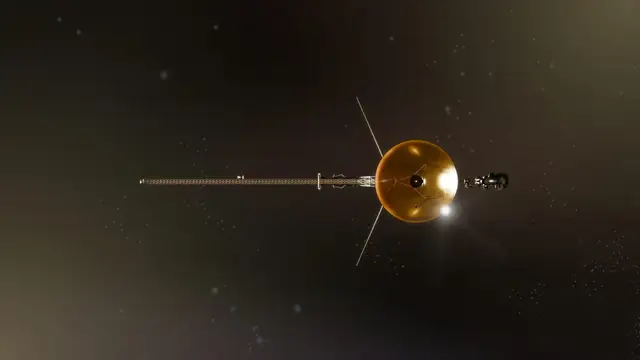
Voyager 1 is about to become the first human-made object one light-day from Earth, and NASA says nothing aboard the spacecraft will notice when it crosses the line
The United States tried to put 480 million copper needles into orbit as a radio antenna in 1963, and NASA was still tracking dozens of clumps of them 50 years later
The United States launched a canister of copper needles in May 1963 under Project West Ford. MIT Lincoln Laboratory ran the military experiment, which…
ECOnews Newsroom · November 14, 2026
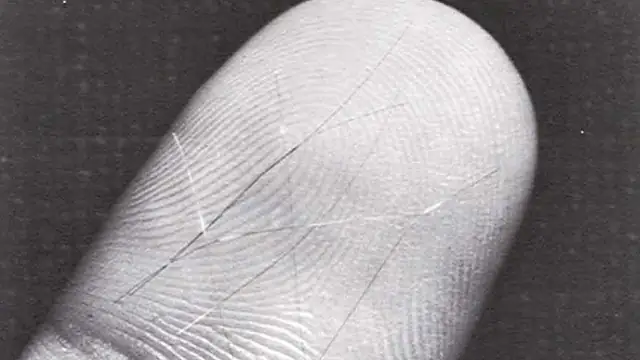
An astronaut carried tree seeds around the Moon in 1971 and the canister burst open back on Earth, yet Moon trees grew anyway and NASA still cannot say where they all are
Moon trees began with a small canister that astronaut Stuart Roosa carried around the Moon in February 1971. NASA’s current list files 63 U.S. sites under…
ECOnews Newsroom · November 13, 2026
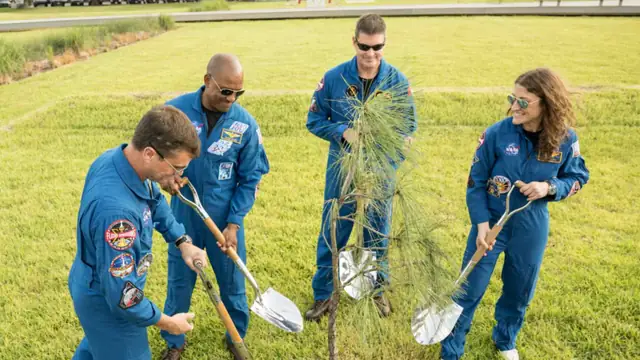
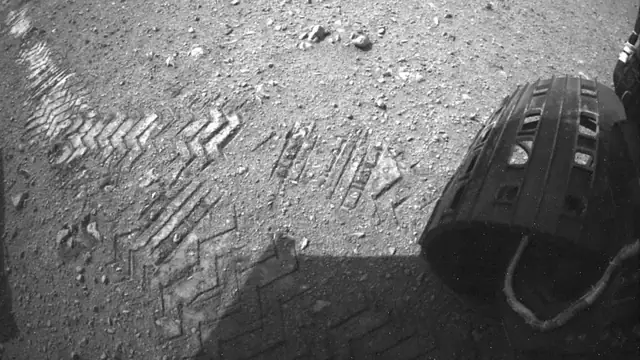
The Curiosity rover has been stamping the same Morse code message into Martian soil since 2012, and the three letters hidden in its tracks help it check how far it has really traveled
NASA’s Curiosity rover has been printing the letters JPL in Morse code into Martian soil since its first test drive on August 22, 2012. The marks come…
Adrian Villellas · November 8, 2026
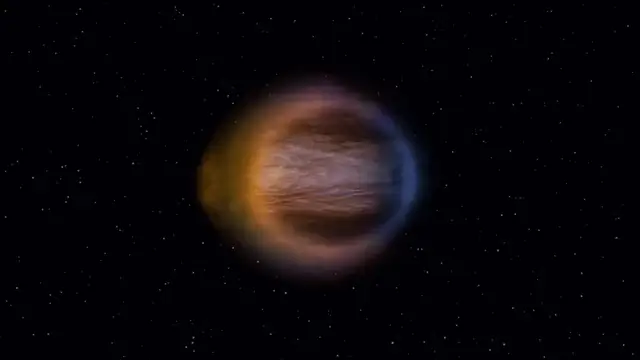
The James Webb Space Telescope traced the WASP-17b atmosphere 1,300 light-years away, and the giant planet’s outline is not the perfect circle that models had assumed, because one side is puffed up by heat
Astronomers using NASA’s James Webb Space Telescope have measured the real outline of the WASP-17b atmosphere. The gas giant lies about 1,300 light-years…
Adrian Villellas · November 5, 2026
NASA tomato seeds stranded in orbit after the Challenger disaster ended up with 3.3 million students, and the plants they grew were not the mutant tomatoes many of them hoped for
NASA tomato seeds, 12.5 million of them, went into orbit aboard the shuttle Challenger in April 1984. The trip was meant to take about a year. It took…
ECOnews Newsroom · October 30, 2026
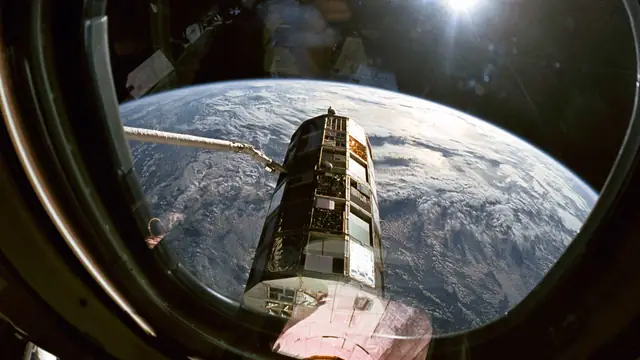
Earth’s balance point is being pulled toward South America by 2.4 trillion metric tons of Amazon rain every April, and NASA has found the seasonal swing is smaller than scientists believed
Earth’s balance point moves as snow piles up, rivers swell, and water flows into the oceans. Now, a NASA-led study has refined measurements of that…
Adrian Villellas · October 28, 2026
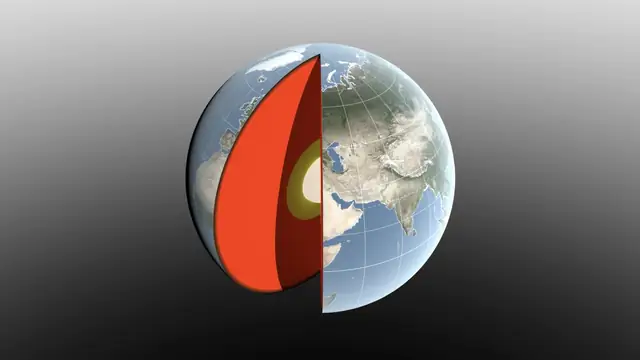
NASA is targeting summer 2027 for Artemis III, a 14-day test flight in low Earth orbit with two commercial landers, and Administrator Jared Isaacman expects astronauts to land on the Moon in 2028
NASA is targeting a summer 2027 launch for Artemis III, a crewed test flight that will stay in low Earth orbit. Administrator Jared Isaacman presented the…
ECOnews Newsroom · October 25, 2026
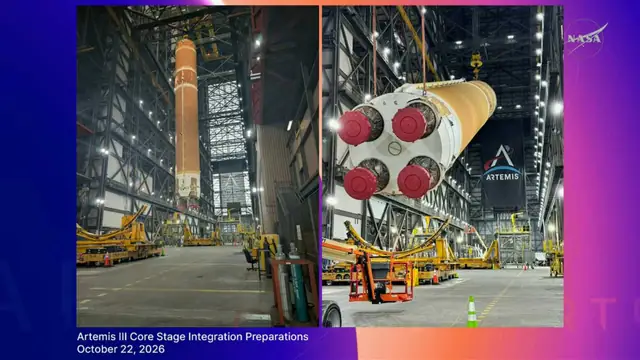
Outside the International Space Station, NASA’s Anil Menon and Canada’s Joshua Kutryk will install the last two roll-out solar arrays on Oct. 29 and Nov. 5, lifting station power to about 215 kilowatts
On Oct. 29 and Nov. 5, astronauts Anil Menon and Joshua Kutryk will step outside the International Space Station to install the last two roll-out solar…
ECOnews Newsroom · October 21, 2026
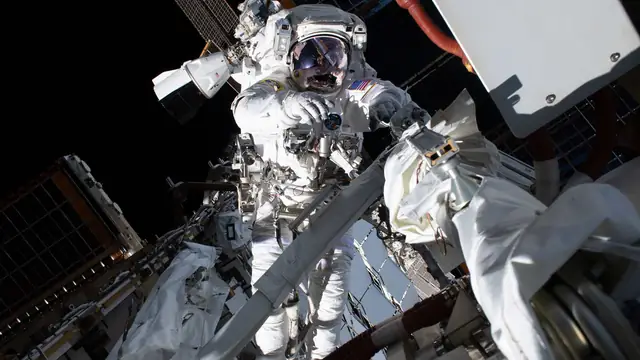
NASA released footage of astronauts testing Lunar Outpost’s Pegasus as robotic rovers and lunar terrain vehicles get ready to scout the Moon’s South Pole, and each LTV will cover up to 3.7 miles a day
NASA on October 20, 2026, released a progress update on the rovers that will open its Moon Base, showing how robotic explorers and crew-carrying lunar…
Adrian Villellas · October 20, 2026
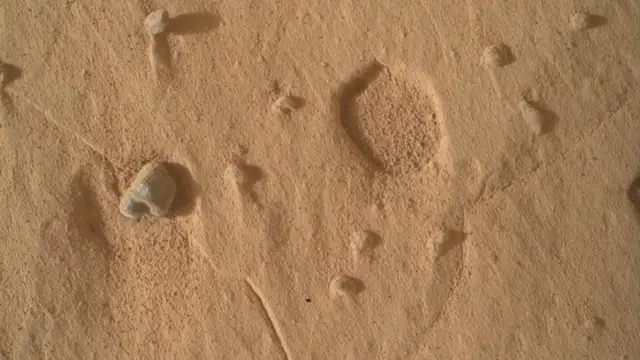
In Mars’ Gale Crater, NASA’s Curiosity rover photographed unusually broad, shallow pits in bedrock, one roughly 0.4 inches across, and the mission’s September 3 update still could not explain how they formed
NASA’s Curiosity rover has photographed unusually broad, shallow pits in Martian bedrock, including one roughly 0.4 inches across. An image created on…
Adrian Villellas · October 20, 2026
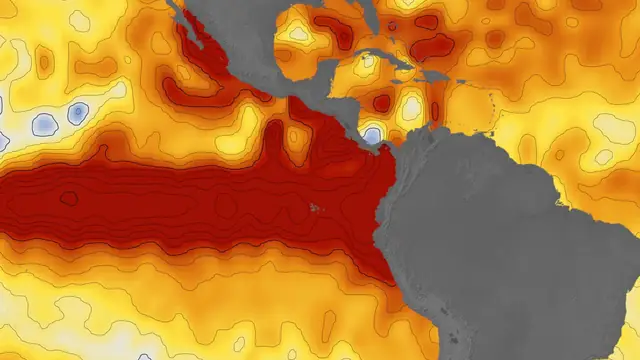
In the eastern Pacific, NASA satellites show seas up to 1.3 feet higher as NOAA gives the strongest El Niño since 1950 an 83 percent chance for October to December, and equatorial waters turn bluer
In January 2026, satellites spotted a swell of warm water near Micronesia, in the western Pacific Ocean. By October, NOAA’s Climate Prediction Center gave…
ECOnews Newsroom · October 18, 2026
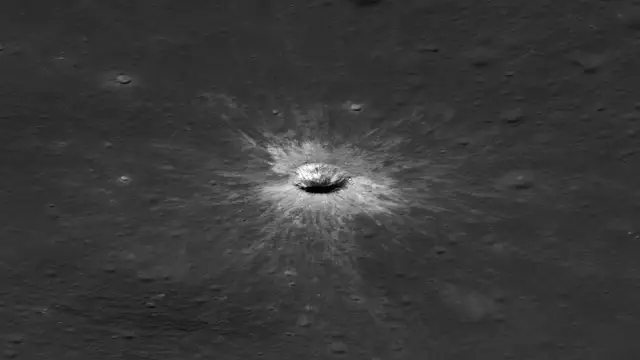
NASA’s Lunar Reconnaissance Orbiter spotted a new Moon crater 728 feet wide that formed in spring 2024, a once-in-132-year event, and debris from that impact disturbed ground more than 62 miles away
It started as a routine data-quality check on Friday, Oct. 24, 2025, with Robert Wagner scanning a giant map of the Moon on his computer screen, until a…
Adrian Villellas · October 17, 2026