Solar system
45 stories · since 2025 · latest, November 7, 2026
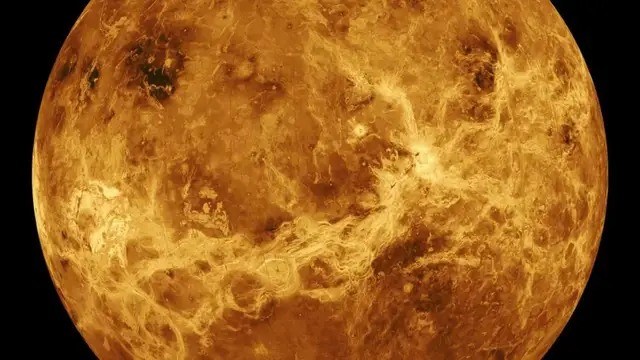
Astronomers claim they have found Venus’ first volcanic cave, and the idea of a natural shelter on a hellish planet forces new questions about what is happening under the surface
Venus has always had a talent for hiding its surface. Thick clouds block ordinary cameras, so for decades researchers have had to study Earth’s…
Adrian Villellas · May 25, 2026
Neptune Energy estimates 43 million tons of lithium carbonate equivalent under Germany’s Altmark gas field
On September 24, 2025, Neptune Energy said an independent assessment put its Altmark lithium project in Saxony-Anhalt at 43 million metric tons of lithium…
Adrian Villellas · April 22, 2026
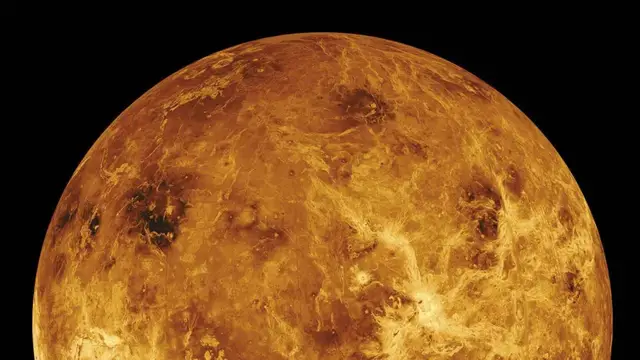
What appeared to be an old, forgotten file from the Magellan probe, launched in 1990, has turned out to reveal one of the strangest discoveries about Venus: an empty underground tunnel approximately 1 kilometer wide
What can a 30-year-old radar image still reveal about Venus? Quite a lot, apparently. Scientists reexamining data from NASA’s Magellan spacecraft say they…
ECOnews Newsroom · April 16, 2026
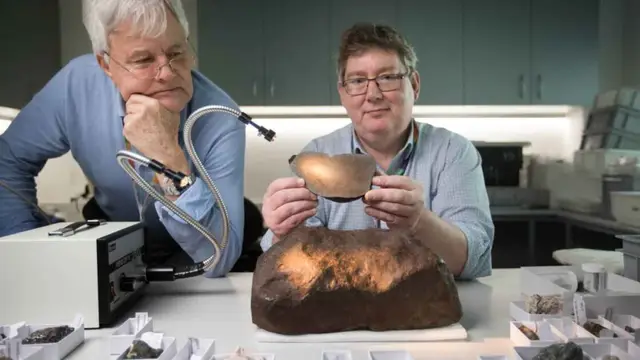
He thought he had struck gold in Australia, but for years he had held something far more improbable in his hands: a fragment of the solar system that predates our planet
What if the heaviest “nugget” you have ever picked up was not gold at all, but a piece of the early solar system? That is the twist behind the Maryborough…
Adrian Villellas · April 15, 2026
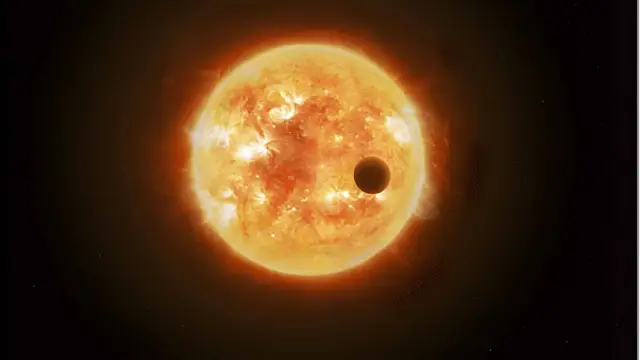
Astronomers discover a solar system 120 light-years away with two “Earths” and an arrangement so strange that it doesn’t fit any known formation model
What happens when a planetary system refuses to follow the usual script? Astronomers say they have found exactly that around LHS 1903, a small red dwarf…
Adrian Villellas · April 6, 2026
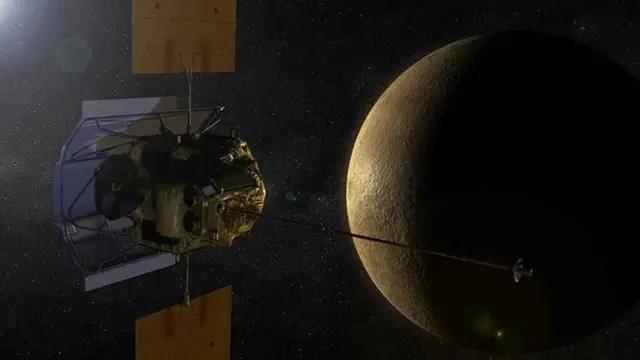
For decades, Mercury had been considered a “dead” planet, but a study has just changed that idea. NASA has detected bright structures that point to current geological activity
For years, textbooks have described Mercury as a burnt out rock that finished its geological story long ago. A new study is now suggesting that this tiny…
ECOnews Newsroom · April 4, 2026
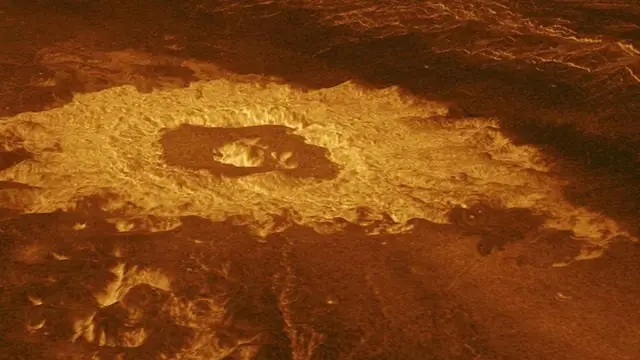
Astronomers confirm for the first time the existence of a giant volcanic cave on Venus
For the first time, scientists have strong evidence that a huge volcanic cave lies beneath the surface of Venus. By reanalyzing radar images from NASA’s…
Adrian Villellas · April 3, 2026
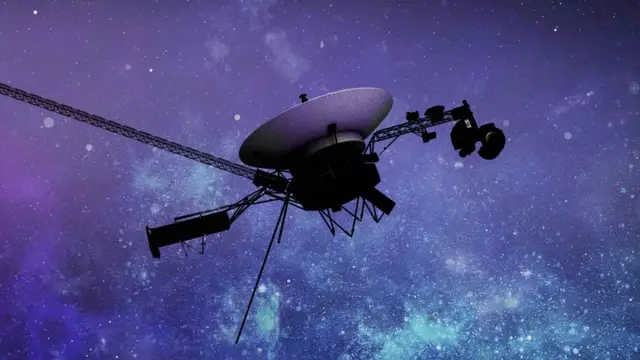
A group of amateur astronomers has just “heard” a signal from 25 billion kilometers away, confirming that Voyager 1 is still transmitting from the outer reaches of the Solar System
An aging spacecraft almost 25 billion kilometers from Earth has just checked in again, and this time the call did not go through a giant space agency antenna.
ECOnews Newsroom · April 2, 2026
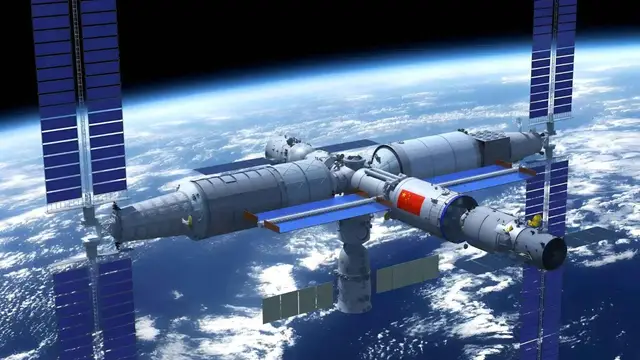
China has set itself the goal of “dominating” the Solar System by the year 2100, and what is most surprising is that it will begin as early as 2026-2030 with mining operations near Earth
What if the next big mining rush does not happen in the Amazon or the deep sea, but on the Moon and in the asteroid belt? That is the vision behind a new…
ECOnews Newsroom · April 2, 2026
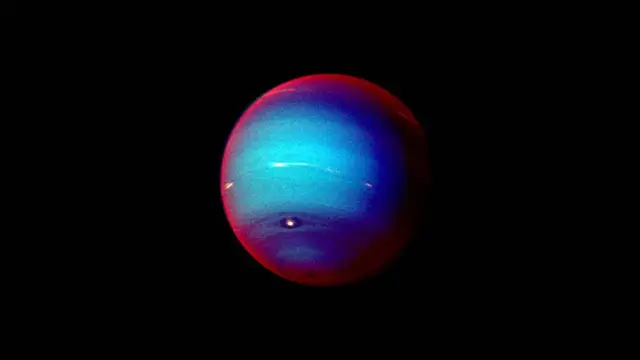
In 1989, Voyager 2 observed “something that didn’t add up” on Neptune, and it took us decades to understand it. Now, a study published in Nature suggests that dark ice could be the cause of the planet’s strange magnetism
When Voyager 2 swept past Neptune in 1989, its cameras grabbed the headlines. The real surprise, though, came from its magnetometers. Instead of a tidy…
ECOnews Newsroom · March 12, 2026
They have found crystalline water ice outside the Solar System, in a young system just 23 million years old
Is water ice really common around other stars, or is our solar system a lucky exception? Thanks to the James Webb Space Telescope, astronomers now have…
Adrian Villellas · March 3, 2026
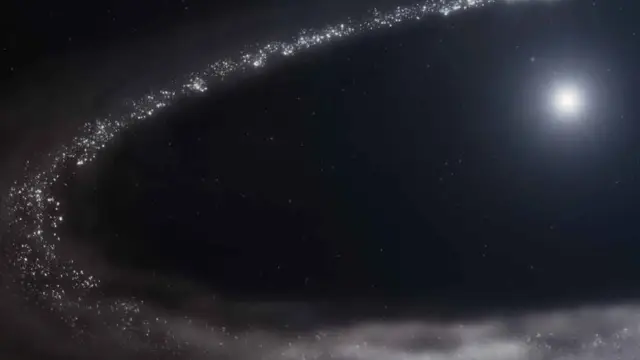
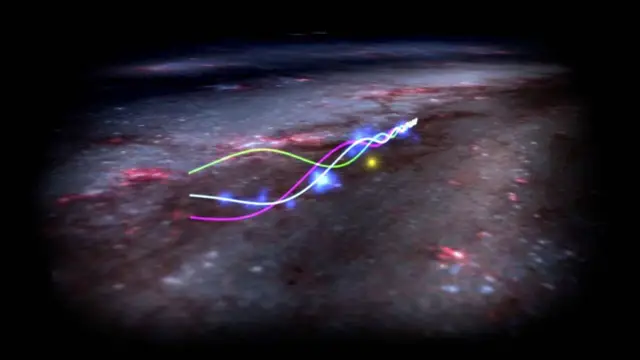
It wasn’t just a simple stroll through the galaxy: 14 million years ago, the solar system passed through a colossal wave of gas and stars that may have triggered the great Miocene glaciation
About 14 million years ago, our solar system sailed through a vast ribbon of gas and baby stars in the Milky Way known as the Radcliffe Wave. A new study…
ECOnews Newsroom · February 28, 2026
Jupiter’s moon could be dead inside
For years, Europa has been the poster child for the idea of hidden oceans that might support alien life. Buried under its bright ice shell, this moon of…
Adrian Villellas · February 16, 2026

A new study of Cassini data confirms complex organic chemistry in the ocean of Saturn’s moon Enceladus
Two decades ago, scientists at NASA looked at the small, icy moon Enceladus and made a bold claim. They argued that this frozen speck orbiting Saturn hid…
Adrian Villellas · February 6, 2026
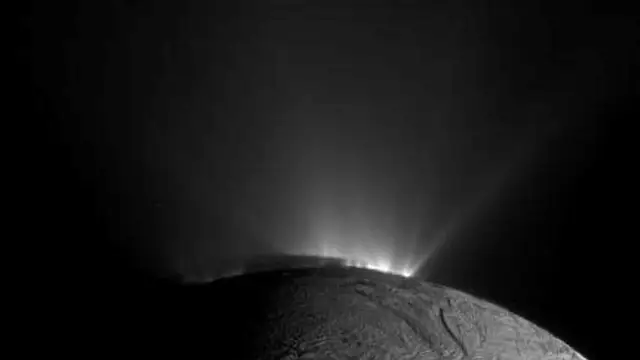
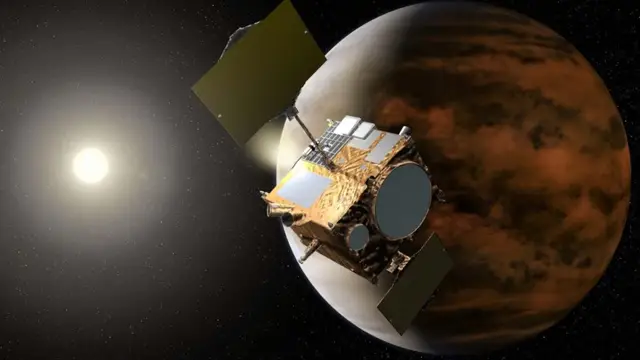
Japan bids farewell to Akatsuki, the probe that spent eight years monitoring Venus and changed what we knew about its hellish atmosphere
Earth has quietly lost its only weather satellite around Venus. On September 18, 2025, the Japan Aerospace Exploration Agency carried out the final…
ECOnews Newsroom · January 12, 2026