Solar system
We still get some interesting news from nearby space! Japan has said goodbye to its Venus probe, old Soviet landers on Venus still amaze us, and occasionally people claim to have discovered new planets beyond Neptune. Read about planetary news, and spacecraft visiting planets.
45 stories · since 2025 · latest, November 7, 2026
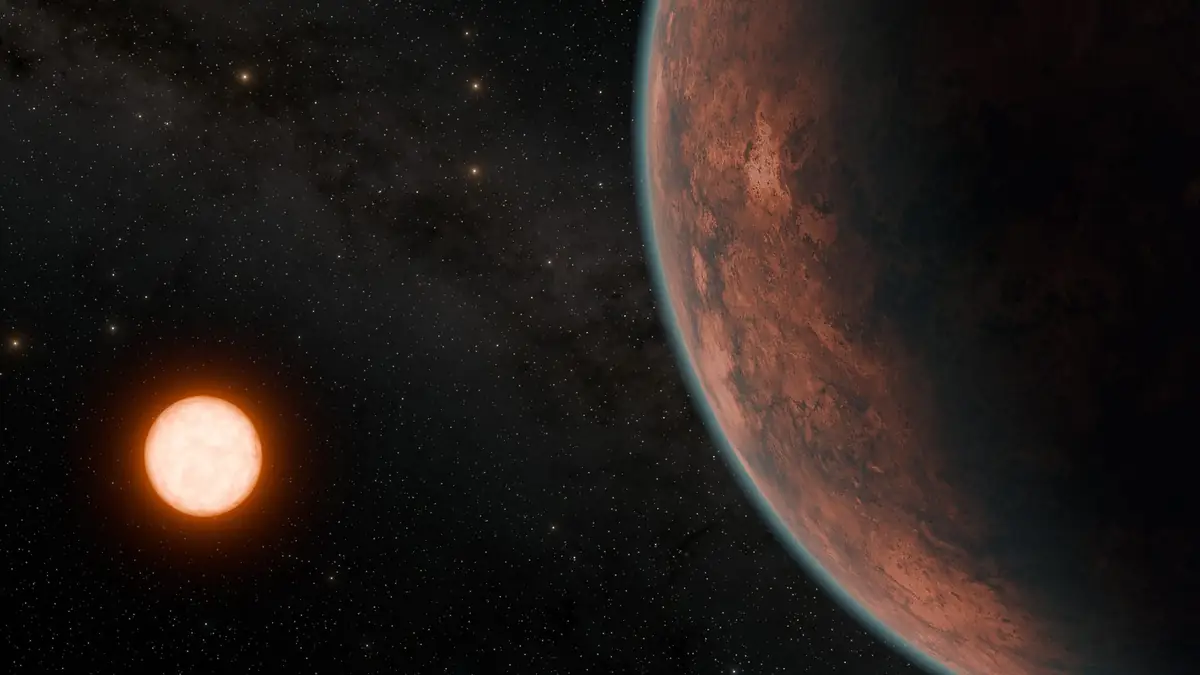
Gliese 12 b, a rocky planet almost the size of Earth, looked surprisingly mild at 107°F, and new climate simulations keep pointing to something much closer to Venus
Gliese 12 b, a rocky planet about 40 light-years away in Pisces, was announced in May 2024 as a temperate world. Its estimated temperature was 107°F…
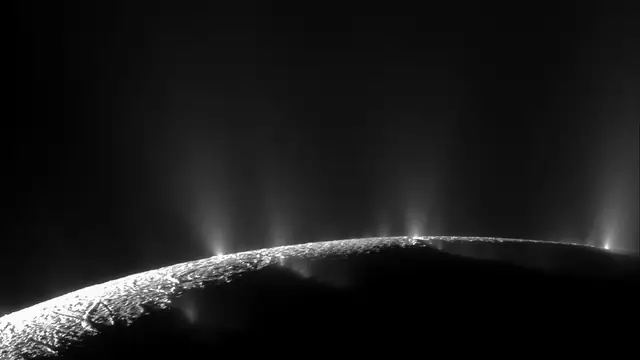
Saturn’s moon Enceladus sorts its own ocean into tiny ice grains that hit up to 620 mph, and scientists say that could make signs of life much easier to spot
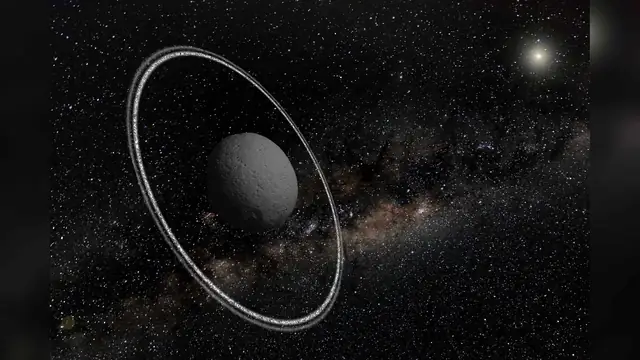
Between Saturn and Uranus, James Webb Space Telescope data show Chariklo’s inner ring about 50% more opaque than in earlier observations, and its outer ring’s signal about 60% weaker than in 2017
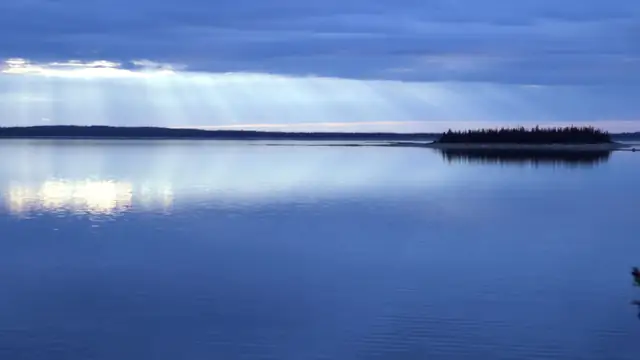
In northern Quebec’s La Grande hydroelectric complex, flooding pushed mercury in fish to 2 to 8 times natural lake levels, and the Cree health board now says most local fish can be eaten safely
In northern Quebec, flooding for Hydro-Québec’s La Grande hydroelectric complex pushed mercury in fish to 2 to 8 times natural lake levels, according to a…
ECOnews Newsroom · October 21, 2026
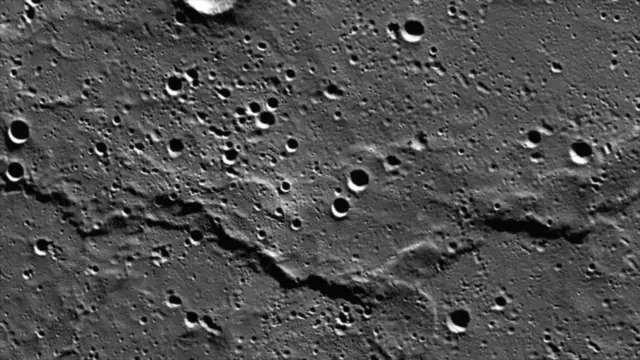
Scientists found fewer wrinkles on Mercury’s roughest ground, and now put its lost radius at 7.2 miles
Paul Byrne has measured how much Mercury has shrunk. In 2014 his team put the loss at up to 7 kilometers of the planet’s radius, a little over 4 miles, in…
ECOnews Newsroom · October 2, 2026
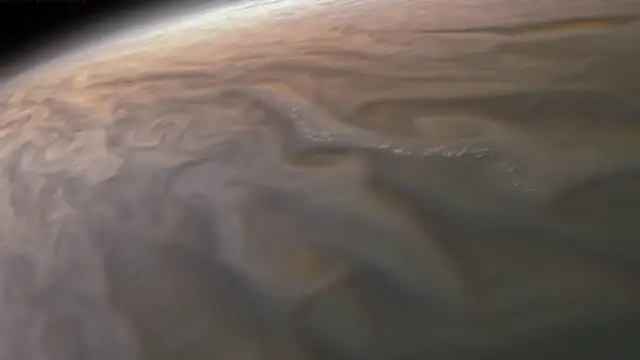
Carl Sagan imagined an ecosystem floating in Jupiter’s clouds with microscopic “sinkers,” kilometer-scale balloon-like “floaters” and roaming “hunters,” but nearly 50 years later scientists have found only that some atmospheric layers could meet limited conditions for life, not evidence that anything actually lives there
Could an ecosystem survive without ever touching the ground? In December 1976, Carl Sagan and astrophysicist Edwin Salpeter explored that possibility in…
ECOnews Newsroom · September 26, 2026
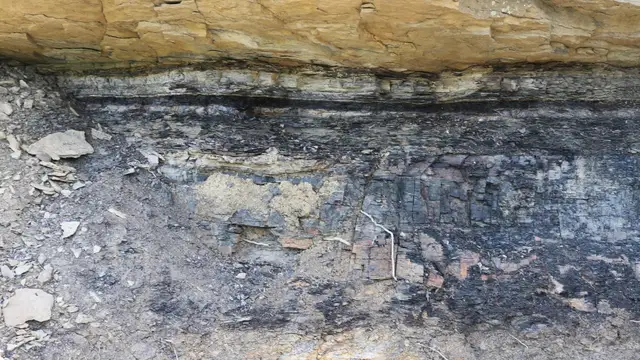
A rare metal has traced the dinosaur-killing asteroid beyond Jupiter, and the discovery narrows a 66-million-year-old mystery
For years, scientists were convinced that they knew what killed the dinosaurs. The explanation was: About 66 million years ago, an enormous asteroid hit…
Adrian Villellas · September 14, 2026
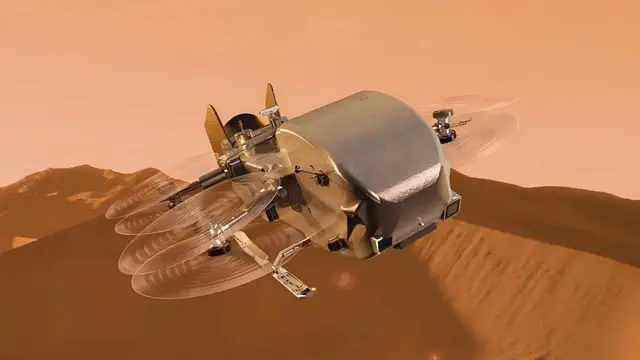
NASA’s Dragonfly is being built to fly on Titan, where thick air and weak gravity could make a truck-sized robot easier to lift
What was once just a project on computer screens has now become reality. NASA’s engineers at the Johns Hopkins Applied Physics Laboratory are now working…
ECOnews Newsroom · August 31, 2026
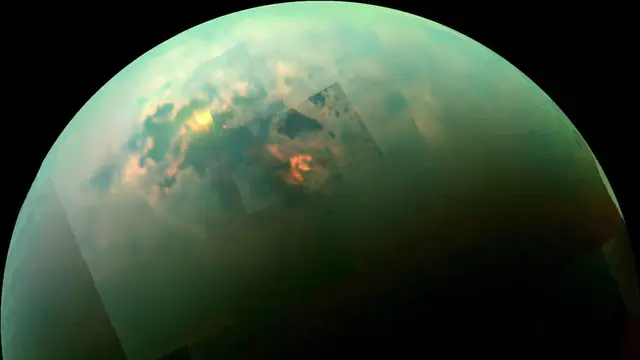
Saturn’s moon Titan has clouds, rain, rivers, lakes and seas that look strangely familiar from space, but at temperatures near -297°F the liquid flowing across this frozen world is methane instead of water
Evidence that water exists on Saturn’s Titan moon is strong, but not in the way an Earthling may think of it. So what is flowing through the rivers and…
ECOnews Newsroom · August 24, 2026
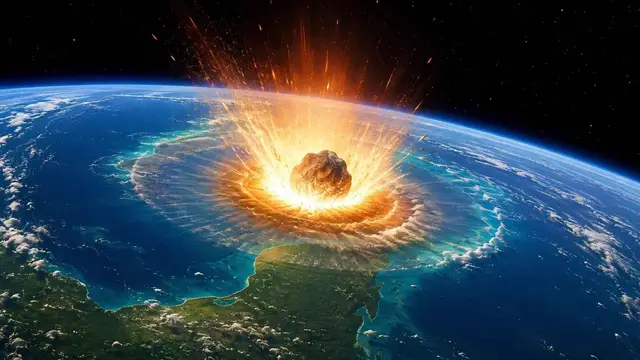
A carbonaceous asteroid 10-15 kilometers wide struck Mexico’s Yucatán 66 million years ago at 64,000 km/h, and isotope analysis now pinpoints its origin beyond Jupiter as a rare CO-type meteorite
Sixty-six million years ago, a 6- to 9-mile asteroid slammed into what is now Mexico’s Yucatán Peninsula at 40,000 mph—and scientists now know it carried…
ECOnews Newsroom · August 20, 2026
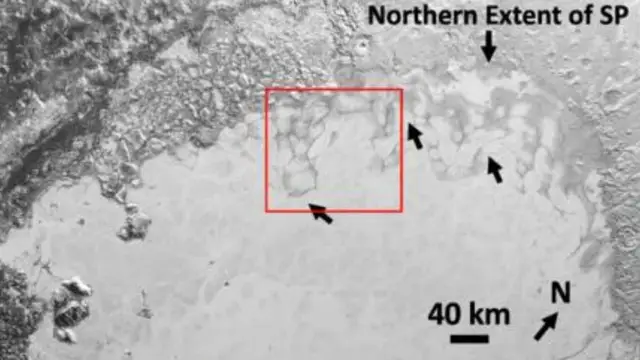
NASA’s New Horizons flew past Pluto just once in 2015, but more than a decade later scientists returned to its old images and found evidence that liquid nitrogen may have flowed across the frozen surface
A decade after NASA’s New Horizons spacecraft swept past Pluto, scientists have found something startling in its old images. A new peer-reviewed analysis…
ECOnews Newsroom · August 10, 2026
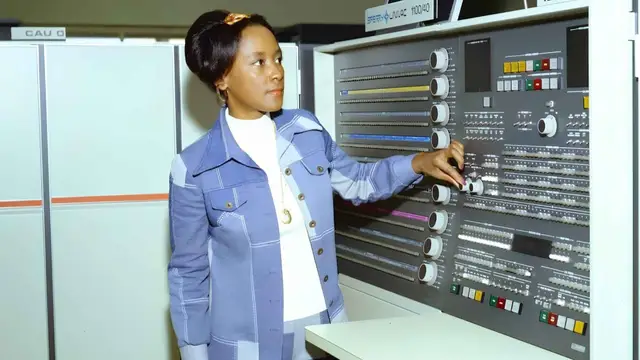
In 1955, she was one of only four African American female employees at the laboratory, and decades later, her work would help pave the way for the Cassini mission to Saturn
A June 19, 2026 Space.com photo feature by Monisha Ravisetti put Annie Easley back in the spotlight on Juneteenth, describing her as a “human computer”…
ECOnews Newsroom · July 9, 2026
Almost 20 years after his death, Elliott Smith, born on August 6, 1969, has just received a very unusual tribute: a minor planet discovered in 2014 will officially bear his name in the solar system
More than two decades after Elliott Smith’s death, the late American songwriter has received an unusual kind of memorial. A minor planet discovered in…
Adrian Villellas · July 5, 2026

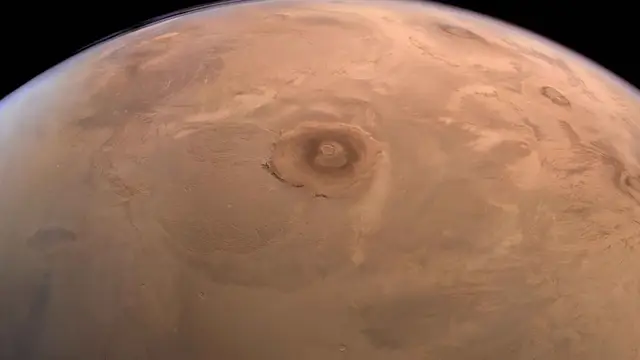
Olympus Mons is the biggest volcano in the solar system, and the detail that breaks your brain is the footprint, about 370 miles wide and roughly 72,000 feet tall from base to summit on Mars
Mars is only about half the size of Earth, yet it carries a mountain that makes our tallest peak look almost ordinary. Olympus Mons, the giant shield…
Adrian Villellas · June 20, 2026
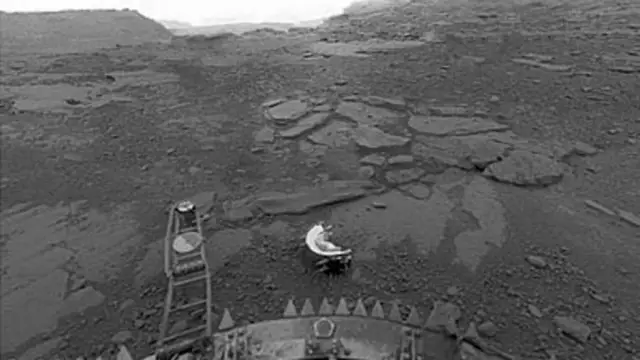
In 1982 the Soviet Venera 13 lander survived 127 minutes on Venus in about 855°F heat and pressure comparable to roughly 2,950 feet underwater, long enough to beam back two panoramas of basaltic rock under an orange sky
Most spacecraft are built to avoid disaster. Venera 13 was built to meet one head-on. On March 1, 1982, the Soviet lander touched down on Venus and kept…
Adrian Villellas · June 6, 2026