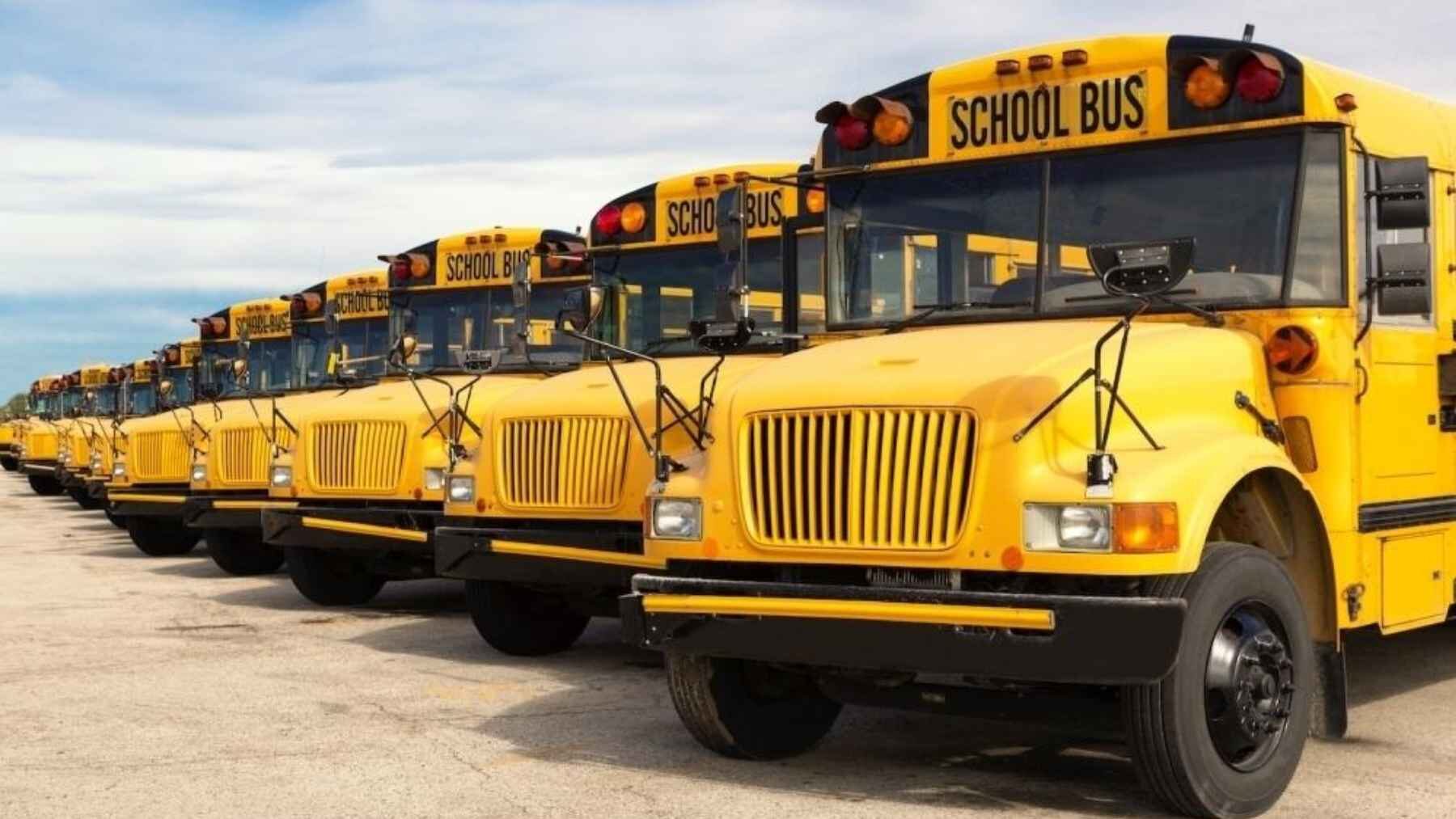
An online report says intense Texas heat has given electric school buses an unexpected summer job. Instead of sitting in a parking lot while schools are closed, these buses are said to be sending stored electricity back to the grid when air conditioners drive demand toward dangerous highs.
The basic idea is real, and it is already happening in part of the U.S. Reuters found more than 200 electric school buses taking part in these vehicle-to-grid projects, spread from California all the way to North Carolina. About 230 fully running buses are providing roughly eight megawatt-hours of stored energy. Energy researcher Steve Letendre described it as “very early days,” which is a fair reminder not to treat a small pilot program like a fully proven fix for Texas blackouts.
How two-way charging works
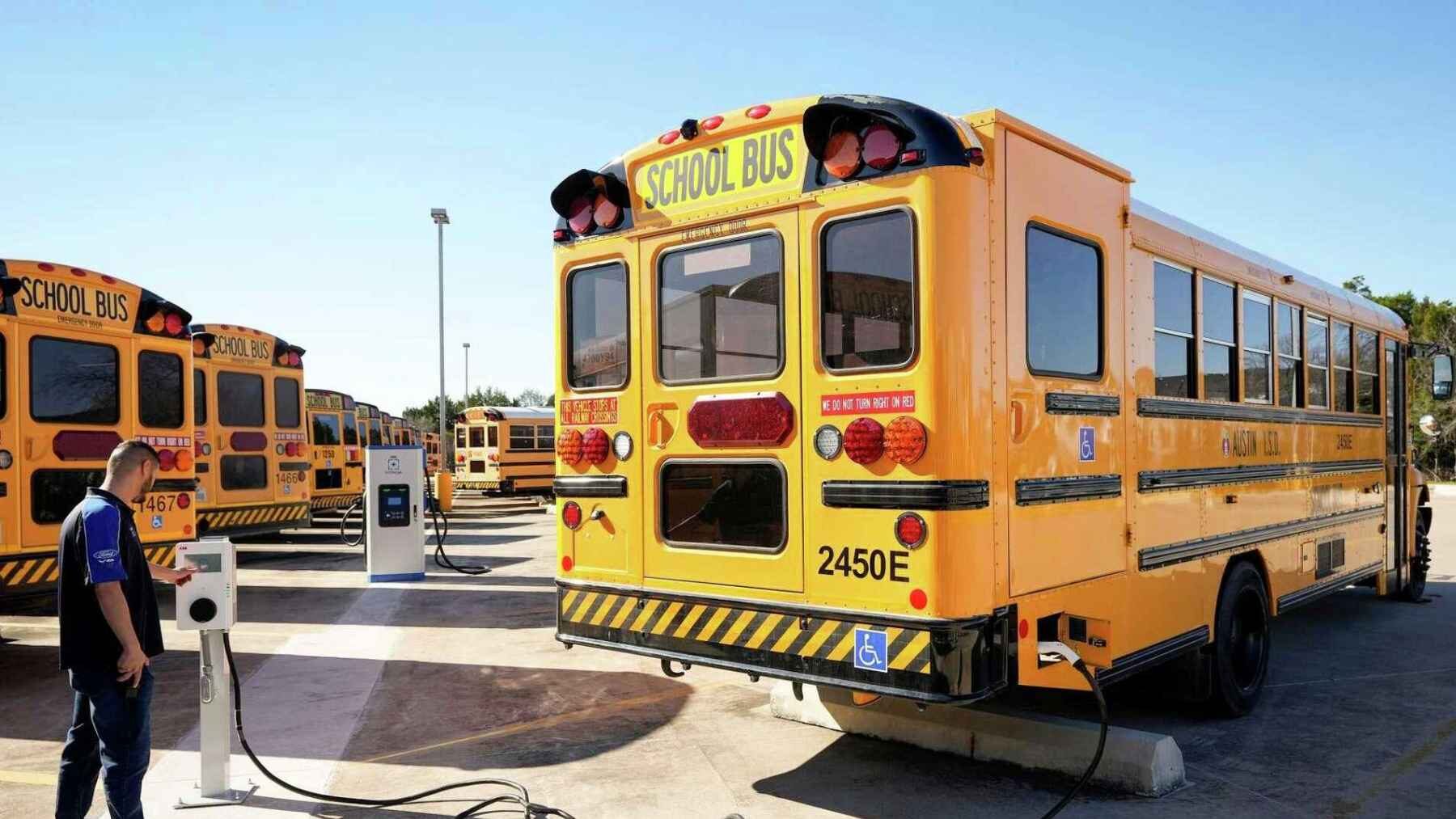
Vehicle-to-grid technology, or V2G for short, works through what is called a bidirectional charger. Basically, electricity flows into the bus battery when demand is low, and then flows back out of the grid during specific, approved moments when it is needed.
Federal guidelines say this setup also needs coordination with the local utility company, safety-certified equipment, and enough charge left over so the bus can still finish its actual job: getting kids to and from school.
School buses turn out to be perfect candidates for this. Their routes are predictable, their batteries are huge, and a lot of these buses sit parked for hours between morning and afternoon runs. Summer break creates an even longer window, although every project must protect the next school route before selling or releasing electricity.
Why eight megawatt-hours matters
Eight megawatt-hours will not rescue an entire regional grid. Using average household consumption reported by the U.S. Energy Information Administration, that amount works out to roughly enough electricity for about 1,600 homes over four hours. In the sticky late-afternoon heat, when nearly every air conditioner seems to be running, that is not nothing.
Timing is really what makes this useful. Air conditioning is the single biggest source of home electricity use, and hot afternoons can push local power systems close to their limits.A depot full of connected buses can help shave off that peak demand, take some pressure off other power sources, and even earn a school district some money to help with its transportation budget.
The Texas claim lacks public proof
Texas does already have electric school buses on the road. Martinsville Independent School District launched what the project companies described as the state’s first all-electric school bus fleet in 2023 with five Blue Bird buses, five Level 2 depot chargers, and Nuvve charge-management software.
But here is the catch: The official announcement never mentioned bidirectional equipment, and it never reported any electricity actually being sent back to the Texas grid.
A World Resources Institute table updated through April 2025 listed school bus V2G pilot programs across 19 states, and Texas is not one of them. That does not necessarily mean no such project exists in Texas today, but it does mean the specific claim about preventing blackouts can not actually be confirmed based on the public records available right now. And that distinction really matter because just having electric buses does not automatically mean you have a power plan connected to the grid.
California shows what verified V2G looks like
Oakland offers one of the best real, documented examples of this working at scale. The school district there runs a 74-bus electric, equipped with bidirectional chargers, built to function like a “virtual power plant,” meaning many batteries can respond together like one energy resource.
Fleet operator Zum estimates the buses can return about 2.1 million kilowatt-hours to the local grid over a year while still completing their student routes.
San Francisco is another major test. In May 2026, the company announced that a 104-bus deployment with bidirectional charging would begin in August and could return about three million kilowatt-hours annually during peak periods.
In practical terms, the buses remain transportation first and become grid batteries only when their schedules and charge levels allow it.
Harsh weather tests still matter
GreenPower Motor Company reported that one of its Nano BEAST buses, tested at high-elevation in New Mexico, warmed up from 17 degrees to 84 degrees Fahrenheit during a 30-minute pre-trip check. The company says the cabin stayed warm for the whole route without cutting into the bus’s driving range.
That said, this cold-weather trial does not prove that Texas buses are preventing summer outages. What it does show is why thermal management, the system that keeps batteries and passenger cabins within safe temperatures, really matters once the weather gets extreme. A bus with poor temperature control cannot be counted on for either transportation or grid service.
The technology has real limits
V2G is promising, but it is not a magic shield against outages. These projects still deal with expansive equipment, slow utility connections, incompatible hardware, uncertain payment rules, and questions about battery life or warranty coverage. Operators also need safeguards so a grid event never leaves a driver short of energy for the next route.
Federal funding has accelerated the move away from diesel. The Environmental Protection Agency’s Clean School Bus Program was authorized to provide five billion dollars from fiscal years 2022 through 2026 for cleaner replacements.
Still, buying an electric bus does not automatically create a grid resource because districts also need bidirectional chargers, utility approval, compatible software, trained staff, and a clear payment agreement.
A useful tool, not a Texas miracle
The most honest conclusion is less dramatic and more interesting. Electric school buses really are already sending power back into several U.S. grids during periods of high demand, and their long parking times make them a practical source of flexible energy storage. This approach could easily grow as more school districts, utilities, and equipment makers agree on common rules.
So, could these yellow buses on wheels eventually become a real part of America’s energy system? Probably, at least to some extent. But local pilot programs are completely different thing from statewide blackout protection, and right now, there is simply no public evidence to back up the specific claim about Texas.
The official vehicle-to-grid guidance has been published by the U.S. Department of Energy.