Where do polar bears live? Only around the Arctic, in 19 subpopulations across five countries, and in the U.S. only in Alaska, where Southern Beaufort Sea bears fell about 40 percent in 2001-2010
Polar bears live on Arctic sea ice, mostly north of the Arctic Circle, and the latest global estimate puts their number at about 26,000

· 5 min read
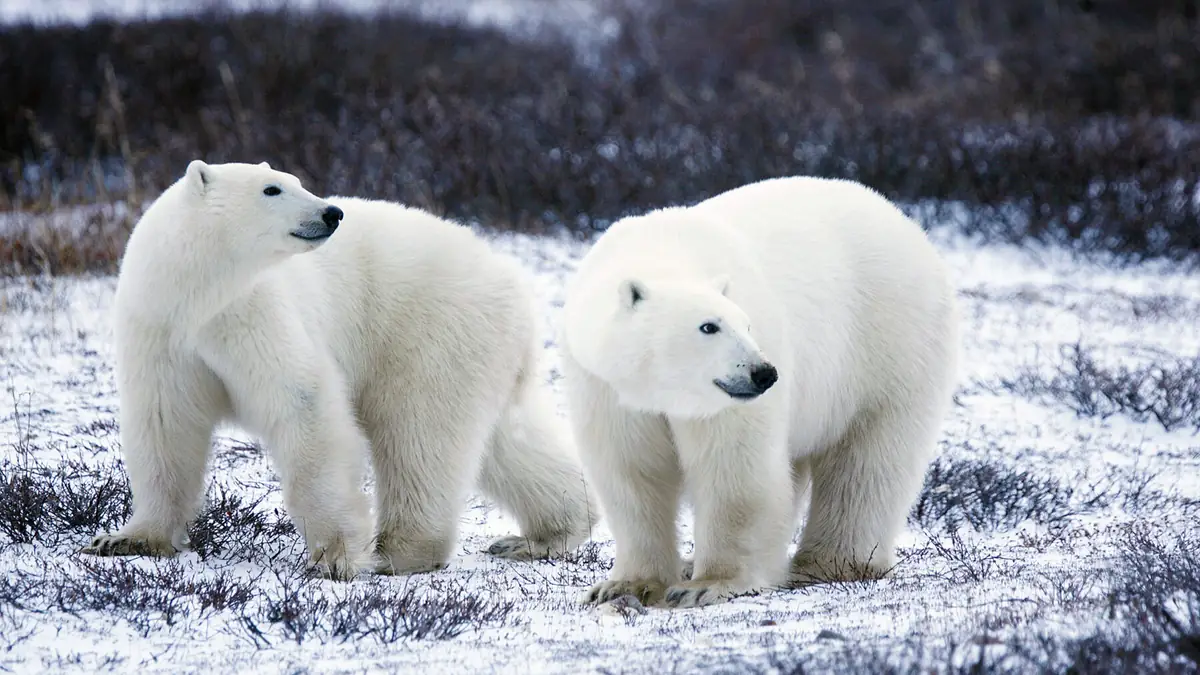
Polar bears live only around the Arctic, on frozen seas, and the U.S. Fish and Wildlife Service sorts them into 19 subpopulations across five countries: Canada, Greenland, Norway, Russia, and the United States. In the U.S., that means Alaska, which holds parts of two subpopulations, in the Chukchi Sea and the Southern Beaufort Sea. The bears depend on sea ice for nearly all of their life functions, and they hunt seals almost exclusively from it. The most recent worldwide estimate is about twenty-six thousand bears, though experts say to read that figure with caution. Southern Beaufort Sea bears fell about forty percent between 2001 and 2010, and the population leveled off at around nine hundred. Of eighty cubs observed in Alaska from 2004 to 2007, only two are known to have survived. Polar bears have been listed as threatened since May 15, 2008, and none live in Antarctica.
Polar bears (Ursus maritimus) live on the frozen seas at the top of the world, mostly north of the Arctic Circle, and the U.S. Fish and Wildlife Service sorts them into 19 subpopulations spread across just five countries: Canada, Greenland, Norway, Russia, and the United States.
That's a lot of ground for one animal. The agency says the polar bear's range circles the Arctic and is among the largest of any living large carnivore, with the bears using ice-covered ocean waters in both the Arctic and the Subarctic. In the U.S., that means Alaska. It holds parts of two of those subpopulations, in the Chukchi Sea and the Southern Beaufort Sea.
As for how many polar bears are left, the most recent worldwide estimate is about 26,000. The USFWS lists the number with a 2023 date, but the IUCN's Polar Bear Specialist Group (PBSG) traces it to a 2016 analysis by Regehr and colleagues, with a statistical range of 22,000 to 31,000 bears. In its 2023 status report, the group writes that the figure should be read with caution, because it also reflects how much scientific information is available.
There's one bit of bookkeeping to know about, too. The PBSG's online population table carries a 20th row, for the Arctic Basin, while the 2023 report and the USFWS both count 19 subpopulations. This story sticks with 19.
Where polar bears are found: wherever the sea ice is
The short answer to where polar bears are found is the sea ice. The USFWS describes the species as heavily dependent on it throughout its range, and the USGS Alaska Science Center says the bears are tied to the ice for nearly all of their life functions. They hunt seals almost exclusively from it.
On paper, it's a marine mammal. The USGS points out that the polar bear is one of four marine mammal species managed by the Department of the Interior.

Family life runs on a calendar. Females enter dens between September and December, according to the USFWS, and cubs usually stay with their mother for about two years.
Not all of that ice behaves the same way. The PBSG places five subpopulations (Barents, Chukchi, Kara, Laptev, and Southern Beaufort) in what it calls the divergent ice ecoregion, and the report singles out the Chukchi and its wide continental shelf as more vulnerable to warming and ice loss. That group includes the bears of the Barents Sea off Norway, although ECONEWS has reported on polar bears in Norway that scientists found getting fatter and healthier as Arctic ice shrinks.
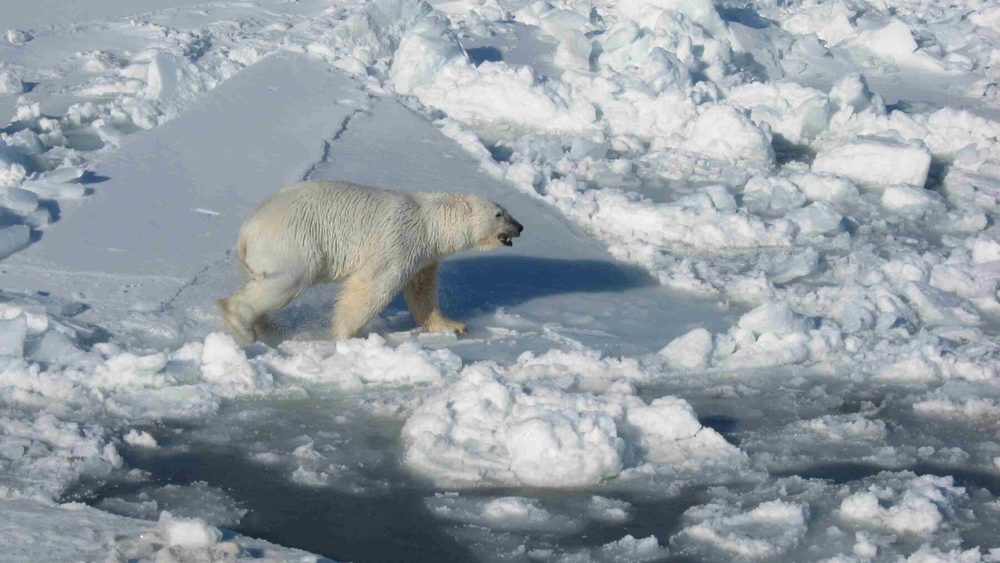
Polar bears in Alaska, the only ones in the U.S.
Those two Alaska subpopulations are the only polar bears in the country, and both of them cross borders. According to the USGS, the Chukchi Sea bears live between Alaska's northwest coast and eastern Russia, while the Southern Beaufort Sea bears range between the North Slope (Alaska's northern edge) and western Canada. USGS scientists have been studying polar bears in Alaska since 1985.
The newest counts aren't very new. The PBSG's table puts the Chukchi Sea subpopulation at 2,937 bears in a 2016 estimate, with a statistical range of 1,552 to 5,944, and calls the short-term trend from 2008 to 2016 likely stable. The Southern Beaufort Sea estimate is about 900 bears (somewhere between 606 and 1,212), and it dates to 2010. The group lists that trend as likely declining, both from 1983 to 2015 and from 2001 to 2015.
The PBSG says a new assessment is in the works. It also notes that a 2021 study led by Bromaghin covers only the U.S. part of the Southern Beaufort Sea.
Those bears have already been through a rough patch. A 2014 USGS release says the Southern Beaufort population fell about 40 percent between 2001 and 2010, with the steepest drop from 2004 to 2006. Of 80 cubs observed in Alaska from 2004 to 2007, only two are known to have survived. By 2010, the population had leveled off at around 900 bears.
The ice under them is changing, too. It's thinner and more fragmented off Alaska, the USGS says, and over three decades maternal denning has shifted toward land. The PBSG's list of concerns for Alaska reads like a checkup that didn't go well: poorer body condition (in plain terms, thinner bears), more fasting, low survival, and more time on land in summer. The group also flags the potential for conflict with industrial development on the coastal plain.
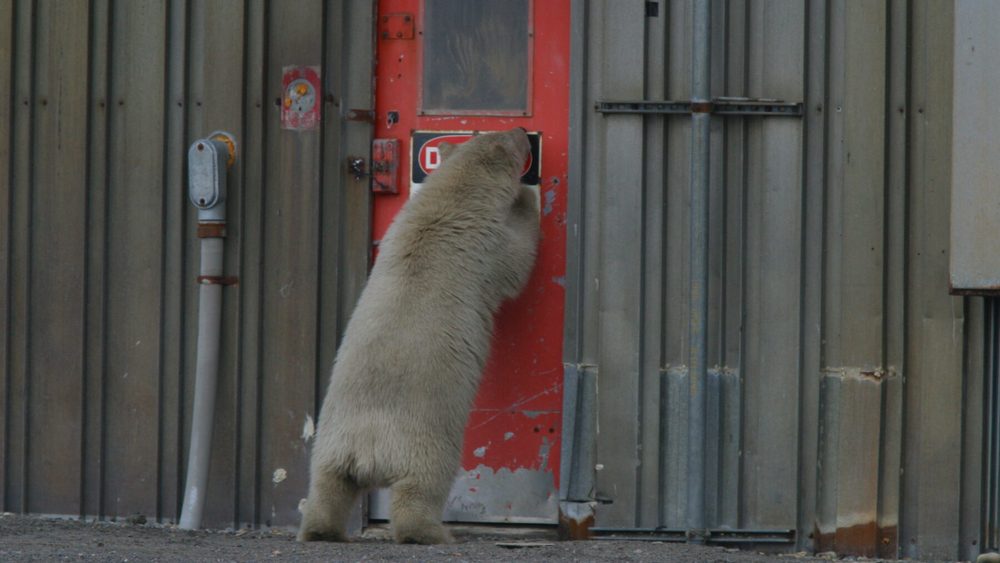
Polar bears have been listed as threatened throughout their range under the Endangered Species Act since May 15, 2008, according to the Alaska Department of Fish and Game. The listing rested on a forecast, not a head count: the bears were judged likely to become endangered in the foreseeable future because of declining sea ice.
Alaska's polar bears also share the state with other bears. The USFWS says polar bears and brown bears overlap in northern Canada, Alaska, and eastern Russia, and ECONEWS has written about black bears in northern Alaska that can stay dormant for seven to eight months without eating.
Polar bears don't live in Antarctica
Cartoons love to put a polar bear and a penguin on the same ice floe. The polar bear half of that picture is easy to check. Every one of the 19 subpopulations the USFWS describes sits in the Arctic or Subarctic waters of Canada, Greenland, Norway, Russia, and the U.S. None of them is in Antarctica, at the opposite end of the planet.
Emperor penguins form their colonies down there, and they're hard to keep tabs on. They vanish from satellite photos every Antarctic winter, so scientists followed them with radar for eight years instead.
The southern ice has its own troubles. In 2026, Antarctic sea ice hit its third-lowest winter peak since satellites began watching, and less than three weeks later it was setting record lows for the date.
Glossary for this story
- Endangered species
- A species at serious risk of disappearing. In the U.S., the Endangered Species Act protects those listed.
Javier Niño
Writer at ECOnewsJavier Niño has been a Spanish National Police officer since 2017 and a journalist specialising in employment, labour law and Social Security, with more than seven years of writing experience. At ECOnews he covers environment, energy and sustainability news, focusing on how new regulations and court rulings affect people in their everyday lives.
More from Javier NiñoComments · 0
Rules ›No comments yet. Be the first to share your view.