Energy efficiency is becoming increasingly important in the residential sector, and has a leading role to play in our ecological transition. However, we have not yet found the key to achieving it, until a group of experts came up with a very curious solution: inventing a new color, something that was thought to be impossible for decades. It is the coldest in history, and it is capable of doing this in your home from your walls. We anticipate that its first result will be to kill your air conditioning.
This is the “world’s coolest color”: Experts have achieved what was considered impossible
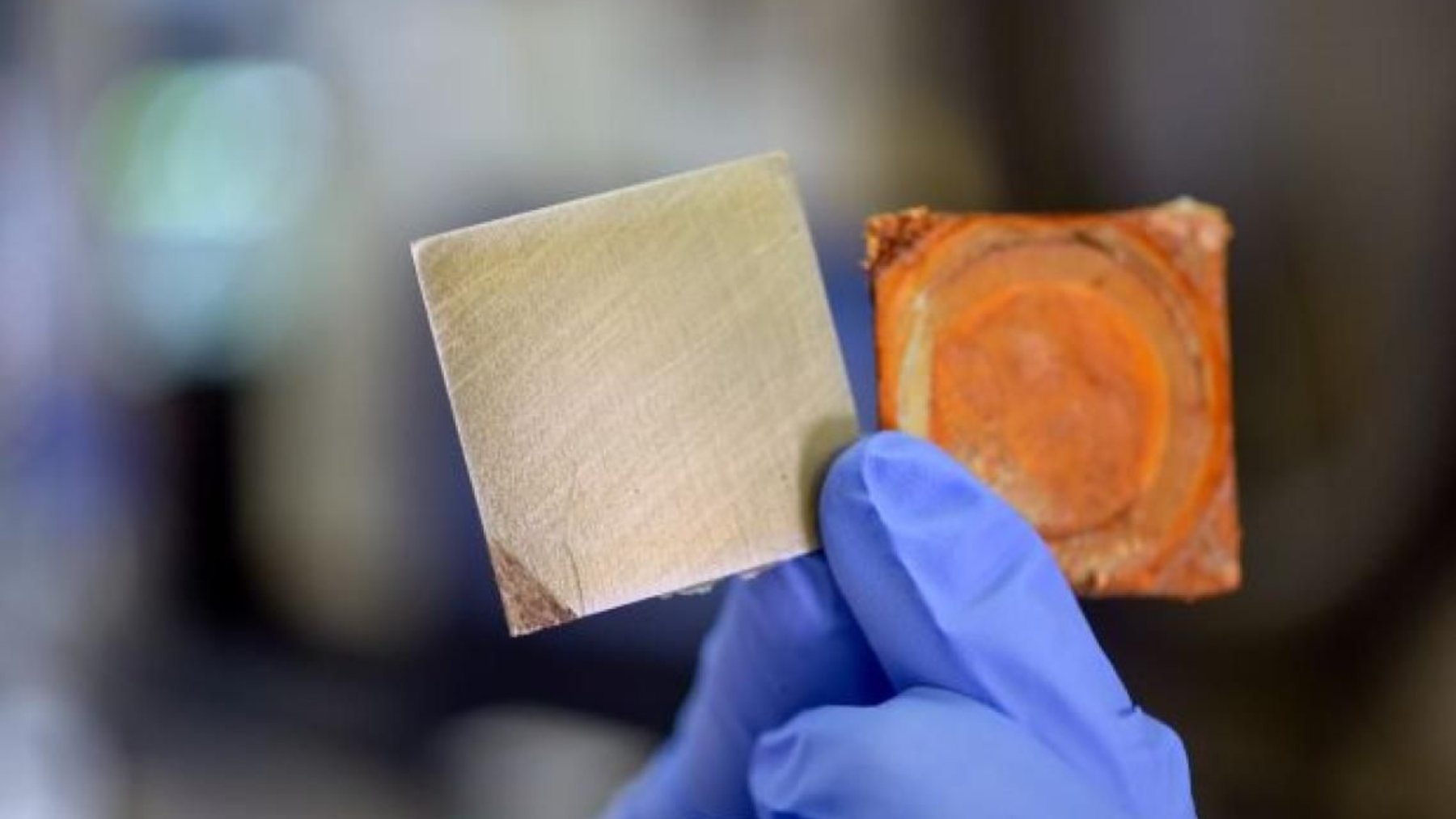
Currently, ultra-white paint that was discovered by researchers at Purdue University has been widely known for its features of reflecting sunlight and heat. This paint is scientifically called “Ultra-White,” and this paint has a right and very viable use by homeowners who are facing heat problems in their house.
Ultra-white paint is made to act as a reflector of as much as 98% of the incident darkest hue. 1 percent of sunlight, much higher than white paints that can reflect over 80–90 percent of sunlight. This high reflectivity leads to lower surface temperatures, which makes it a good solution for buildings that need to be cooled.
Due to its effect in reducing the incidence of heat absorption when used in roofs and outer walls, the paint can immensely assist in reducing the use of air conditioning, hence saving on energy. These paints can easily be incorporated into any home by the homeowners. Solvent-based paints can be applied using the same basic painting methods and equipment as normal paints.
How does ultra-white paint work? It’s not about magic, but about these innovative materials
This paint is made from barium sulfate, which improves its reflective nature, making the surface to remain cooler even in intolerable heat from the sun. The mitigation is very effective, as can be seen from the Ultra-white paint’s performance. Some experiments used this paint as a surface-cooling material, and the results pointed out that its usages were 10 degrees Fahrenheit cooler.
This can result in a lot of energy being saved, especially in places where air conditioning is essential due to the hot weather. The coating that is used for the paint also has a durability aspect to it, coupled with the fact that it does not fade away, hence its functionality does not diminish over time.
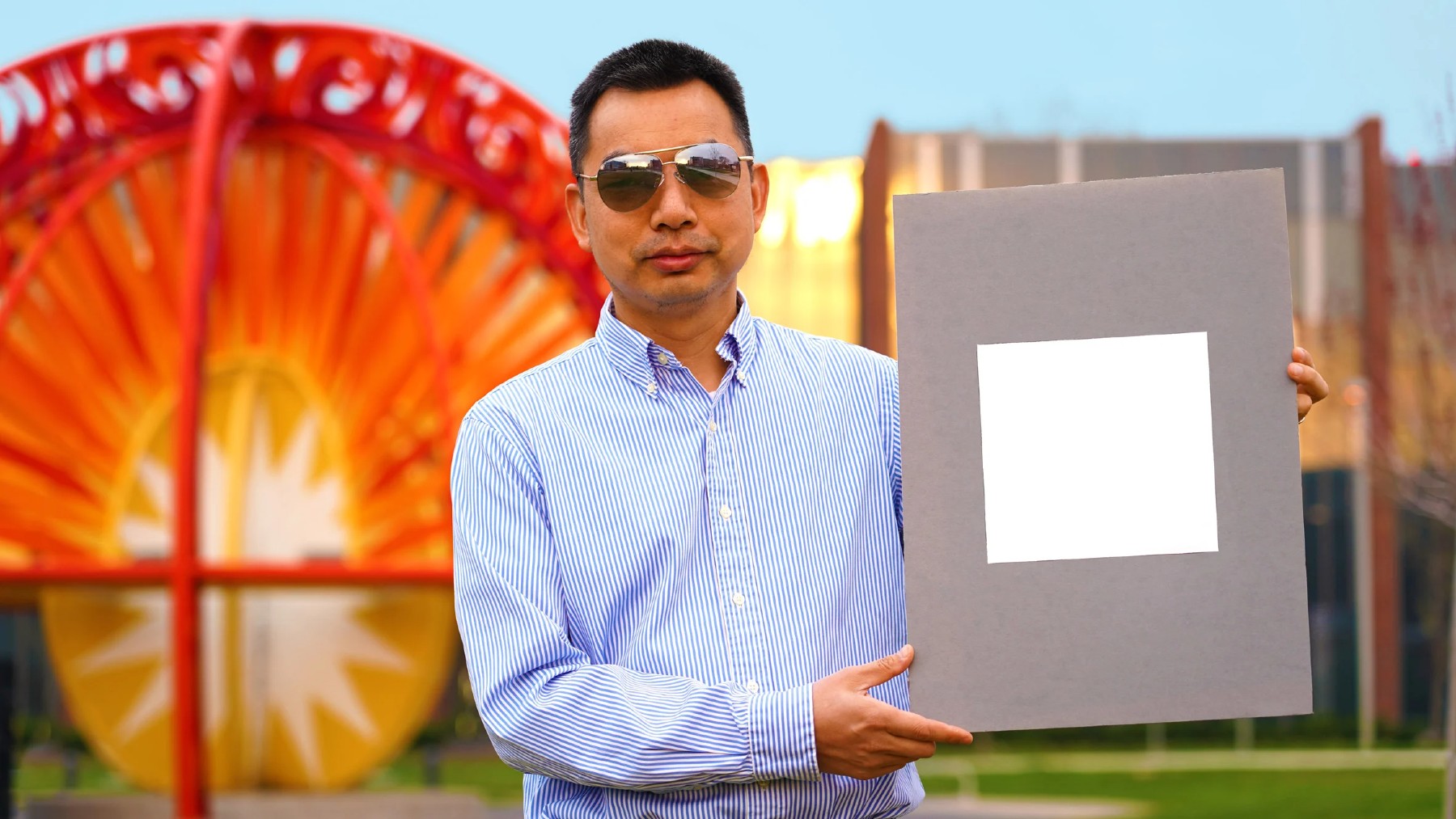
This durability entails that only great value arrives from the side of homeowners once they opt for ultra-white paint. The Ultra-white paint was discovered by a group of scientists majoring at Purdue University, and the leader of the research team was Professor Xiulin Ruan.
Some keys about ultra-white paint: The impossible color created for the first time
The project was started with the aim of developing a paint that should have the capacity to reflect sunlight more than any paint on the market. The researchers tried different materials and combinations and found that barium sulfate gave the best result because of its light-reflective characteristics.
Another of the interesting features of Ultra-white paint is its effect on the climate. Through the process of reflecting sunlight and cooling down surfaces, this paint has the ability to lessen the global temperatures, especially in areas such as cities, which are comparatively hotter than, say, countryside areas.
Did you imagine it was possible to create a new color? The ultra-white paint is a historical milestone that surpasses the much more experimental Vantablack with a more experimental role. It is intended for the energy efficiency of the home, but also for those who cannot install solar panels or need an insulation solution. As you can see, this is an invention that breaks the limits of the theoretical and surpasses everything we knew about construction.