
Water is well known as a cleansing agent but – when it comes to biofuel production – too much water is dirtying up the process.
Researchers from the United States Department of Energy’s Pacific Northwest National Laboratory have found that water helps form an impurity which slows down key chemical reaction in the biofuel process.
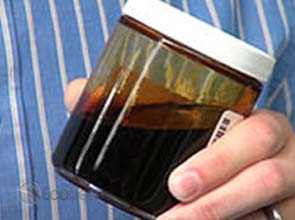
The study examined the conversion of biomass into bio-oil for transportation fuel. The researchers used computer simulations to explore what happens to a byproduct known as phenol during the biofuel process.
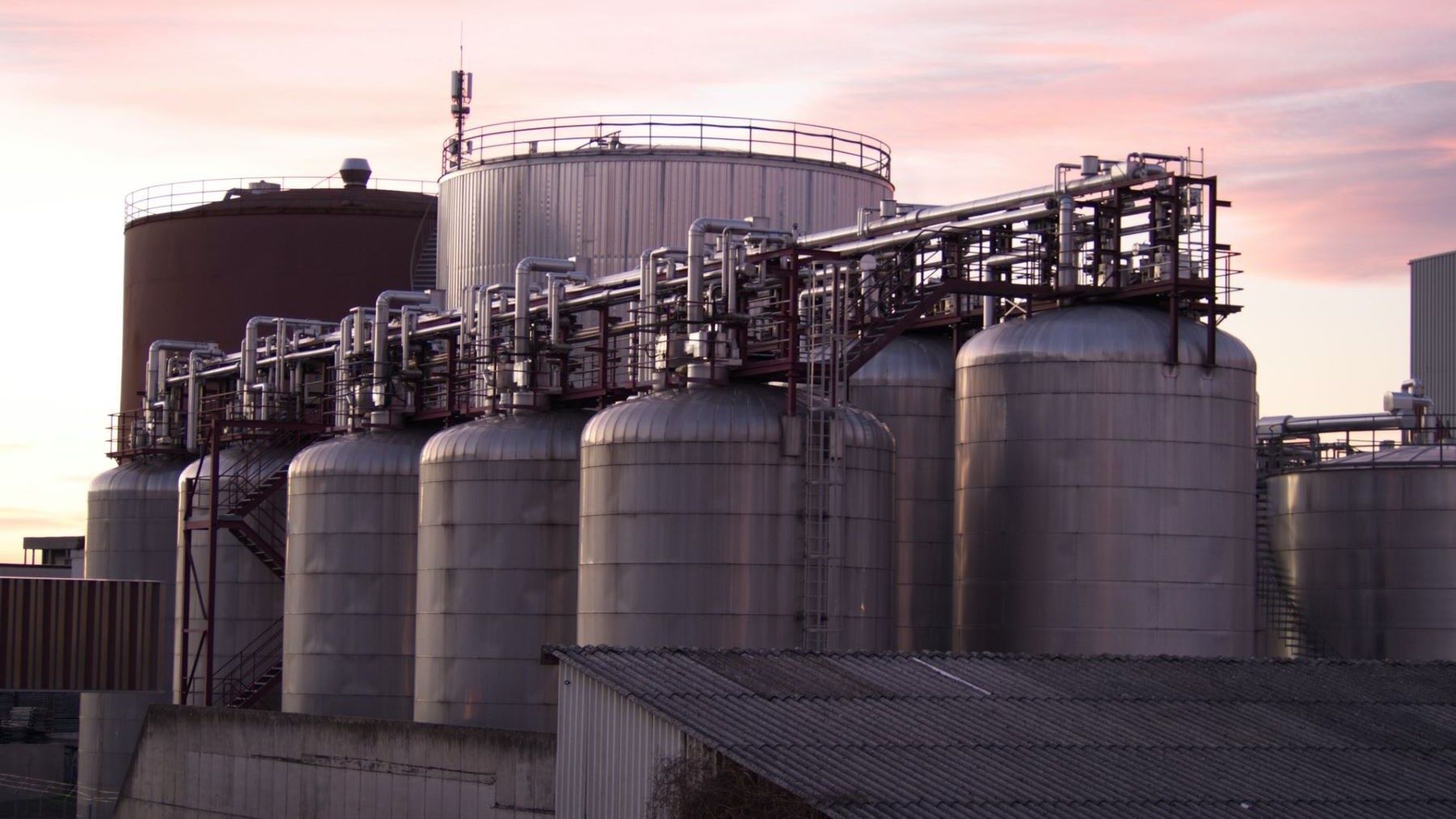
To make biofuels, plant matter is rapidly heated up in a process called pyrolysis. Catalysts are then added to the mix to finish the process and convert the biomass into fuel.
Phenol is produced as a byproduct in this process. While phenol itself is not much of a problem in fuels, combined with certain catalysts some molecules of phenol are transformed into more problematic molecules called ketones.
Ketones molecules tend to link up and form long chains that gunk up the catalysts and interfere with the catalysts ability to trigger important chemical reactions, slowing the biofuel production process.
The P.N.N.L. researchers were looking to prevent the phenol to ketone conversion and found that it’s not the catalysts in the mix but the water.
It’s the water that turns phenol into ketones and blocks the reactions that leads to biofuels. The results apply not only to water but to related liquids in bio-oil such as alcohols and certain acids.
The team found that the presence of water – of which there is plenty in both the biofuel process and the biomass used in the process – dramatically upped the speed with which phenol became ketone.
«I was surprised at the role liquid plays in the reactivity of the metal catalyst,» said P.N.N.L.’s Yeohoon Yoon, a co-author on the study. «We know a lot about these reactions in the gas phase, but almost nothing in the liquid. The principles we’ve learned can be applied to other catalyst-driven reactions. They will make working in the complex system of real catalysts making real biofuels easier.»
The next step would be for Mr. Yoon and his team to collaborate with P.N.N.L. colleagues at the Bioproducts, Sciences & Engineering Laboratory to use this knowledge to improve the pyrolysis process in biofuel production.
This work was supported by the Department of Energy Offices of Science and Energy Efficiency and Renewable Energy. – EcoSeed Staff