
Tesla Motors Inc plans to raise $214 million by selling 5.3 million of its shares in a second public offering, with the proceeds partly to be spent on developing its electric sports utility vehicle, the Model X.
According to the company’s S-1 filing, Tesla’s additional 5.3 million shares, and another 795,000 shares the underwriter could purchase, could net $158.47 million at a proposed maximum offer price of $26 apiece.
The offering will be backed up by a private placement, where Tesla chief executive Elon Musk plans to purchase 1.5 million shares of common stock from Tesla, while Daimler A.G. affiliate Blackstar Investco L.L.C. plans to purchase 644,475 shares. At the same public offer price, the combined private placement could reel in $55.76 million.
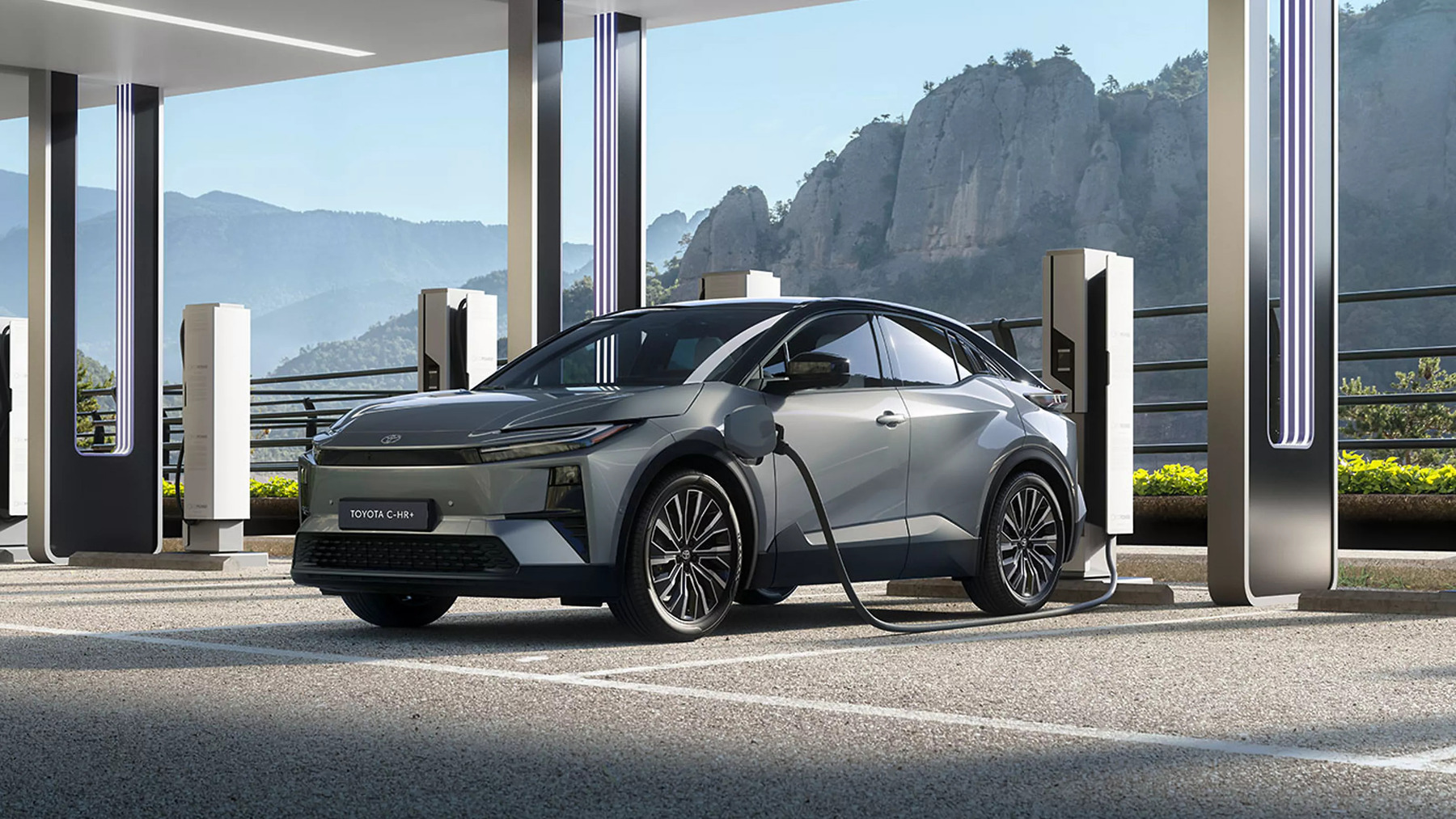
During the company’s first quarterly earnings call, Mr. Musk said Tesla was considering to raise more funds for the Model X project, an electric crossover S.U.V. the company plans to unveil in the fourth quarter of 2013 at the earliest.
The company, however, is far from producing a prototype of the Model X, a delay Tesla fears could potentially hurt the brand and its sales.
The company said the Model X is in its initial design and development stages and currently does not have a manufacturing plan. With designs not yet final, Tesla also has not begun to evaluate, qualify or select suppliers.
“Any delay in the financing, design, manufacture and launch of the Model X could materially damage our brand, business, prospects, financial condition and operating results,” the company said in a statement.
California-based Tesla became the first American carmaker to go public since Ford Motor Company in 1956 when it debuted on the Nasdaq in June 2010. At an offering price of $17, it ended its first day of trading up 40.5 percent to $23.89 and raised an unexpectedly high $226 million
Tightrope
Tesla’s latest financials revealed the challenges it is dealing with to launch new car models in hopes to finally reap profits.
In the first quarter of 2011, Tesla recorded revenues of $49.03 million, more than double its first quarter 2010 revenues of $20.81 million. But at the same time, Tesla lost $48.94 million, a substantial bump from $29.52 million recorded in the same period in 2010.
The company said it currently generates a large part of its revenue from the sale of Tesla Roadsters, its first electric car. But after three years, Tesla decided to end its production in December this year. The reasons behind the move was undisclosed.
Cutting Roadster production could leave the company with a significant gap in sales, just as Tesla is ramping up investments in getting its Model S to market and scouting for more funds to develop the Model X.
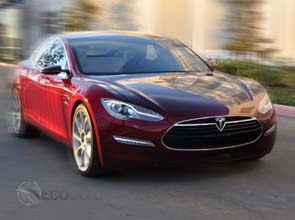
Most of Tesla’s recent spending has been directed at the development of its Model S electric sedan it plans to sell in 2012. At around $50,000, roughly half the price of the company’s flagship Roadster, Mr. Musk said in the company’s 2010 financial report that it could allow more consumers to consider the Tesla brand and boost sales.
Mr. Musk said 600 customers have reserved a Model S since the end of April, requiring a minimum $5,000 deposit.
“Beyond 2011, our sales of new Tesla Roadsters will be limited to any vehicles available from our 2011 production. Prior to the launch of our Model S, we anticipate our automotive sales may decline, potentially significantly,” Mr. Musk said.
“As a result, we anticipate that we will generate limited revenue from selling electric vehicles in 2012 until the launch of our Model S.”
As of March 31, Tesla had accumulated a deficit of $463.9 million. If Tesla encounters delays in launching Model S in 2012, or is unable to draw down the anticipated funds from its loans with the United States Department of Energy through 2012, Tesla fears it could be in financial trouble.
“Capital spending for the Model S program is anticipated to be at its highest level in 2011,” Tesla wrote in its S.E.C. filing. The company anticipates its total capital expenditures for the remaining three quarters of 2011 and all of 2012 for the Model S and Model X will be in the range of $330 million to $370 million.
The company expects most of the capital expenditures on the Model S to be funded by loans from the United States Federal Financing Bank and Department of Energy for up to $465.0 million. Around $363.9 million of the loan is intended for the Model S.