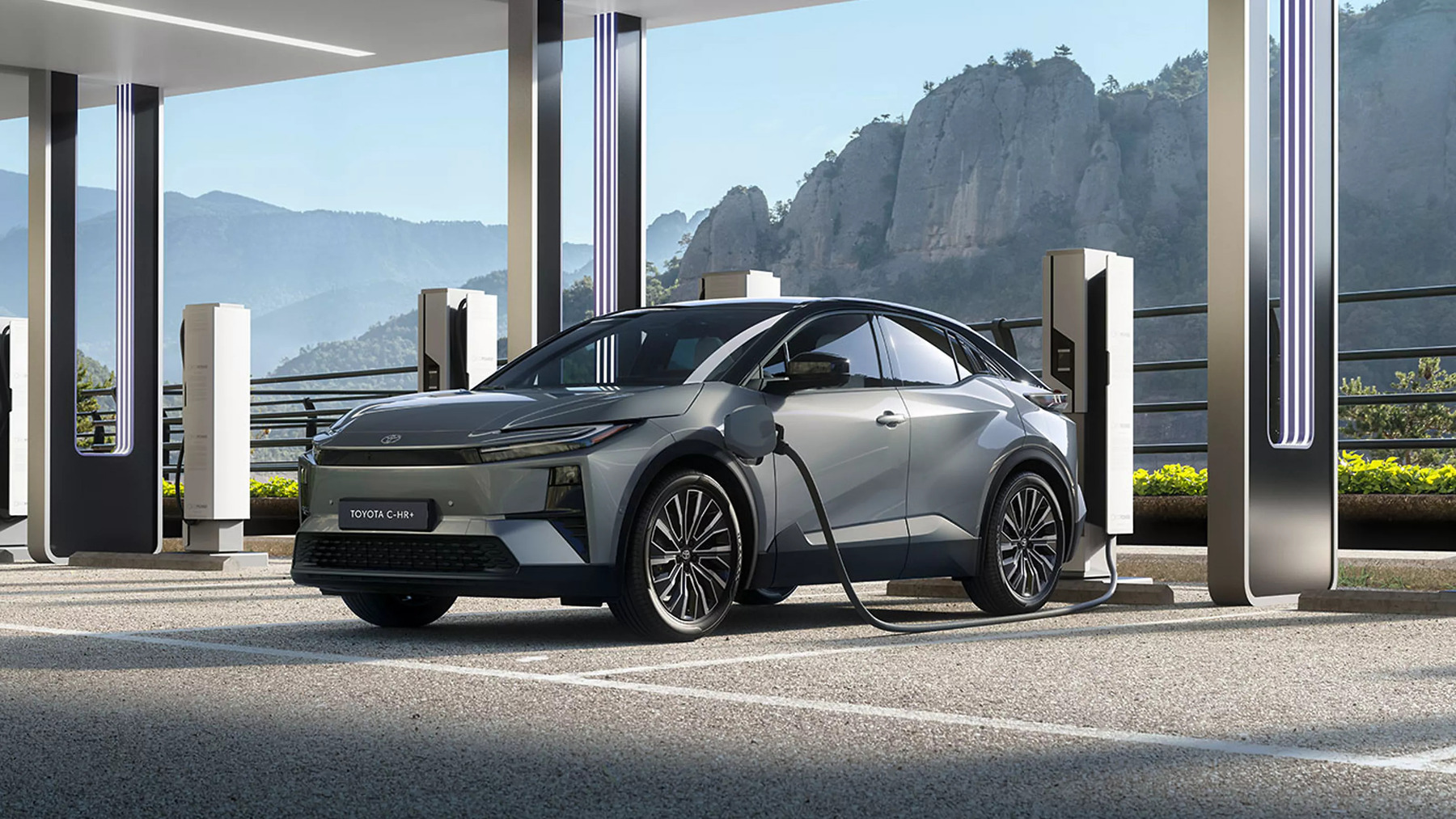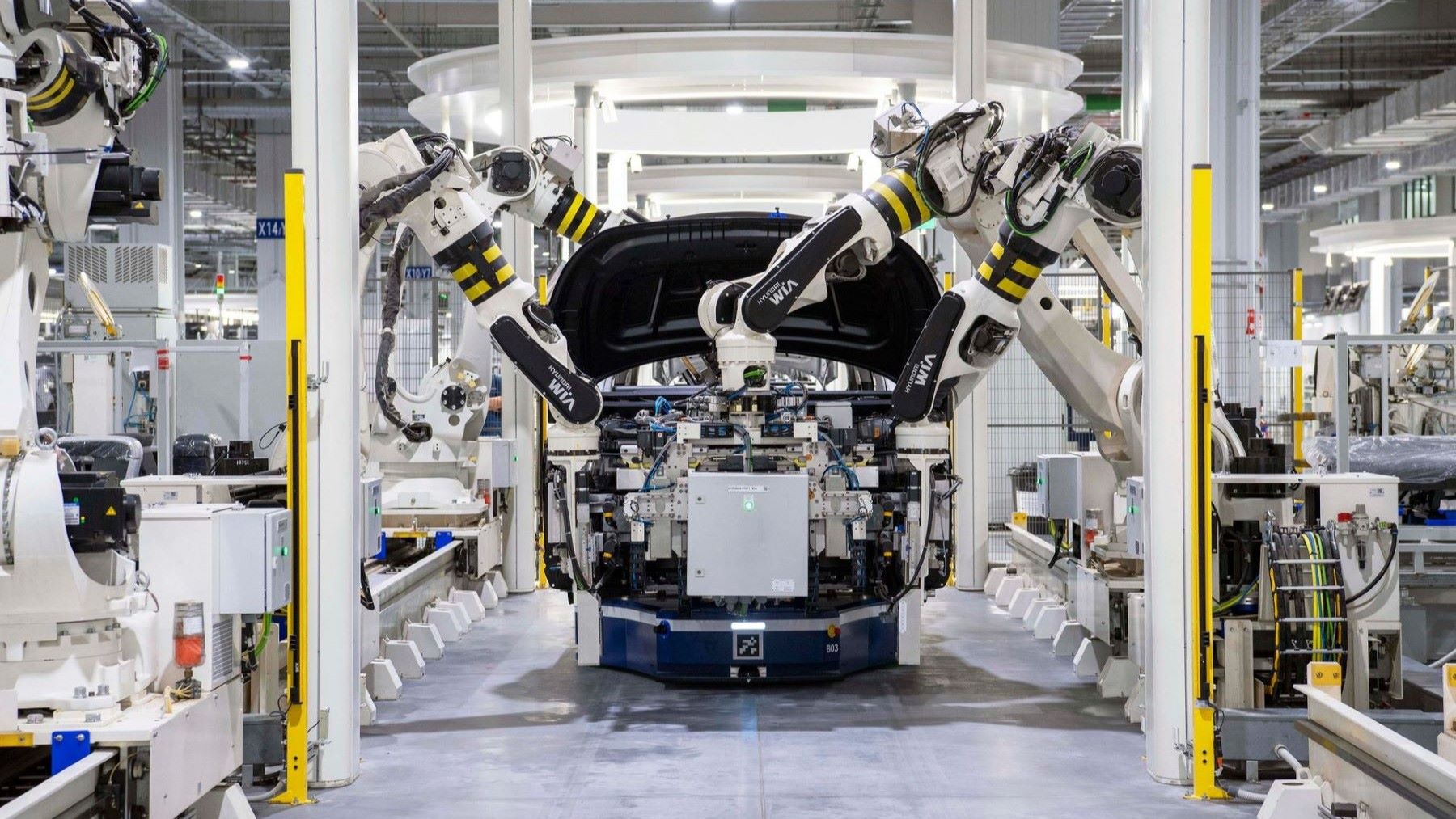

Ford Motors and Toyota Motors have agreed to jointly develop powertrains for hybrid light trucks and sports utility vehicles a decision that comes on the heels of more stringent fuel-economy rules in the United States.
The car makers signed a memorandum of understanding yesterday to build hybrid powertrains for Ford and Toyota rear-wheel trucks and SUVs to be sold within the decade, according to a statement.
Standards for in-car communications systems and internet-based services called telematics will also be developed.
While the powertrain will be developed as a team, Ford and Toyota said they will integrate the system into their vehicles separately because it must be tailored for each of their vehicle models. Telematics products will also be developed separately.
Neither Ford nor Toyota would say specifically which trucks and SUVs will use the hybrid powertrains.
Aside from its popular F-Series pickups, Ford sells several SUV models, including the Ford Explorer and Lincoln Navigator. Toyota sells the full-size Tundra and the midsize Tacoma, as well as the Highlander and Sequoia SUVs.
Toyota executive vice president Takeshi Uchiyamada said the collaboration would mean consumers would be able to purchase hybrid cars at an affordable price.
Powered by a combination of gasoline and electric engines, hybrid cars are said to be more fuel-efficient and less polluting than traditional gas-powered cars.
«Our collaboration with Ford is a move to make hybrid technology more widely available in sport utility vehicles and in trucks,» Mr. Ucchiyamada said in a statement.
«Those kinds of models are indispensable to American consumers,» he added.
Meanwhile, Derrick Kuzak, vice president for Ford’s Global Product Development unit, said the partnership will help the company share development costs and expertise, allowing them to offer better hybrid vehicles to customers sooner.
«This agreement brings together the capability of two global leaders in hybrid vehicles and hybrid technology to develop a better solution more quickly and affordably for our customers,» said Mr. Kuzak.
A final agreement is expected next year, which will define more clearly how the two companies will work together.
Joining partners
This is not the first time Ford and Toyota have worked together. The two companies signed a patent-sharing deal in 2004 that allowed Ford to license Toyota’s Synergy Hybrid system. In exchange, Toyota, gained access to Ford’s key technologies like diesel and direct-injection engine technology.
The following year, Ford introduced a hybrid version of its Escape SUV, which is said to be the world’s first. The Escape hybrid SUV was followed by the Mercury Mariner, Ford Fusion and the Lincoln MKZ sedans in 2005, 2009 and 2010 respectively.
Toyota’s Prius, the world’s first mass-produced gasoline-electric hybrid, is the top-selling hybrid in the United States, with 74,427 sold this year through July and 140,928 in all of 2010, despite massive recalls.
Mr. Uchiyamada said Toyota sold about 3.3 million hybrid vehicles since offering the Prius in 1997. However, 14 years after the Prius was first sold in Japan, the company has only offered two hybrids SUVs – the Lexus RX SUVs and an early version of the Highlander Hybrid in 2005.
CAFE
Hybrid powertrains is one technology automakers are expected to use to meet new fuel economy standards. Federal regulators revealed plans this month requiring car makers to reach average fuel efficiency across their Unites States fleets of 54.5 miles per gallon by the 2025 model year.
This is more than twice the current Corporate Average Fuel Economy requirement of 35.5 mpg by 2016, an increase automakers are trying to meet by embracing battery electric and gas-electric powertrains in their future car line-up.
Light trucks are expected to improve their efficiency every year at a rate of 3.5 percent rather than 2.9 percent starting with their 2017 car models up to 2021, which will then be raised to an efficiency rate of 5 percent rather than 4.7 percent from 2022 to 2025.
Cars are expected to improve earlier by 5 percent annually in the 2017-2025 period.
The government also proposed to award automakers credits for full-size pickup trucks that use hybrid powertrains. The credits, measured in per gram of carbon dioxide saved per mile, are earned when car makers exceed CAFE requirements for the year, which they may use to offset deficiencies in other years or sell to other companies for them to meet their efficiency targets.