For eco-conscious homeowners, the prospect of receiving 500 kg of hydrogen daily is remarkable. In keeping all eco-conscious homeowners in mind, AFC Energy revealed its latest innovation, the Hy-5. The Hy-5 is a portable hydrogen cracking module that has been developed under the Hyamtec brand. The Hy-5 is a revolutionary home generator that is scheduled to be delivered in 2026 and will generate 500 kilograms (1,100 pounds) of hydrogen daily. The Hy-5 surely is revolutionary, offering a way to end the global crisis.
The hydrogen revolution powered by technology
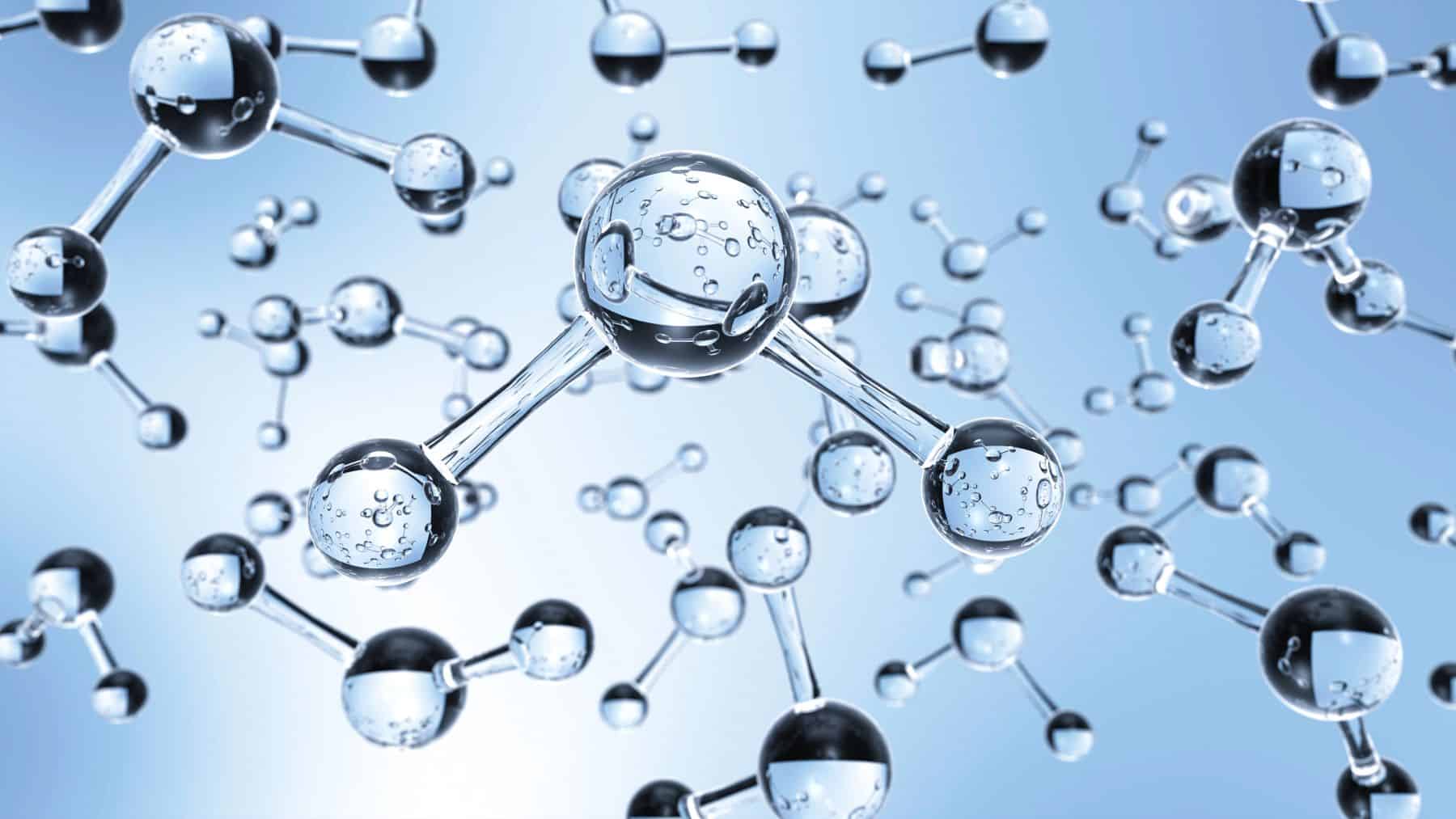
The Hy-5 is an ammonia cracking module that converts ammonia (NH₃) into pure hydrogen (H₂). Unlike traditional electrolyzers, the Hy-5 can operate without any infrastructure. This is a sure advantage, as it does not require the same lengthy approval process associated with renewable installations, such as solar panels and wind farms.
With the Hy-5, the hydrogen produced has a 99.9% purity rating. The Hy-5 system is designed to be a “plug and play” system. On-site hydrogen will be priced at £10 per kilogram, which is rather low, making local hydrogen production a reality for many industries. What the Hy-5 seeks to do is remove the two main challenges in terms of making scalable hydrogen usage a possibility. The challenges removed are those of infrastructure and production cost. The technology behind this hydrogen revolution surely is impressive and a step in the right direction towards a sustainable future powered by hydrogen.
Compact and efficiently designed for a variety of uses
Due to the Hy-5 containerized design, it can be deployed anywhere. All the modules contain integrated cracking, purification, and control systems within a transportable container. The system gets paired with ammonia supply vessels, which takes away the need for power grid access and installations. Industries can be energy independent without incurring any additional financial burdens.
The Hy-5 clearly is a solution that can work for a whole variety of markets, including:
- Hydrogen refueling for buses, trucks, and vans.
- Hydrogen logistics and distribution systems.
- Power generation for off-the-grid fuel cell systems.
- Industrial processes that may require high heat, including steel, cement, and chemical manufacturing.
- Refueling construction and mining equipment.
Since ammonia is globally traded, the role of the Hy-5 provides an instant logistical advantage. Thus, the transition from ammonia to on-site hydrogen seems scalable and globally accessible.
What sets the Hy-5 system apart from other models?
The Hy-5 is a strategic step in AFC Energy’s mission to decarbonize the carbon-intensive industries by allowing for a scalable hydrogen solution. The Hy-5 system lives up to this mission, being a portable, affordable, and pure system. The Hy-5 enables the creation of opportunities across various sectors, including the transportation and maritime industries.
This home generator captures the broader vision for distributed clean energy. The system thrives due to its ability to provide cost-effective hydrogen to anywhere in the world. The Hy-5 can even work in remote regions where access to the grid is not a reality. The Hy-5 is a solution to power communities as well as local industries. In reality, the 500 kg/day of hydrogen at home with the Hy-5 is so impressive that the device makes solar look obsolete.
Hy-5, at the driver’s seat, providing clean energy directions
AFC Energy has come out with this solution at the right time. With governments and corporations favoring net-zero initiatives, low-cost, scalable hydrogen is what the world desperately needs. By eliminating all infrastructure barriers, the Hy-5 could very well be the reason for widespread hydrogen adoption throughout the world.
According to the leaders at AFC Energy, the Hy-5 is not merely a product but a paradigm shift. It is apparent that with the 2026 rollout, 500 kg of hydrogen can be produced daily, and this could transform the way that the world generates and consumes energy. With over 1,000 pounds of hydrogen being generated per day, it could be the end of solar and wind power in the world.