Could there be 575 GW of power hidden in the waves of the Great Lakes, especially during storms? With the focus falling prominently on solar and wind power, wave energy has often been neglected. Thanks to the work done by engineers at the University of Minnesota-Duluth, along with Dr. Craig Hill, wave power is becoming viewed as a source of energy that ought to be captured.
What do researchers at the University of Minnesota wish to achieve?
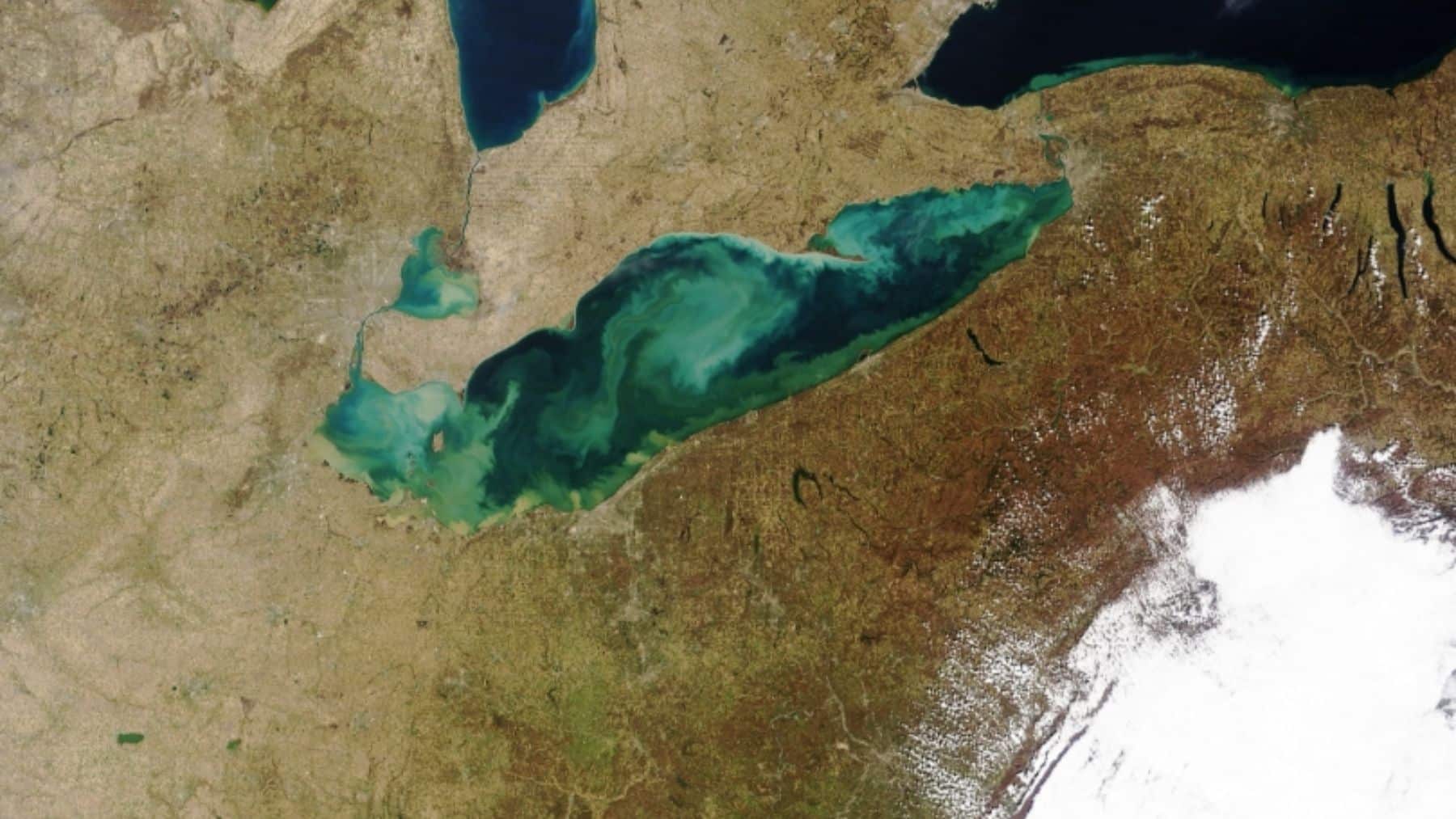
Although the researchers at the University of Minnesota recognize the potential that can be found in oceans around the world, these researchers realize and are focused on the potential of the Minnesota shore along the coastline of Minnesota’s Lake Superior. With the average wavelength being around 2 to 3 meters, it’s clear that this freshwater has hidden power that ought to be considered.
Wave energy research is ongoing by this team, which believes in the potential that freshwater sources offer. With the 575 GW figure in mind, it seems as if the Great Lakes can generate about half of the amount of electricity required by the United States. The main aim would be to capture every bit of energy available in the waves in the Great Lakes. While this proves to be a difficult task, more research may lead to positive views on how this wave energy can be efficiently captured from smaller lakes.
Focusing on Minnesota’s Lake Superior as a potential energy source
We cannot deny that lakes have always been scrutinized as being potential sources of energy, with the focus falling on lakes being converted into colossal power plants for a long time, too. While the Great Lakes cannot provide consistent wave energy like the sea. They are great places to test the potential that wave energy could have.
Dr. Hill stated that due to the big storms that often happen, the research team has been successful at collecting wave data through a network of buoys and computer modeling. The team’s ultimate mission is to design Wave Energy Converters (WECs) that have been adapted to inland conditions.
The focus is on lakes like Lake Superior, as the freshwater condition here allows for far less corrosion than other saltwater environments. Duluth’s marine infrastructure makes it an optimal testing ground and the best place to create prototypes.
While Lake Superior has considerable advantages in terms of testing wave energy, it is rather calm, and thus testing can only reap positive results during some seasons. Mainly during fall and winter, when storms hit, will energy storage be adequately captured? For this, Dr. Hill and the team of researchers have suggested pumped storage hydropower to enable those short-term wave bursts to be turned into a constant energy supply.
What is on the cards for the Great Lakes?
Research is progressing at a rather steady rate, and soon, tapping into the 575 GW potential that appears in the Great Lakes will become a reality. However, establishing fully fledged commercial wave farms on Lake Superior may take a good few years. Nevertheless, a variety of WEC technologies are being looked at and considered as well.
From the realistic side of things, and as has been noted by Dr. Hill, wave energy cannot be seen as the sole answer to electricity issues, nor will it become the core contributor to the electrical grid. Still, researchers find lakes to be a beneficial testing ground for testing devices that can possibly grow the industry globally.
These tinier lakes found in Minnesota cannot generate enough wave power to be seen as a contender to solar power or wind generation, either. At this point, the hope is that as the climate changes and the lakes become more prone to wave action, testing can become more forceful. With greater investments, Minnesota and other coastal communities worldwide can tap into the power generated from wave action.
For more information about this discovery, you can read the full study from the National Renewable Energy Laboratory.
Disclaimer: Our coverage of events affecting companies is purely informative and descriptive. Under no circumstances does it seek to promote an opinion or create a trend, nor can it be taken as investment advice or a recommendation of any kind.