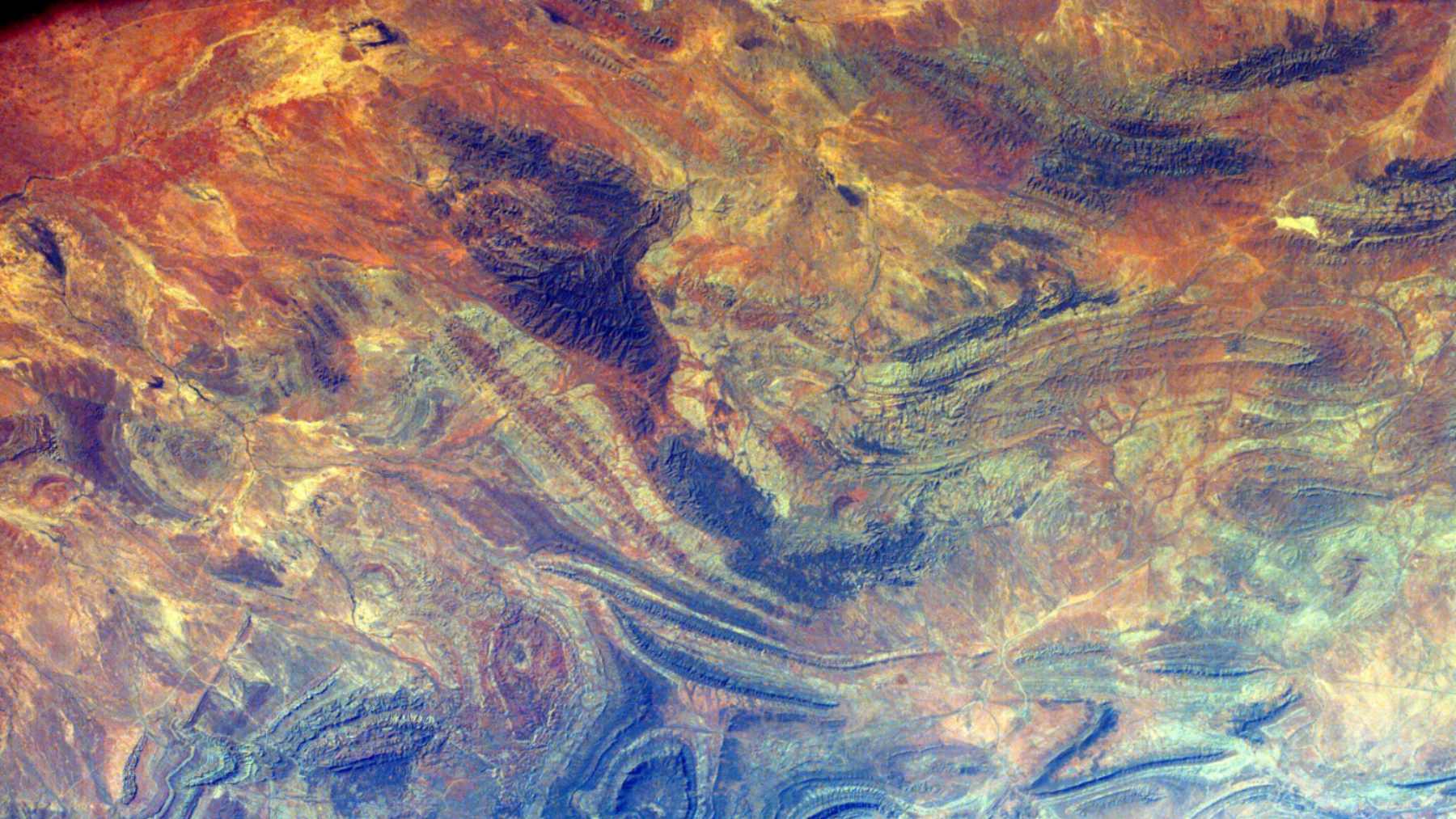
In Western Australia, transformation is happening with a desert disappearing and becoming a source of one of the largest energy projects in the world. The Western Green Energy Hub (WGEH) is looking to combine solar, wind, and green hydrogen technologies at an unprecedented level. With such a bold initiative underway, the future of global energy is well underway as well.
A renewable energy project that is most noteworthy in Australia
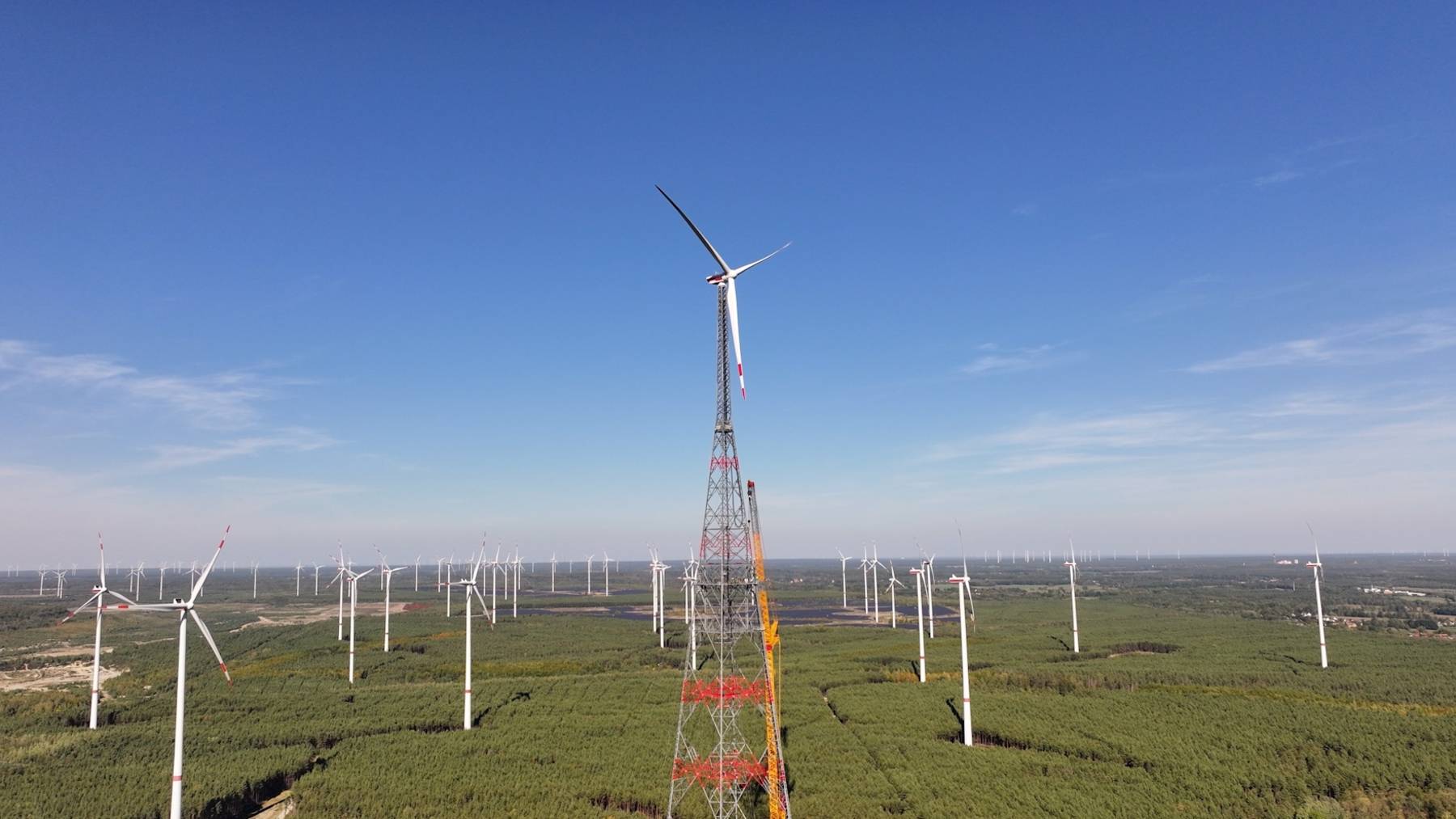
It is the Western Green Energy Hub (WGEH) that is looking to scale up the energy project. Situated on the desert coast of Western Australia is a site that will expand across 22,700 square kilometers. Engineers are planning to install 60 million solar panels and 3,000 wind turbines that produce between 7 MW to 20 MW. WGEH anticipates a combined generation capacity of up to 70 gigawatts (GW).
Other renewable energy projects, such as the Karapinar in Turkey or Urumqi, do not cover enough square kilometers and cannot compare in size to the WGEH’s project.
When full capacity is ensured, the WGEH will generate over 200 terawatt-hours (TWh) of clean electricity every year, which is more than the whole country’s energy consumption but far less than Australia’s own national generation in 2023 (273 TWh). Australia, however, is not stopping there and has more plans on the cards for the country.
Going greener and providing green ammonia to the world
Any surplus energy generated by the WGEH project will be used to create 3,5 million tonnes of green hydrogen yearly, which is of utmost importance in ensuring a clean fuel future. Australia has plans for the export of hydrogen by converting the green hydrogen into green ammonia, which is far easier to transport.
With this idea in mind, Australia will position itself as an exporter of this green ammonia and, in turn, Australia seeks to replace fossil fuel exports with renewable energy exports, ensuring that the country gains a new position in the global economy. Australia will export this green ammonia to Southeast Asian countries such as Singapore, Indonesia, and Japan.
WGEH’s goals are facing certain setbacks and challenges
These goals by the WGEH are not without setbacks. Construction will have over seven phases spread out over a time period of 30 years and will be guided by InterContinental Energy, CWP Global, and Mining Green Energy Limited. At every phase, energy cores of 2–3 GW will be built, gradually scaling up to meet futuristic energy demands.
At this point, the technologies needed for the project do not yet exist on a commercial scale. The number of solar panels needed further poses some challenges for the project. Other concerns include environmental concerns and the land use agreements that require permission from indigenous communities. Despite the challenges and setbacks, Australia persists, as it has always been the country’s dream to teleport hydrogen to Germany, but no one anticipated how Australia would succeed at that.
The desert disappears, but 20,000,000 panels spell the future.
When it comes to the Western Green Energy Hub project, it is far more than a mere clean energy project. When electricity is generated on such a large scale and it gets converted to green ammonia that can be transported beyond borders, a shift in the global energy economy can be seen. Australia is making its mark as the most futuristic place of hydrogen is produced in Australia.
It is not only the prospect of transporting green ammonia beyond Australian borders but the possibility that the grass looker greener for Australia. The country will surely find its footing as the world’s biggest coal and gas exporter, transforming clean energy into what is needed the most and fighting climate change in the process. The WGEH can very well meet the global energy needs.