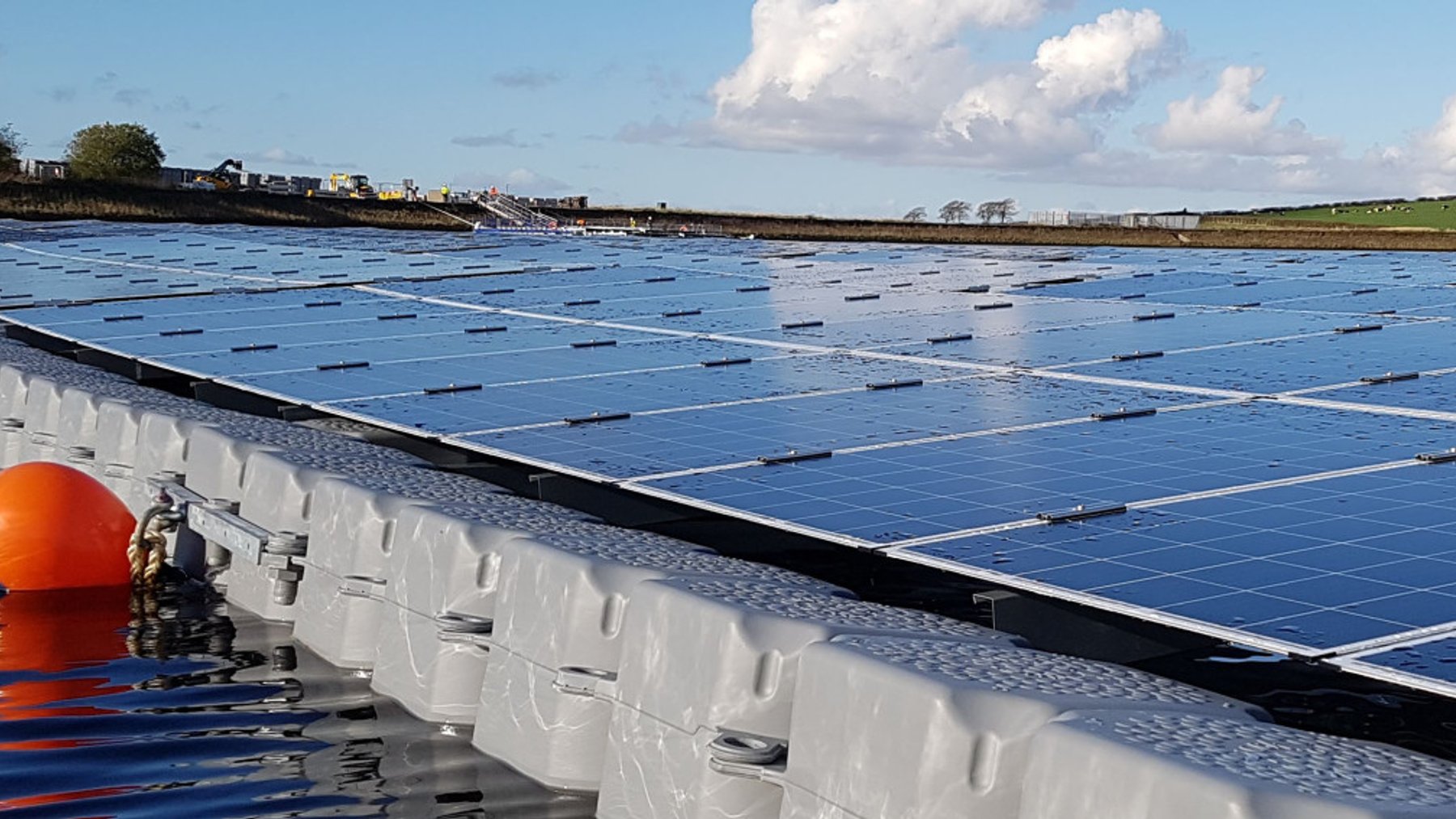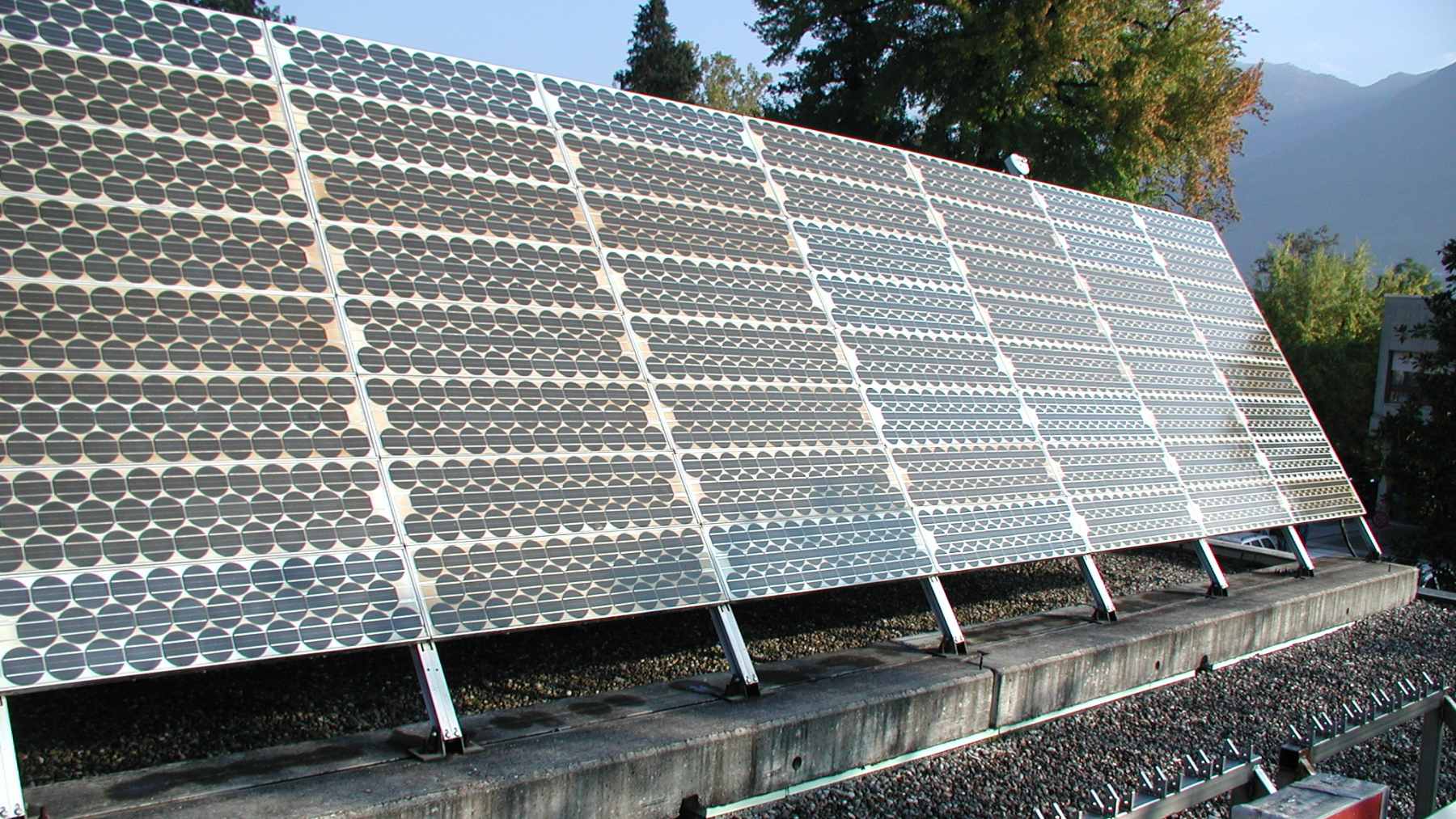
Solar panels are usually sold with a 25- to 30-year lifespan, which makes a lot of homeowners wonder what happens after that. Do they quietly fade out, or can they keep cutting the electric bill long after the warranty ends?
A new analysis of six solar installations in Switzerland suggests the second option is more realistic than many people think. After three decades in the real world, most of the panels still produced more than 80 percent of their original power, which researchers say is a clear signal about what good equipment can deliver.
What the researchers studied in the real world
The work was led by Ebrar Özkalay at the University of Applied Sciences and Arts of Southern Switzerland, using systems installed between 1987 and 1993. The key detail is that the sites used panels from the same general “family,” but they were placed in different locations, from lower valleys to higher elevations with cooler conditions.
Researchers leaned on decades of monitoring data to track how performance changed year by year, then backed that up with lab checks on older modules. In the paper “Three decades, three climates: environmental and material impacts on the long-term reliability of photovoltaic modules,” the team reports an average annual performance drop of about 0.24 percent, which is far below the roughly 0.75 to 1 percent per year often cited in past research summaries.
What “aging” looks like for a solar panel
Solar panels do not “wear out” like a car engine with moving parts. Instead, aging is usually about slow damage to materials, like the clear plastic layers that seal the solar cells, the protective backing, or metal parts that can corrode over time.
The Swiss team found that heat is a big deal. Lower-altitude systems ran much hotter, in some cases up to about 20 degrees Celsius warmer, and that extra heat sped up breakdown in the encapsulant, the clear material that holds the cells in place and keeps moisture out.
That breakdown can create chemicals that contribute to corrosion, which then hurts performance. This is where the “bill of materials,” meaning the exact set of materials used inside a panel, becomes crucial, and it helps explain why panels that look similar from the outside can age very differently.
Why this matters for homeowners and the power grid
If panels can keep producing strong power beyond 30 years, that changes the math for solar as an investment. It can mean more years of savings after the system has already paid for itself, especially when electricity prices spike during that sticky summer heat we all know.
It also matters for planning. Utilities and policymakers often estimate how much clean electricity existing solar fleets will produce in the future, and longer-lasting panels can make those forecasts more reliable, for the most part.
There is also a climate and health angle. The more electricity that comes from solar instead of fossil fuels, the less heat-trapping pollution goes into the air, and the World Health Organization links air pollution exposure to millions of premature deaths each year.
A reality check on what “long-lasting” really means
This study does not say every panel will sail past 30 years with minimal losses. The systems were a small sample, and the results point to conditions that helped, like cooler operating temperatures and more robust materials.
Still, the findings line up with broader long-term tracking work, including past reviews from the U.S. National Renewable Energy Laboratory that show how degradation rates vary widely across technologies and environments.
So what should a typical solar buyer take away? A simple idea: quality and installation choices can matter as much as the brand name on the label, and heat management can be the difference between “fine after 25 years” and “still going strong after 30.”
The main study has been published in EES Solar.