Energy self-consumption has taken a giant step forward by solving one of the main problems that homeowners have. What do you do if your roof is not enough to install solar panels? A group of scientists has developed the first wind fence with which you can produce up to 1000 kWh of electricity, something that we had never seen before and that will leave you in shock.
No more solar panels at home with this new invention: you´ll get almost free electricity
Wind energy can be harnessed by using wind electricity fences; a new idea in electricity production. These are specific structures that utilize wind as a source of energy to generate lights and powers for use at homes or business enterprises.
In contrast with the ordinary wind turbine that needs a large estate for installation, the wind fences are built for urban placement and therefore are suitable for use by residents and companies alike. Wind break is basically a line of tall vertical axis wind turbines that uses energy of the wind to generate electricity.
These turbines are installed linearly on a ‘fence’ as this position enables them capture wind currents which are produced by buildings and other structures within cities and urban centers. This is because when the wind blows it can be captured by these wind fences and consequently used to produce a considerable amount of electricity.
Airiva Wind Tourbines: An idea that will change everything
Airiva Wind Turbines seem conventional in functionality, but designed to look great for your home. These impressive wind turbines present state-of-art design concepts and were developed by a talented artist Joe Doucet (similarly to other inventions we have written about).
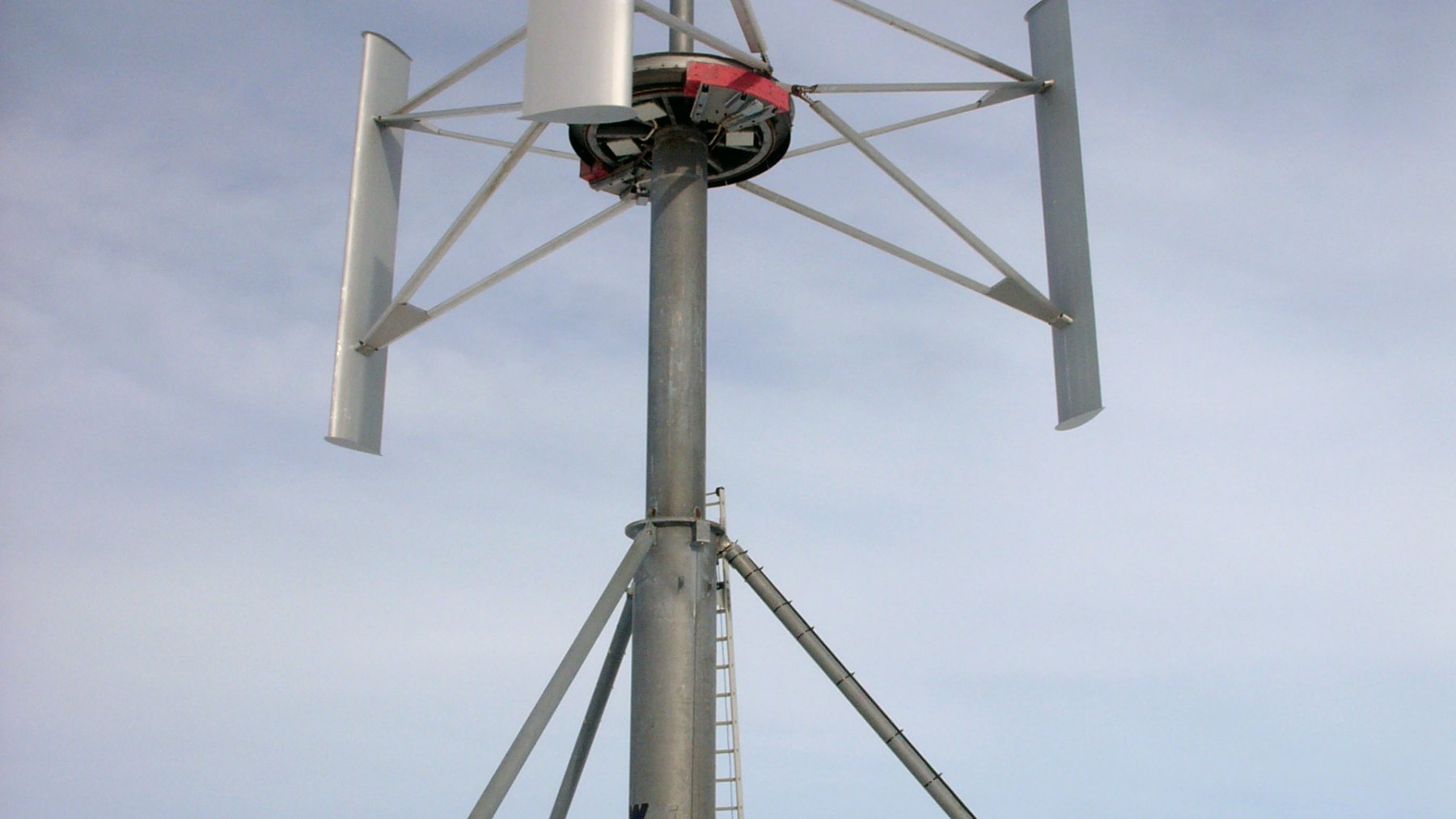
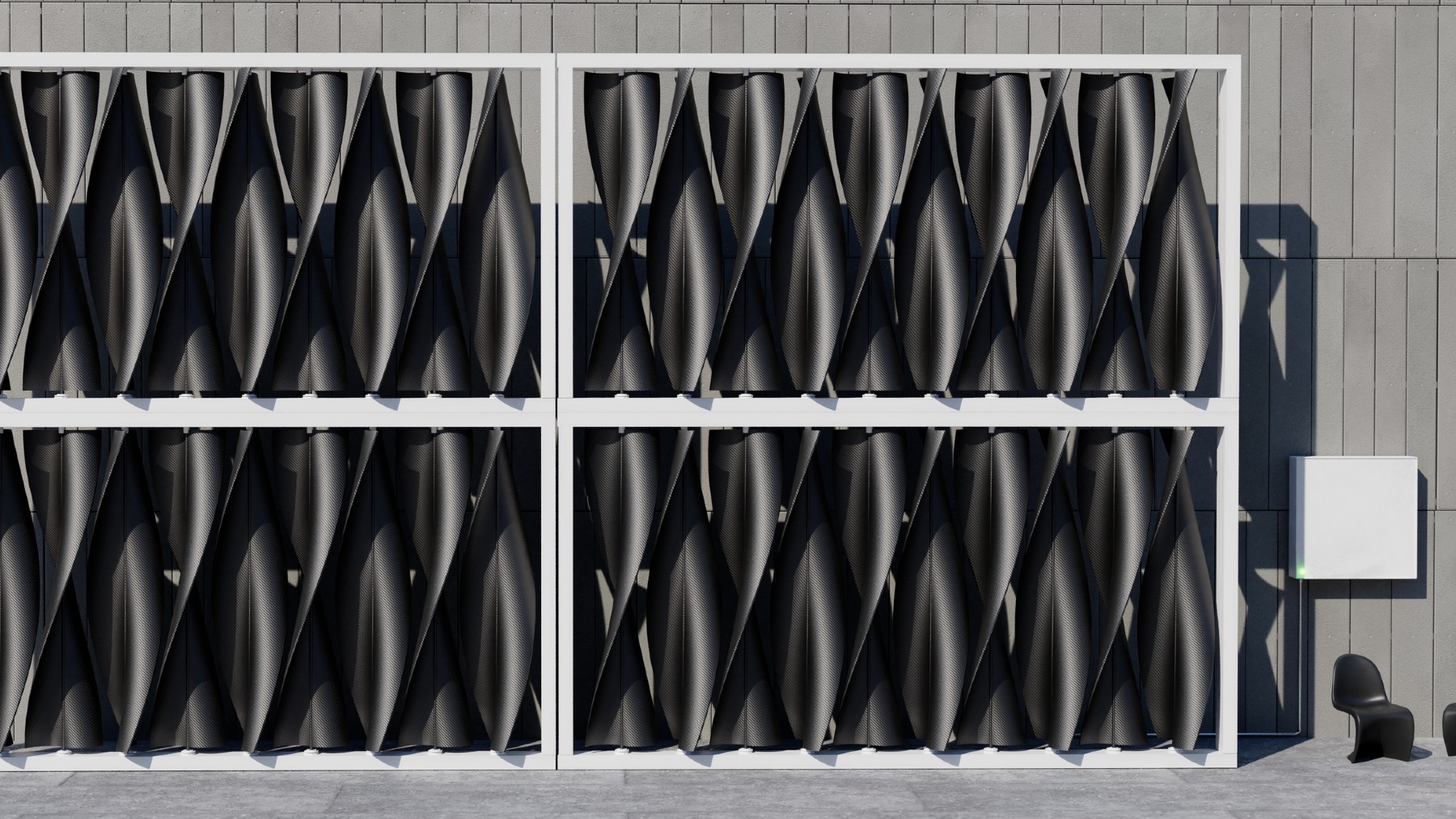
The Airiva Wind Turbines are astounding with their stand-like sculpture-like appeal. Consisting of a row of slender vertical blades in the intriguing cylindrical structure the designed turbines generate graceful, pulsating vortex like movement to capture the force of wind.
Because blades can be manufactured from lightweight but strong materials they are durable, fast-rotating structures that are developed to produce less noise or noise pollution while generating more power. That is why Doucet’s ideas for modification of wind turbines look like far more efficient and organic-looking.
The turbines are slender and with a little formal design that is appropriate for the modern building and they are not just generators for energy but they are provisions that are aesthetic. Hailing from a system of designs and structures that are not only adjustable but also flexible, the Airiva Wind Turbines can be adapted to design.
How does this wind fence work? Goodbye to solar panels forever
The Airiva Wind Fence is a special technology that is installed to help produce electricity using power from winds on a commercial scale. Approximately, at the centre of this design are wind electric generators which are fixed vertically, and ensure the kinetic sculpture like features.
These turbines are essentially positioned in such a way that they form structures that resemble a fence so that they can take energy from wind from various directions. The aesthetic of each of the turbines consists of a tubular, slim-shaped structure resting on a foundation, with multiple, slender blades set perpendicular.
As wind blows through or across the fence, the blades’ spokes turn, generating electricity by harnessing the kinetic energy from the wind utilizing an inbuilt generator. There are some advantages of the Airiva turbines over the horizontal axis ones, and the chief of them is it has the vertical axis of rotation.
First is that they are nondirectional whereas rotor blades must turn in the direction of the wind flow and thus requires complex yaw mechanisms. This makes them well suited for operation in urban and residential settings where turbulence can be more and wind direction can be uncertain.
Imagine how your home could change with a wind fence that produces electricity almost 24 hours a day. It is precisely its ability to operate with low-speed winds that makes it different from the turbines we have seen on other occasions. It is clear that not all self-consumption will be with solar panels, but did you doubt it at this point? We don’t.